Tag Archives: opportunity

Someone set fire to the playground matting at G.H. Reid Elementary School last summer. The fire spread around the equipment, melting and disfiguring most of it, and leaving the 750 Richmond, Virginia public school children with few options for outdoor play.

But when bad things happen, good people often start showing up to help. Hundreds of volunteers from various Richmond organizations, including Children Incorporated, stepped up to help out last November.

But when bad things happen, good people often start showing up to help.

Together, they rebuilt the playground in just one day.

Community support

Renée Kube, director of U.S. Programs for Children Incorporated, explained that the project was led by KaBoom, a national nonprofit that builds playgrounds, especially in low-income areas.

“We had been told by our volunteer coordinator at the school that funding had been secured from KaBoom,” she said. “But KaBoom requires community buy-in — additional community funding and also hands-on help — so what they really needed from us was warm bodies to come and work all day.”

They also needed maintenance funding, and Children Incorporated pledged to provide that as well.

A one-of-a-kind design

But it was the children who designed the playground, which was based on ideas and drawings submitted by students at the school. Because the children created their own ideas and voted on what they wanted, the Reid Elementary School playground is one-of-a-kind.

img_9088

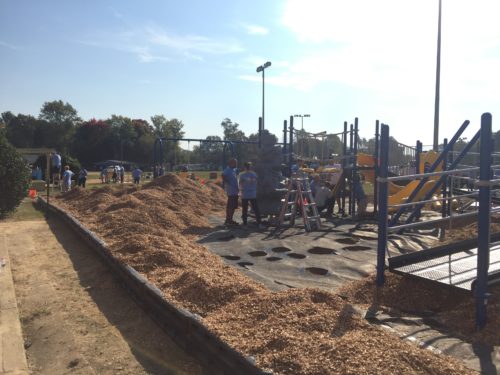
The playground under construction

The CarMax Foundation and KaBoom put in most of the upfront money and materials, and on November 3rd, Kube turned up to work, along with her Children Incorporated co-workers, Shelley Oxenham, U.S. Programs Specialist, and Chuck Smith, U.S. Sponsorship Manager.

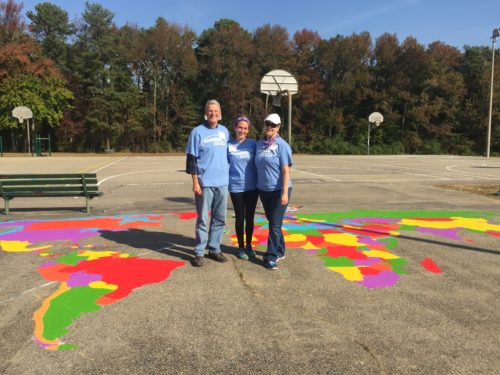
They were among about 250 volunteers who built the playground from the ground up in just one day. One of the jobs Kube, Oxenham, and Smith were tasked with was painting maps and game boards onto the playground surface.

A global concern

They painted maps of the United States and of the world, a hopscotch board, and other game lines on the blacktop. Fortunately, Kube said, they didn’t have to be experts on global geography in order to get the maps down.

“KaBoom sent people out the day before to plan out where things would go,” she said. “They decided where to put the monkey bars and swings, and they drew out the outline of the maps for us.”

When the work team arrived on November 3rd, they painted the maps, after some redesign.

“One of the volunteers looked at the map of the world and said, ‘That’s not right,’” Kube recounted. “He was Dutch, and he said that part was wrong – so we said, ‘Okay, you’re in charge of Scandinavia.’”

They also needed maintenance funding, and Children Incorporated pledged to provide that as well.

An enthusiastic audience

In addition to the playground, the team built a swing set, a giant Connect 4 board, and a trellis with a bench and cubbies. They also painted the maps and blacktop games, and repainted the lines on the basketball court. They cleared out a garden area, and removed trash and debris from the site.

While the volunteers worked, the children tried – mostly without success – to concentrate in their classes.

“It was tremendously exciting,” Kube said. “The kids were peeking out the windows to watch it going up, and at the end of the day, they were leaning out of the school buses, looking at this new equipment so longingly.”

“They had to wait several days for the concrete to set before they could use their new playground, but since then, it’s been well-used and appreciated,” Kube said.

Ongoing maintenance

Our staff members Renée, Shelley and Chuck

The heavy use the playground will get is one of the things Children Incorporated has pledged to keep up with. With 750 children running across its surfaces every day, the paint won’t hold up forever – and neither will the mulch spread around it.

Children Incorporated will provide funding to repaint and re-mulch the playground as needed – and they may even provide the manpower, too, Kube said.

“We just built it in November, so maintenance is not an issue yet,” she said. “They’ll look at it at the end of the school year and see what needs to be done. We will definitely be providing funding for mulch and maintenance – and, if needed, we’ll be doing the work ourselves.”

Other community groups may put in the physical labor too, Kube said. One church in the area said they couldn’t raise maintenance funds but could provide volunteers to help spread mulch once Children Incorporated purchases it. The paint job may go the same way.

“We want to keep it attractive, and we want to keep it safe,” Kube said.

***

HOW DO I SPONSOR A CHILD IN Richmond?

You can sponsor a child in Richmond, Virginia by calling our office and speaking with one of our sponsorship specialists at 1-800-538-5381 or by emailing us at sponsorship@childrenincorporated.org.

SPONSOR A CHILD

It’s hard to imagine a lack of food in the nation’s capital — but there is one.

A “food desert” is a place where fresh fruit and vegetables can’t be purchased, and Washington, D.C. is just such a place. Large parts of the city — specifically the poorer — don’t have grocery stores. Instead, they have corner markets where one can purchase snacks and some canned goods, but not nutritious whole foods.

“On average, we have between sixty and 100 families that attend our monthly market,” she said. “Many of our families have a lot of people living in the household, so one limitation of our particular market is that we cannot give out food in accordance to the number of people living in the home.”

“If families have transportation barriers or illnesses, or mobility problems or other barriers to getting out of their neighborhoods, what they’re limited to is these little corner stores,” said Renée Kube, Director of U.S. Programs for Children Incorporated. “For thousands of families in the city, fresh fruits and vegetables just can’t be found.”

Except at school.

Lucy Ellen Moten Elementary School is located in Ward 8 – one of D.C.’s poorest areas. But families there are getting fresh produce each month through the Joyful Market, a partnership program between Children Incorporated and local nonprofit, Martha’s Table.

Free Shopping

Florangel Cuesta-Smith, our volunteer coordinator at Lucy Ellen Moten, said the program serves about 150 families a month in a school of about 430 students.

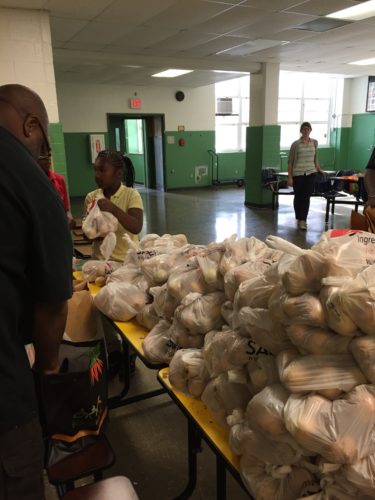
Once a month, volunteers set up a market of fresh fruit and vegetables inside the school. Families — or the children — can come shop for their own produce, picking out the items they want.

Everything is free, and each family is allotted a certain portion based on the number of people in them. In many cases, parents or caregivers can’t attend, so the children can do the shopping for themselves with help from volunteers.

“Because the school offers a pre-K program, children as young as three often participate on their own,” said Cuesta-Smith.

Students “shop” for fresh produce to take home

“I pre-package the produce for the littlest ones so it’s not too much for them to carry,” she said. “They take it out with them to parent-pickup at the end of the day.”

“While some children do the shopping alone, in other cases, parents or guardians help with the operation,” Kubée said.

“It’s been very appreciated, and it’s also increased parent engagement, because parents are volunteering to come in and do set-up or clean-up,” she said. “That’s a big deal for a school that’s struggling to have a viable PTA.”

“That involvement has had positive repercussions for the school as a whole as well,” Kubée said. Parents have been telling school officials that before, the only interaction they ever had with the school was when their children were in trouble. Now, they’re working with teachers and officials in happier situations, forming bonds between the school and the families it serves.

Learning to Cook

Another reason for parent involvement at the Joyful Market is the guest chef.

Each month, Martha’s Table brings in a guest chef who prepares a healthy snack or meal using the items featured in the market.

Shoppers can try out banana apple smoothies or bean soup, or they can learn how to prepare and cook a butternut squash.

“The kids love that,” said Cuesta-Smith. “And the chef hands out recipes they can take home with them.”

“Allowing kids to try the food first, and letting adults see how easy it is to prepare has been a good way to encourage healthy eating,” Kubée added.

“‘You, too can try eggplant and love it!’ is an idea that resonates if the kids actually get a chance to try it first,” she said.

Portion Control

Nearby Hart Middle School also has a successful Joyful Market program, and coordinator Ashely Lyles, said they’re hoping for more funding to expand its portions.

“On average, we have between sixty and 100 families that attend our monthly market,” she said. “Many of our families have a lot of people living in the household, so one limitation of our particular market is that we cannot give out food in accordance to the number of people living in the home.”

“Currently,” she added, “a family of ten gets the same portions as a family of five, and that’s an issue they could fix with more money as the market grows in popularity. It would be great to be able to provide extra food for the families with lots of folks living in the home,” she said.

But the Joyful Market hasn’t worked everywhere, so Children Incorporated and local volunteer coordinators have branched out with alternative ideas.

“We all know intuitively that children who are hungry when they go to school cannot do their best work while in class,” Kubée said. “Relieving hunger is a vital part of our kids’ ability to develop, grow, learn, and thrive.”

Digging in the Dirt

On the other side of D.C., in Ward 1, the Cardozo Education Campus is a combined middle and high school where Children Incorporated helped create a school garden after the market didn’t work.

One of the problems was that many of the students there are homeless or live in shelters. “Because they can’t cook or prepare food in the shelters, take-home shopping bags full of squash or zucchini didn’t work well for them,” Kubée said.

So volunteers nixed the market, and instead built a school garden.

“When the kids grew their own fresh Roma tomatoes, they were more likely to eat them — especially when they could add basil and oregano that they’ve grown, and put the tomatoes and herbs on a pizza,” she said.

The garden is also being used by the science teachers, so kids get biology lessons from it as well.

“After you try new foods, you and your science teacher can take them apart and dissect them,” she said, noting that they use vegetables to learn about cell structure and functions. “It’s great hands-on learning.”

Across the Country

The school garden is an alternative that Children Incorporated has been using in rural food deserts as well. At the Saint Michaels Association for Special Education in Arizona, the school has built a handicap-accessible garden with paths and plant beds built for easy access by students in wheelchairs.

It’s all part of an overall plan to reduce food deserts and food insecurity nationwide.

“We all know intuitively that children who are hungry when they go to school cannot do their best work while in class,” Kubée said. “Relieving hunger is a vital part of our kids’ ability to develop, grow, learn, and thrive.”

***

HOW DO I SPONSOR A CHILD IN Washington, D.C.?

You can sponsor a child in D.C. in one of two ways – call our office and speak with one of our sponsorship specialists at 1-800-538-5381, or email us at sponsorship@children-inc.org.

SPONSOR A CHILD

For most children, winter is a time of joy as they wait hopefully for snowfall and deep freezes. For those without warm clothes, however, winter is a season of cold and hardship.

That’s a problem volunteers and donors at Children Incorporated have been working to fix for almost 25 years.

Children Incorporated’s Warm Clothing Fund raised $35,000 this year to provide coats, gloves, boots, and other warm clothes to children in need. More than 3,500 children around the United States received items this year, each specifically selected for their own individual needs.

They include children who don’t have sponsors and children whose needs exceed their sponsorship.

“In most cases, we’ve found that the sponsorship funds are stretched to the limit,” said Steve Mitchell, Children Incorporated’s Sponsorship Manager. “Clothes, food, school supplies, and hygiene items – even for our sponsored children, sometimes it’s just not enough. And unfortunately, there aren’t enough sponsors for every child who needs help.”

So where sponsorship leaves off, the Warm Clothing Fund picks up. Any child in need, whether sponsored or not, can get brand-new winter clothing, purchased specifically for them, through the fund.

The fund focuses primarily on the Appalachian Region of Kentucky and West Virginia, the Navajo Reservation in the Midwest, and inner-city areas of urban centers like Detroit, but it includes other communities around the country as well. Children Incorporated also spreads the warmth in its own backyard, providing winter clothing for students in Richmond City Public Schools in Virginia.

“Clothes, food, schools supplies, and hygiene items – even for our sponsored children, sometimes it’s just not enough. And unfortunately, there aren’t enough sponsors for every child who needs help.”

Coming in from the cold

The children’s parents sometimes request help – but usually teachers see the need before anyone even asks. When that happens, the teacher talks to our volunteer coordinator at the school. Volunteer coordinators are school employees, such as guidance counselors or resource coordinators, who work with nonprofits like Children Incorporated to get help for individual children.

“In many cases, the coordinator may meet with the family to talk about the child’s clothing needs,” Mitchell said. “Sometimes the coordinator gets to take the child out shopping to pick out their own items. It’s not always possible, but when they can – talk about making a child’s day!”

In other cases, the coordinator selects and purchases shoes, gloves, a coat or a scarf – sometimes all of them – and gives them to the child. The items are always new, and are individually selected for each child, based on their needs.

New shoes – for the first time

Jefferey Jackson, the coordinator at Blackwell Elementary School in Richmond, told the story of a child who was sent to his office with shoes a size-and-a-half too small. He called Mitchell at Children Incorporated, and Mitchell told him to use Warm Clothing Fund money to buy the boy a new pair of shoes in his size.

“This young man was extremely pleased when presented with his new shoes. He accepted them with a pledge to always keep them tied properly,” Jackson said. “Not long after our exchange, he returned to my office with a letter of gratitude. In this letter, spotted with tears, he confessed that this was the first time that he has had a brand new pair of shoes that were not handed down from another source.”

Zero degrees at the bus stop

In the colder parts of the country, the need becomes even more acute.

Debbie Fluty, assistant coordinator at Sheldon Clark High School in Kentucky, said the Warm Clothing Fund provides boots, coats, and socks for students in life-threatening cold.

“Some have to walk out of mountain hollows to catch the bus because buses cannot get to them. They have to stand in zero degree weather at the bus stops,” she said.

And many parents won’t send their children out into the cold without proper clothes, so when the temperature drops, students don’t come to school at all, said Mary Valenza, coordinator at Oak Grove-Bellemeade Elementary School in Richmond.

dscf4461

Children Incorporated works to help as many children as we can by providing warm clothing during cold winter months.

We know that chronic absences lead to poor grades, and poor grades often result in a student being retained,” she said, noting that having a reliable source for coats, hats, gloves, and scarves has made a difference in attendance.

Problem solvers

“The Warm Clothing Fund has been successfully solving that problem for more than two decades, because it’s the kind of situation that really resonates with Children Incorporated donors,” said Mitchell.

“There’s an immediate remedy,” he said, explaining why the fund has been so successful for so long. “A child is cold – they need a coat. It’s something they can wrap their minds around. They think, ‘I can do this.’”

“They can also see the results for themselves”, he said,” since volunteer coordinators send pictures of children showing off their new winter clothing. And since a child’s coat is affordable for most donors, it’s a clear, easy, commitment-free way they can solve a problem quickly.”

“The volunteer coordinators are the ones who know the children best, and who know what each one needs the most- what we provide just depends on the needs of the children,” Mitchell said. “We’re just here to help as best as we can.”

***

How can I donate to the Warm Clothing Fund?

You can donate by calling our office and speaking with one of our sponsorship specialists at 1-800-538-5381 or by emailing us at sponsorship@children-inc.org. Also, you can make a donation through our donation portal online.

It’s not every day that a small nonprofit—even one that’s been around as long as Children Incorporated—finds out that they’re receiving a donation of $1.75 million.

7-emmelena-ky-070915

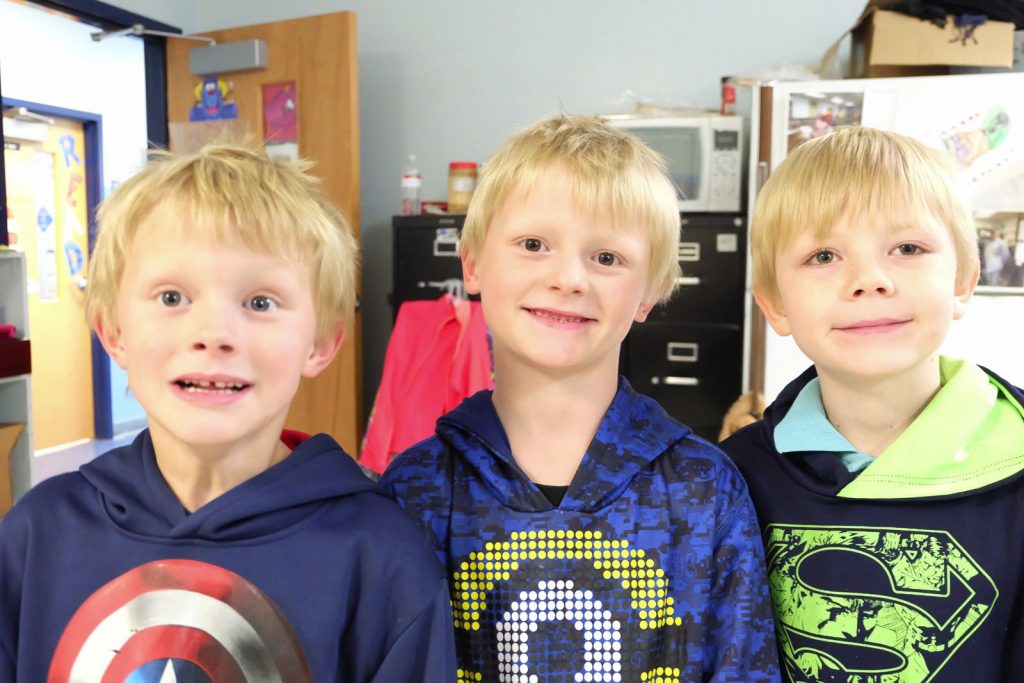
Thousands of children will benefit from Mr. Foy’s donation.

I suppose that’s why I remember the day so well. We had been saddened in 2015 to hear of the death of Mr. Glenn Foy, an engineering innovator and adventurous spirit who had passed away at such a young age — just  59 years old — in a private plane accident. I had spoken to him only once, a few months before his death, and remembered him as a kind soul, committed to what we do, and a regular sponsor over the last decade. It wasn’t unusual for Children Incorporated to receive a bequest, although most tend to come from sponsors who have a much longer history with our organization.

Mr. Foy’s law firm informed us that we’d be receiving 28 percent of his estate to help children however we saw fit, which certainly made my eyes widen. It seemed like a large percentage for such a relatively recent donor.

The magnitude of Mr. Foy’s generosity has allowed us to go to new places, accomplish much, and impact the lives of not just children in need, but their families, their communities, and in some cases, generations to come.

But on the day we learned how that 28 percent translated into real dollars — 1.75 million of them to be exact— I was struck truly speechless.

Glenn Foy was an adventure-seeker, a cycling enthusiast, an aviator, a lover of life. His annual contributions impacted the lives of eight children over several years, but he was quietly generous, preferring not to receive attention for his philanthropy. His supportive family, I hope, will indulge me the attention I want to give to him now.

The magnitude of Mr. Foy’s generosity has allowed us to go to new places, accomplish much, and impact the lives of not just children in need, but also their families, their communities, and in some cases, generations to come.

Our Hope In Action Fund is, essentially, money set aside to use in tackling an ever-growing list of programs to support, centers to build or improve, and projects to get off the ground. We chip away at it, sometimes even making great strides; but this year, we turned so much of that hope into impactful, measurable action.

Glenn Foy’s Legacy in Action

Pinagpala Center, Philippines

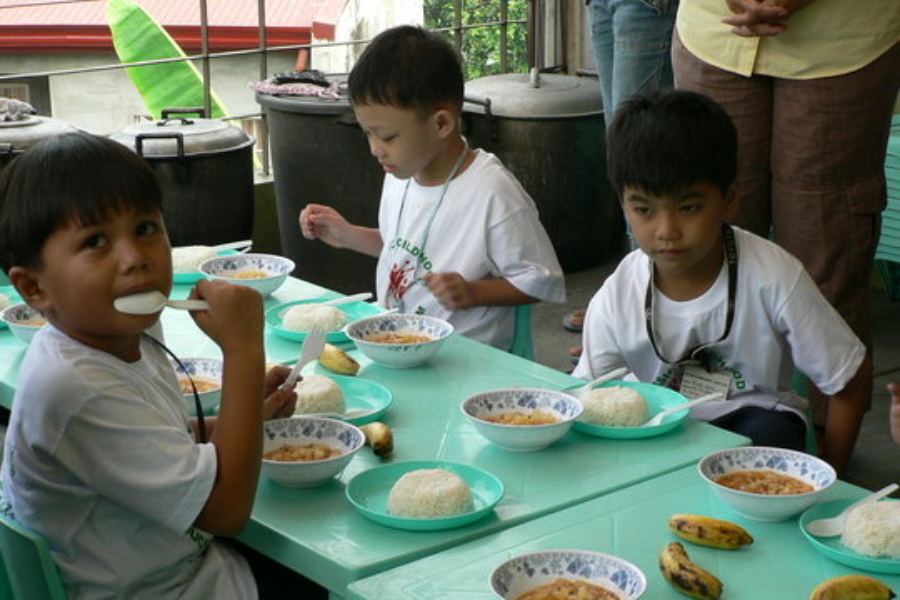
Because of Mr. Foy’s gift, we were able to construct a two-classroom daycare center in Tagaytay City, Philippines. Mothers in this struggling area now have a safe place to leave their children as they seek employment or go to work. Every day, you can find children learning and playing at Pinagpala Center, which also provides a nourishing feeding program to improve the health of each child.

Marching Band and Classrooms at Juan Apostol, Guatemala

img_0249

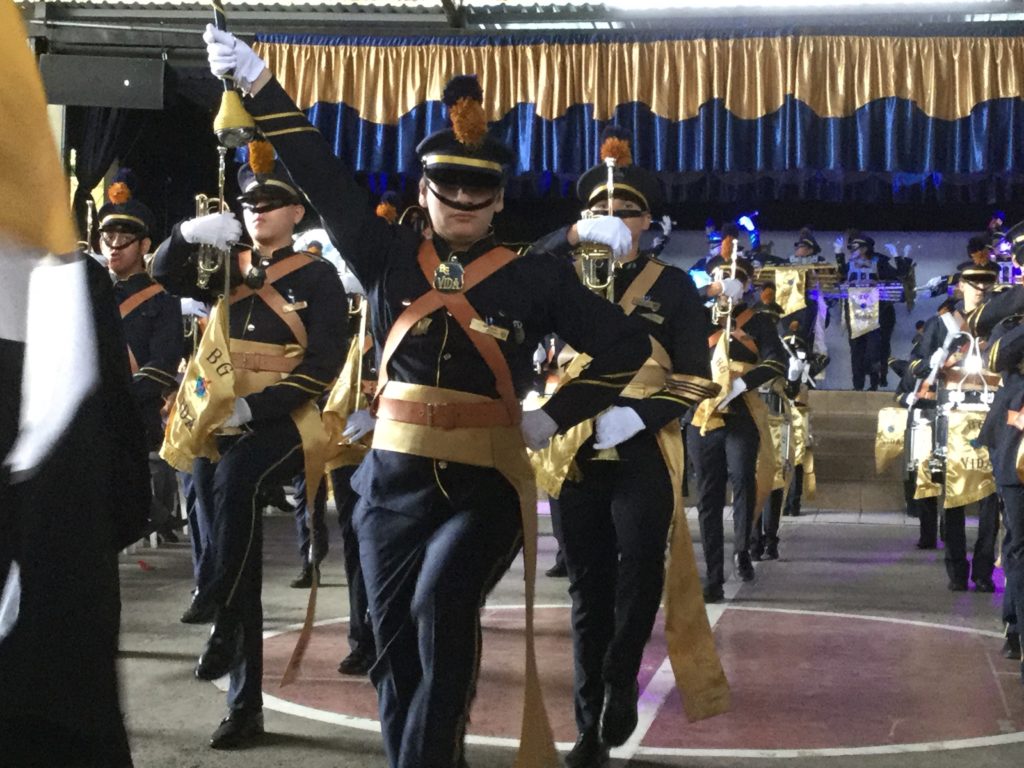
Children in Guatemala will benefit from new musical instruments.

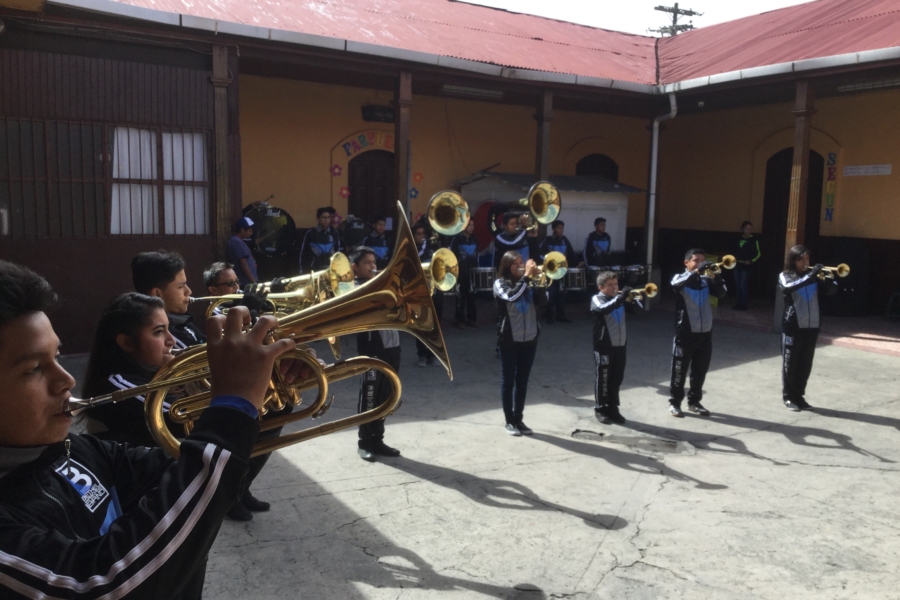
School and community leaders in Guatemala City have come up with a unique way to encourage student participation in school—the Juan Apostol Marching Band. This band’s talents have become known throughout the country, and playing in the band has become the goal for so many students, which, in turn, encourages students to apply themselves academically (you have to show an “A” grade average before you are eligible to participate; Mr. Foy’s gift allowed us to purchase instruments for the band). At the same school, we also built two new classrooms.

Fruit and Vegetable Garden Program, Ethiopia

Multiple generations will benefit from the produce-bearing garden at Kids Hope–Ethiopia. The community surrounding the center is desperate for agricultural knowledge and supplies. Not only will this garden provide food for the children who attend Kids Hope, but it will also serve as a learning experience for the community.

Biofuel Plant, Kenya

This year, we were able to build a biofuel plant at Maria Immaculata school in Nairobi. Biofuel means energy taken from burning the gases emitted from organic matter – in this case, cow manure. It sounds unpalatable, but these enterprising Sisters figured out a way to keep their costs lowered and introduce more sustainable solutions. And we were there to help.

Dandora Medical Clinic, Kenya

The Dandora Community Center holds a special place in our hearts, and renovating their medical clinic helped the center make huge gains in Nairobi. Attendance is booming, which means healthier children and healthier families. Healthy kids spend more time in school, which leads to better-educated generations, which leads to a brighter future for the whole community.

Water Purification Plant, Kenya

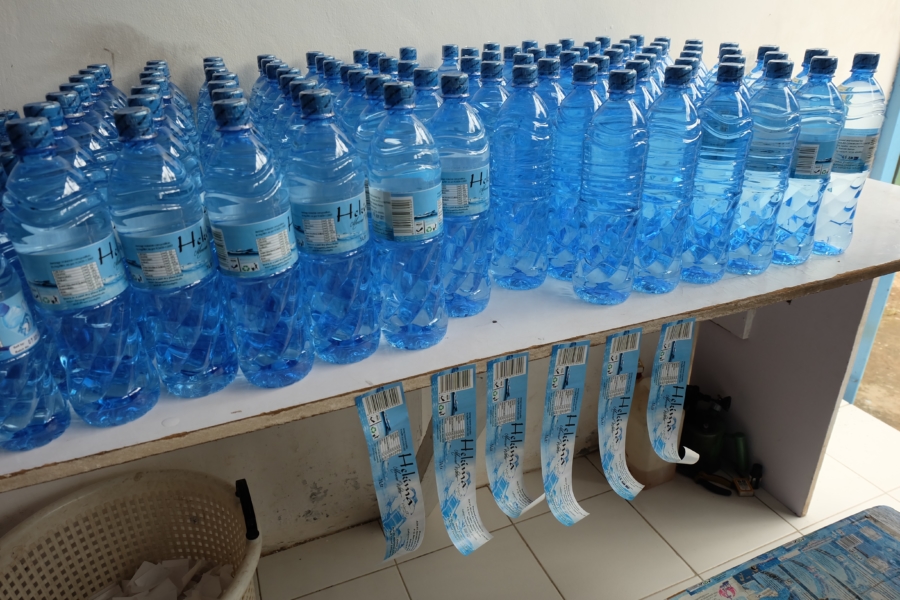
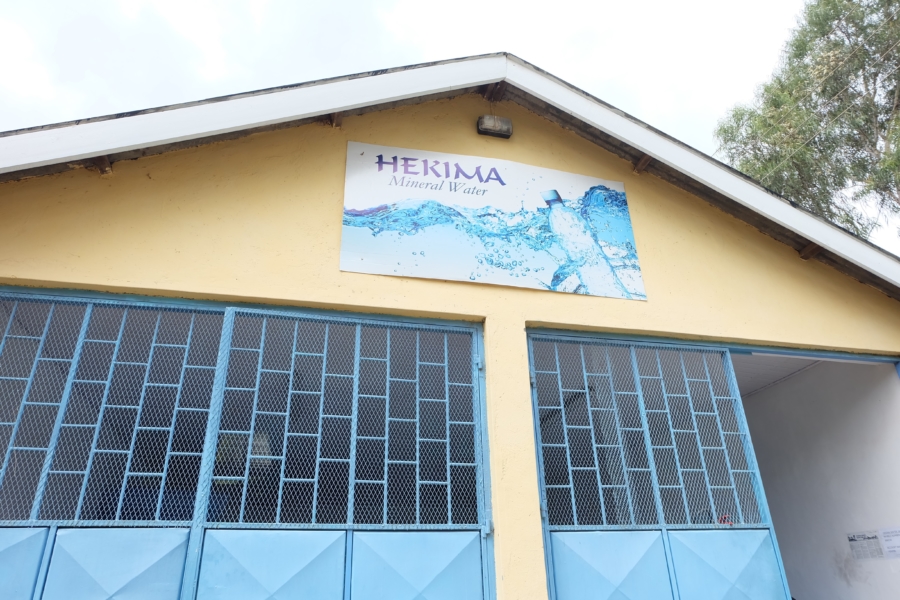
At St. Nicholas School in Msamaria, Mr. Foy’s gift allowed us to move forward with plans to repair a water purification plant. The school’s commitment to self-sustainability keeps costs low while teaching children valuable life skills.

Student Attendance Program, Kentucky

DSCF7254

Students in Kentucky will benefit from Mr. Foy’s donation.

At Martha Jane Potter Elementary School, one volunteer coordinator hit upon an idea for a motivational program that would help encourage attendance. Until that point, attendance had been sporadic at best, particularly during standardized testing. We funded the program, the experiment worked, and we expect the school to try it again next year.

College/Career Awareness Program, Kentucky

Rural Kentucky has a tough time in their struggle with poverty, and we find a lot of the same problems in our country’s rural poor areas as we do abroad. Children without resources, struggling their best to survive, when just orienting them towards other futures often makes a lasting impact. We helped a coordinator at Carr Creek Elementary School establish a program that exposes children to various careers, takes them on tours of community colleges, and even helps their parents with career readiness.

After-School Program, New Orleans

The Encore Academy wanted a way to increase its students’ academic success and social and emotional well-being, and they found it through homework assistance and enrichment activities including computer coding and expressive writing. We proudly funded this program, which also includes gifts of clothing-and now thirty participants are benefiting from it. Gifts of books for the school library extend the program’s impact to the entire student body.

Disaster Relief, Baton Rouge

We’d planned to work on a project at Friendship Capitol Academy, but when the floods struck this summer, we shifted our focus to disaster relief. Approximately forty children in grades nine through twelve received practical assistance (clothing, food, cleaning supplies, and hygiene items), as well as support, comfort, and motivation to attend school, despite the upheaval of the world that surrounds them.

Kindergarten “Boys Club,” Washington, D.C.

At Lucy Ellen Moten School, a coordinator noticed that kindergarten-aged boys were having trouble adjusting to the routine and the structure of a school day. What’s more, they tended to take their overwhelming feelings out by pushing, hitting, or biting. Early intervention was identified as the key to helping these boys express themselves more healthily.

Making your Own Legacy

Glenn Foy had never seen our Hope In Action Fund list, yet he chose to leave such a substantial amount to an organization he believed in. Why? How could he have known what an impact his gift would make?

We may never know the answer, but I’d guess that it’s because Mr. Foy witnessed the power of much smaller sums. And I’d guess this because I hear it from our sponsors all the time. They love how connected they feel with their sponsored children, and they know they can trust us to address specific and individualized needs for each and every child. It’s that relationship that keeps our donors engaged for lifetimes (there really is a rather extraordinary number of sponsors who have been with us since Children Incorporated began in 1964!).

They love how connected they feel with a child, and they know they can trust us to address specific and individualized needs for that child.

This year, we’ve launched our On the Road series to show the impact of your contributions to the lives of the children we serve around the world. The dispatches are often inspiring; other times, they convey the honest exhaustion and discouragement that come from the burden of poverty. But time and time again, they always find hope.

In this season of gratitude, we urge you to take a few minutes to think about your legacy. Do you have a plan to make what you’ve earned throughout your life count long after you’re gone?

Whether you make arrangements to have the children you sponsor supported until adulthood or whether you’re more interested in donating a lump sum to support our chosen programs the way Glenn Foy did—no gesture goes unnoticed and no effort goes unused.

We approach each new year with hope. In 2016, we were able to turn an unprecedented amount of hope into action. One man’s decision made that possible for children in so many countries around the world. At every level, we’re counting on the continuing generosity of all of our sponsors and donors to keep that momentum going in the years ahead.

***

HOW DO I SPONSOR A CHILD THROUGH CHILDREN INCORPORATED?

You can sponsor a child with Children Incorporated in one of three ways – call our office at 1-800-538-5381 and speak with one of our staff members, email us at sponsorship@children-inc.org, or go online to our donation portal, create an account, and search for a child that is available for sponsorship.
SPONSOR A CHILD

written by Children Incorporated

We provide children living in poverty with education, hope and opportunity so they have the chance for a brighter future. Thanks to past and current supporters around the globe, we work with 225 affiliated sites in 20 countries to offer basic needs, emergency relief, and community support to thousands of children and their families each year.

» more of Children's stories

Let’s get right to it: We would be nowhere without your support. Sponsors make it possible for Children Incorporated to help hundreds of thousands of children around the globe rise above poverty.

Kids like Abel, the tenth grader that I and Luis Bourdet visited last June in Ethiopia, depend on sponsors for supplies and flourish because they know someone out there cares about them. Abel is in the top five of his class!

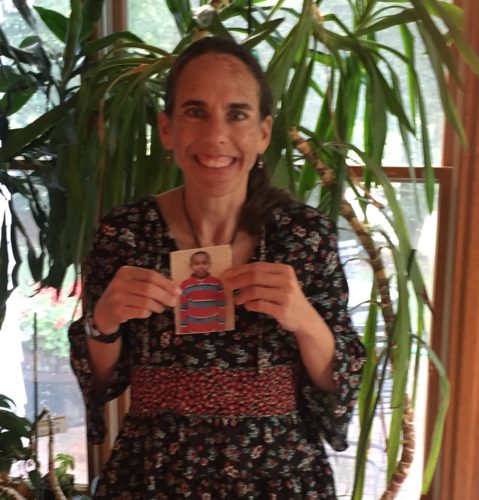
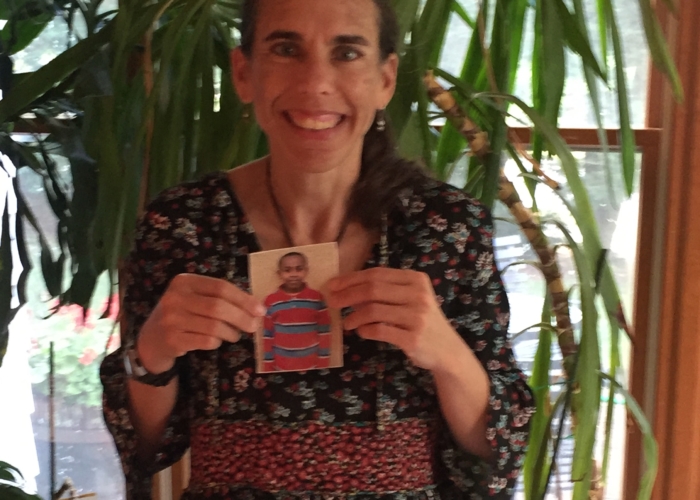
Sabrina holding a picture of Abel

We contacted Abel’s longtime sponsor, Sabrina Timperman, about her connection to Children Incorporated and her relationship with this rising star. Timperman is a veterinarian and lives in Manhasset, NY.

Q and A with Children Incorporated

CI: Why did you get involved with Children Incorporated?

ST: When I was a little kid, I remember watching commercials on Saturday mornings about sponsoring a child. I’d always tell my mom I really wanted to sponsor a child, but we never did. Still, the commercials stuck with me. I decided as soon as I was able, I would do it- and I did. I signed up in 2007 when Abel was very young. I always wanted children but never had any myself. Instead, I saw an opportunity to help a child in need.

CI: Did you specify specific characteristics of the child you wanted to sponsor (age, gender, country) or was Abel assigned to you without specifications?

ST: I was assigned Abel at random. I searched online for Children Incorporated and signed right up. I’ve never looked back.

I searched online for Children Incorporated and signed right up. I’ve never looked back.

CI: It’s been almost ten years-what have you learned about Abel?

ST: Abel is 16 and in the tenth grade. He loves math and wants to be an engineer someday. He’s very smart and could go far if given the opportunity. He lives with his sister and mother in a government-owned house in the slums that costs about $35 a month to rent. His mother supports the family by selling small, plastic housewares and dishes on the street.

CI: What do you know about the slum where Abel lives?

ST: Someone in his family is sick, and I know that some of the things that I send are making a big difference. I hope it helps him survive in a world that is very harsh. They don’t have a lot.  The money is providing him with food, clothes, books, and school.

CI: Do you communicate with him directly?

img_2726

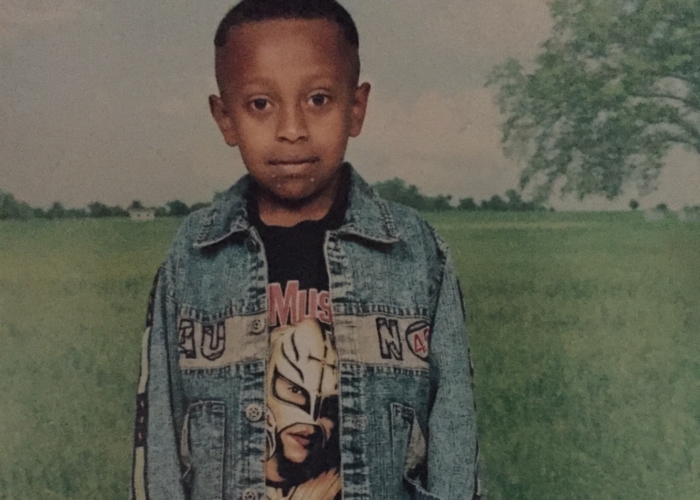
Abel’s school photo as a young boy

ST: Yes! He writes letters to me in English. His letters are short, but I cherish them. Abel tells me which sports he likes, like basketball. He has a sister; someone in his family is sick but not sure whom. I’ve always wished we’d had been able to contact each other more.  I know he goes to school and studies hard.

CI: What do you wish for Abel?

ST: I have this vision that in 30 years from now when he is an adult, one time before I die, I would love to see him. It is so interesting to be with someone for so long having never met them. I’ve watched him grow up. I have his pictures in my room of him getting bigger and bigger. I hope I have given him a chance at a better life.

CI: What advice would you have for someone who is reading about you and Abel, and is considering sponsorship?

ST: I think that it is extremely rewarding; it is money well spent. I could go buy myself a latte, but this small amount of money is changing someone’s life, and it is the difference between that child eating or not- and we all have to do our part in making others lives better and this is a meaningful way to do that. You walk away going, “I changed someone’s life today, and I helped give them something that they wouldn’t be able to get in another way”. The money is helping to make a difference and that is important even if you don’t ever meet the child. It’s a little money for all of us, but if we put it together, then we can be impactful and make a really big difference. And hopefully, they can be sustainable and more self-sufficient in a way and they can continue to succeed and move forward.

Meet Abel

“Hi, my name is Abel. I am in the tenth grade. My favorite subject in school is physics. My teacher describes me as active, sociable, and an excellent student. I enjoy reading and playing soccer. I live with my mother and sister. I live in a small, old rented room that has no running water or indoor plumbing. When I grow up I want to be an engineer. Sponsorship is important to me because it helps with my school fees and other expenses so that I can attend school regularly without a problem.”

***

HOW DO I SPONSOR A CHILD IN ETHIOPIA?

You can sponsor a child in Ethiopia in one of three ways – call our office and speak with one of our sponsorship specialists at 1-800-538-5381, email us at sponsorship@children-inc.org, or go online to our donation portal, create an account, and search for a child in Ethiopia that is available for sponsorship.
SPONSOR A CHILD


The city of Guadalajara has a lot of things going for it — it’s considered the home of mariachi music, the historical area’s plazas and museums are sought-after by tourists, and overall, it’s considered to be the cultural capital of the Americas. With the surrounding areas considered, the population exceeds four million, making it the second most populated area after Mexico City.

In 1986, a priest named Father Ramon Aguirre decided to start a home for children whose parents were serving time in prison. In a large city like Guadalajara, you can’t really avoid pockets of poverty or the crime that comes with it. Father Ramon Aguirre felt that it was important to help siblings stay together while their parents were away — this way, the families could remain families, rather than the children being turned out into the streets, which happened often during that time.

Resources are currently an issue—La Luz is currently only at half capacity. None of their support comes from the government, since none of the kids were brought to the home by the government.

Stability Five Days a Week

La Luz Home is run now by Sister Nellie, who picked us up from the bus station with Allie, a full-time social worker at La Luz. We ate lunch together after we arrived, and the two told us more about the specific situation at the home, which is a little different from the ones we’ve seen so far.

The boys and girls at the home, for one, go to public schools during the week but are cared for by the sisters in the afternoons. All of them go home on the weekends, which is certainly a change from the other schools. Sometimes that means going home to their mother because their father is incarcerated; sometimes that means going to the home of a relative if one or both of the parents are out of the picture (from time to time, both are incarcerated).

Not only does the structure of the school keep the children sticking to a routine, but it also keeps the sisters from having to find the resources to house the children over the weekend. Resources are currently an issue — La Luz is currently at only half-capacity. None of their support comes from the government, since none of the kids were brought to the home by the government.

The sisters find the children through their work within prisons as they help incarcerated individuals find spiritual peace. In doing so, they learn about the prisoners’ children and their current living situations and agree to help out the prisoners’ families.

The children of incarcerated parents are brought here, where dormitories surround a large playground. The dorms are separated by gender, and the 24 children range from age three to thirteen. There’s a psychologist on staff who helps the children with the transition, and Allie, who works closely with the children. Together, those two decide whether or not the child should be reestablished permanently with the family once the parent(s) are out of jail.

dscf3377

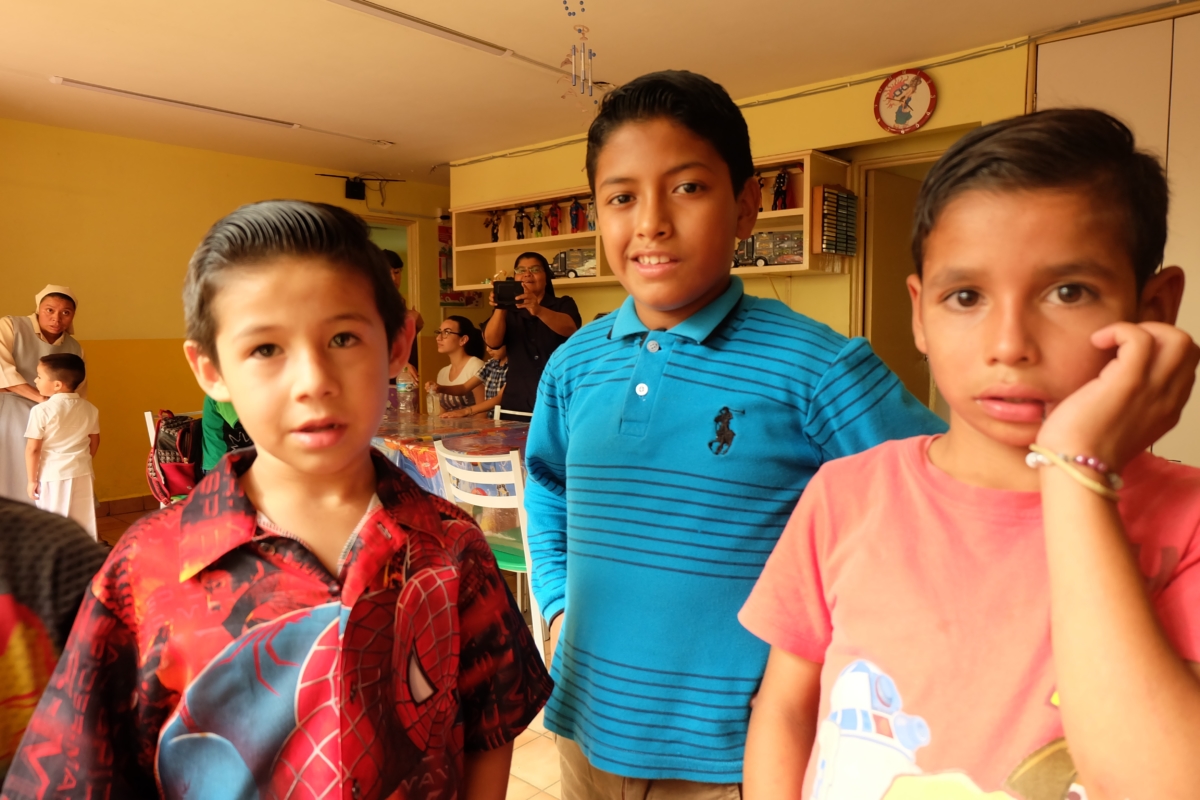
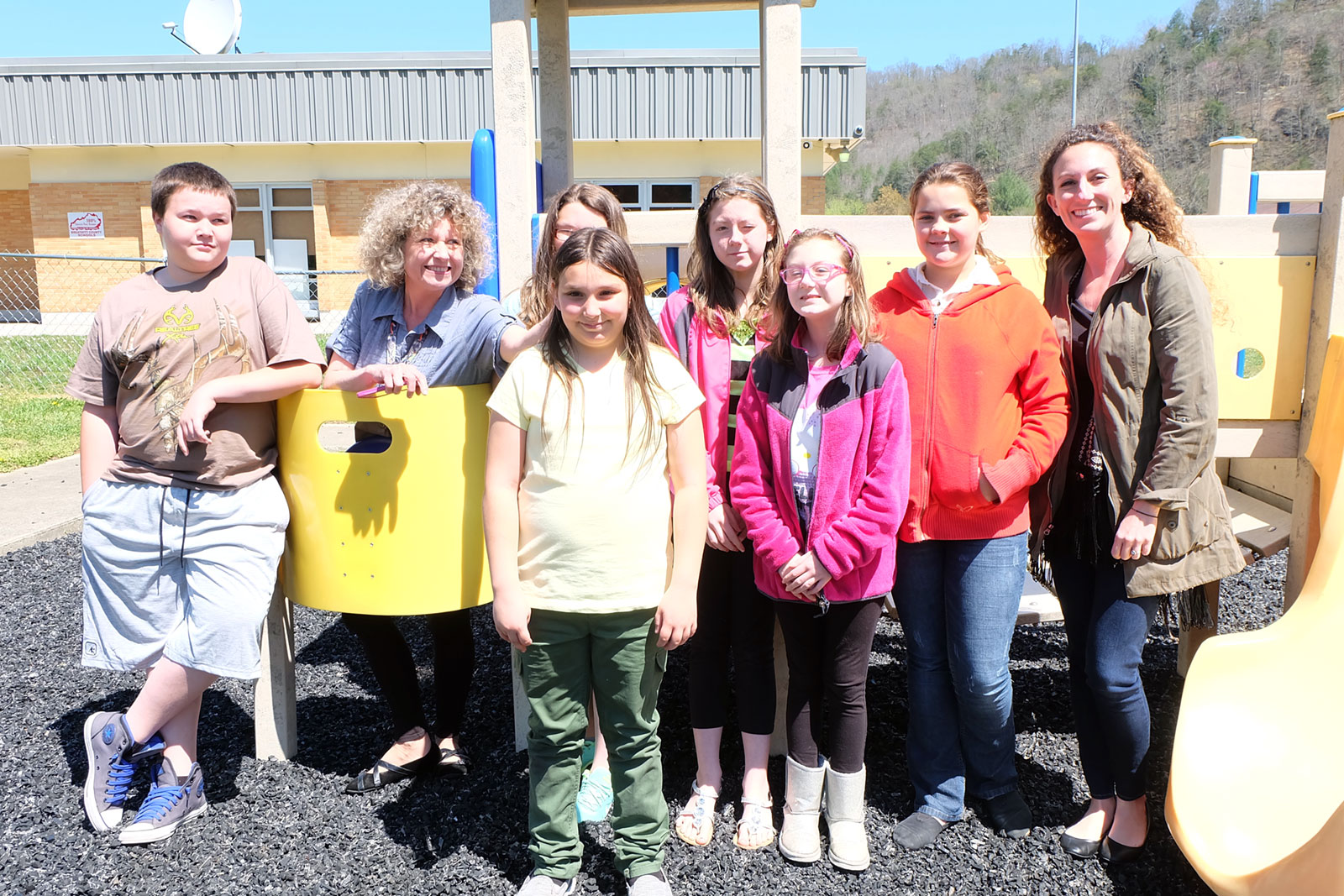
The family of some of our sponsored children

These children might be kept in a stable place with their siblings — unusual in itself. But their home lives are the most upsetting of any of the kids we’ve seen so far on this visit. If their environments weren’t poverty-stricken, they were probably abusive, unstable, and inconsistent. Most of the crimes committed in this case are robberies, and the legal system takes a long time to work. No one’s ever sure exactly when they’re going to see their parents again.

But here at La Luz, they don’t have to worry about that, at least not right now during our lunch. The children have had a dance instructor lately, and they perform for us as a way to thank us for visiting. As it’s Friday, their mothers and grandmothers start to arrive to pick them up for the weekend, and I love watching their faces light up as they spot their moms waiting. Some of them are so excited to see their family member that they get distracted and forget to dance.

After the School Week Ends

The next morning, we begin home visits with Sister Nellie. They’re our first since we’ve arrived in Mexico, as the other homes we visited housed children full-time. I’m anxious about what to expect.

Guadalajara is very modern on the surface, but as soon as you turn down a side street, the roads are unpaved, the houses get tiny, and security weakens (the more affluent areas of town have gates to protect against crime). The first home we visit is that of a mother with five children, three of whom stay at home during the week. Their father is incarcerated, and the whole family stays in a portion of their uncle’s home.

We can see into the home through a window. It’s got a dirt floor, a small kitchen — it seems far too small for six people. Sister Nellie knocks on the metal door, but no one answers.

I’m relieved that the grandmother’s house is nice and clean and she seems like an able caretaker, but I’m even more relieved that the children can go to La Luz and have their minds engaged during the week.

Everyone’s confused because the visit had been scheduled in advance. Sister Nellie asks a neighbor, and they suggest checking at a house up the street, as sometimes the kids will go there when the mother has to work cleaning houses. They’re not there, either. It feels so strange to go searching this street for these children, but Sister Nellie isn’t worried. She explains that this kind of thing is pretty normal, in that the children’s routines are anything but. Their lives change from moment to moment.

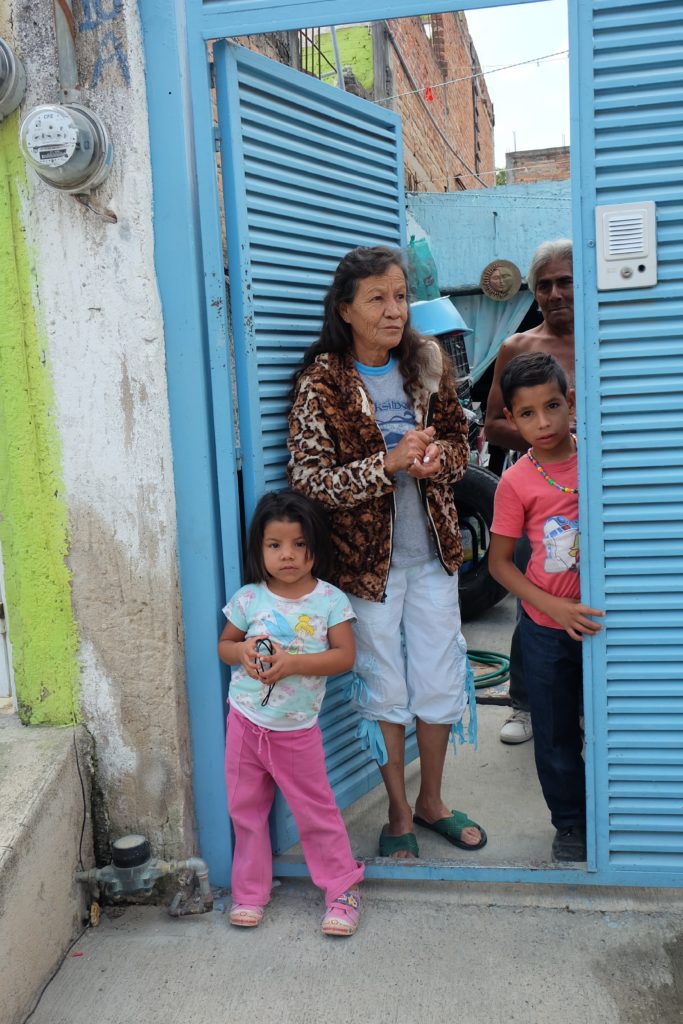
We find two of the children at their grandmother’s house, watching TV. These are just two of her twenty total grandkids. She rents the house currently, but her daughter intends to find a place for her and the children once the children’s father is out of jail. They’ll likely watch TV all weekend, while the older children wander the nearby streets and the very youngest child sticks close by the mother as she cleans the homes. I’m relieved that the grandmother’s house is nice and clean and she seems like a capable caretaker, but I’m even more relieved that the children can go to La Luz and have their minds engaged during the week.

The next home visit is largely the same situation — five children, a dad in jail, and a TV on. Two other relatives live there as well, bringing the total to eight people, with six sleeping on three couches and one bed in the living room. When we talk to the children, they say they love going to La Luz, and that there’s nothing for them to do when they’re at home, even though we’ve seen how excited the kids are to see their mother.

Hearing that from the kids is bittersweet. We’re so glad that we can be part of a program that is clearly making a difference in the kids’ lives, and it’s so refreshing that they can still see their parents sometimes, but the idea of them sitting in the dark and watching television all weekend is dispiriting.

There’s a light in that darkness, though, beyond the pleasure they get from seeing their parent or guardian. The youngest child in this family, Fernando, gets packages from his Children Incorporated sponsor every month, including clothes, shoes, and toys. He doesn’t write much in school, but he’s gotten very good at drawing and coloring, each month making a special picture for his sponsor.

While finances are always on the minds of the households we visit, La Luz is especially concerned with resources right now. Some support comes from the La Luz Children’s Hospital next door, but much of it comes from Children Incorporated, which helps furnish clothes, school supplies, and food. The home could be housing as many as 48, but the money just isn’t available, despite the clear need in the community.

After lunch, we head back to our hotel as I try to wrap my brain around what life is like for these kids. I’m not sure they’re old enough to really process what it means for their families that one or both of their parents are in jail, or how their lives could really change at any minute. That’s why it’s so nice to see them getting some consistency and support at La Luz, even though it’s only during the week.

I focus on how happy the children were as soon as they saw their mothers’ and grandmothers’ waiting faces. Father Ramon Aguirre was right to try to keep families together, while at the same time giving these kids some structure, with which they seem to thrive.

***

HOW DO I SPONSOR A CHILD IN MEXICO?

You can sponsor a child in Mexico in one of three ways – call our office and speak with one of our sponsorship specialists at 1-800-538-5381, email us at sponsorship@children-inc.org, or go online to our donation portal, create an account, and search for a child in Mexico that is available for sponsorship.
SPONSOR A CHILD

written by Shelley Callahan

Shelley is the Director of Development for Children Incorporated. She is also the lead social correspondent, regularly contributing insights through the Stories of Hope blog series. Sign up for Stories of Hope to receive weekly email updates about how your donations are changing the lives of children in need.

» more of Shelley's stories