Tag Archives: sponsors

Thanks to our new partnership with Kind Traveler, travelers can now help provide basic necessities such as food, clothing, healthcare, and educational support to children living in poverty in the U.S. and abroad when they book hotels through the Kind Traveler website.

Kind Traveler, a Public Benefit Corporation (PBC), is the first socially-conscious “Give + Get” hotel booking platform that empowers travelers to benefit communities, the environment, and animals. Travelers give a donation of $10 per night that they book to a local charity that positively impacts the destination they will visit, or to a charity of their choice on the platform. As a reward for their donation, travelers receive an exclusive rate to use in booking directly with the world’s best hotels and unique properties. One hundred percent of the donations raised on the Kind Traveler platform go directly to charities.

Kind Traveler is committed to giving back to the community.

Tremendous potential

Considering the financial power of the $7 trillion travel industry, this partnership between Children Incorporated and Kind Traveler has tremendous potential for positive global impact. Last year alone, people around the world took more than 1.2 billion trips. Meanwhile, nearly 75 percent of travelers polled in Tourism Cares and Phocuswright’s Good Travels research study believe it is important for their travel dollars to benefit the communities they visit. The study also found that price is the leading reason for booking with a particular travel company. By offering an exclusive rate on hotel stays, Kind Traveler has created a solution that addresses both the consumer’s price motivation and their desire to make a difference.

Another major distinction between Kind Traveler and other travel booking sites is the former’s desire to educate. According to Phocuswright, “Three of ten giving travelers were prompted to volunteer or donate because of something they read, heard, saw or experienced.” Kind Traveler’s blog provides stories that inspire travel while underscoring the importance of giving back, living consciously, and choosing with purpose. By sharing the stories of Children Incorporated’s impact on the planet’s most vulnerable families, Kind Traveler is building awareness of the one in nine people worldwide who will go to bed hungry tonight.

By offering an exclusive rate on hotel stays, Kind Traveler has created a solution that addresses both the consumer’s price motivation and their desire to make a difference.

“Our win-win platform offers solutions for everyone,” said CEO and Co-Founder, Jessica Blotter. “For travelers, they become warriors for good and support hotels that are making a positive impact in the world – while receiving exclusive hotel rates. For hotels, they cultivate new relationships with cause-minded consumers and take another step towards corporate social responsibility. For charities, they receive 100 percent of donations and a new, sustainable channel for fundraising.”

Travelers can now support Children Incorporated when they book Kind Hotels in:

Aspen: Hotel Aspen, Molly Gibson Lodge

Austin: Lone Star Court, Hotel Ella, South Congress Hotel

Baltimore: Hotel Revival

Vancouver: Hotel Loden

Chicago: Hotel Felix, The James Chicago – Magnificent Mile, Virgin Hotels Chicago

Costa Rica: Cala Luna, Casa Chameleon Las Catalinas, Casa Chameleon Mal Pais, Casa Chameleon OCiO Villas

Hawaii: Turtle Bay Resort

Houston: Hotel Sorella CityCentre, Hotel Ylem

Idaho: Hotel Ketchum

Los Angeles: Dream Hollywood, The Hollywood Roosevelt, The Mondrian LA, Hotel Angeleno, Hotel Erwin, Terranea Resort

Mexico and the Caribbean: COMO Parrot Cay (Turks & Caicos), Hotel El Ganzo (San José del Cabo), Ka’ana Resort (Belize), Itz’ana Resort + Residences (Belize), NIZUC (Cancún), The Jamaica Inn (Jamaica)

Miami: Carillon Miami Wellness Resort, COMO Metropolitan Miami Beach, Dream South Beach, The Betsy – South Beach, The Palms Hotel & Spa, 1 Hotel South Beach

Minneapolis: Hewing Hotel

New York City: Arlo Hotel NoMad, Arlo Hotel SoHo, Dream Downtown, Dream Midtown, The Benjamin, The Standard East Village, The Standard High Line

Orange County: Monarch Beach Resort, The Ranch at Laguna Beach, Balboa Bay Resort

Palm Springs: Two Bunch Palms

San Antonio: Hotel Valencia Riverwalk

San Francisco: Hotel G, Hotel Spero, The Mosser Hotel, Kensington Park Hotel

San Jose: Hotel Valencia Santana Row

Tampa: Godfrey Hotel & Cabanas Tampa

Telluride: Lumière Telluride

Virginia: Lansdowne Resort & Spa (Leesburg), Quirk Hotel (Richmond)

Washington, D.C.: The Embassy Row Hotel, Liaison Capitol Hill

Wisconsin: The Charmant Hotel (La Crosse), The Iron Horse Hotel (Milwaukee)

Learn more about how you can #TravelKindly with Children Incorporated and Kind Traveler here.

– Content provided by Kind Traveler CEO and Co-Founder, Jessica Blotter
– Photos courtesy of Kind Traveler

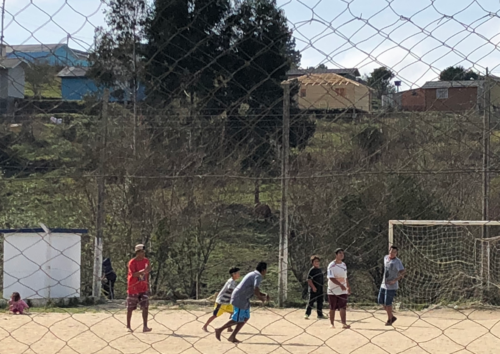
In the town of Fazenda Rio Grande on the outskirts of Curitiba in southern Brazil, our affiliated project Centro de Assistência e Desenvolvimento Integral (CADI) supports families who struggle to afford even the most basic of needs – and especially education-related expenses – for their children. What began in 1994 as a soccer school to motivate and assist children from low-income families has now become CADI  – a national nonprofit organization that provides assistance and developmental support to kids and families. The CADI center’s mission is to motivate and equip deserving children to rise above the difficulties they face, and to overcome poverty as adults.

The CADI center serves about 300 children on a regular basis, and it offers classes in robotics, arts and crafts, civics and ethics, martial arts, circus performance, and several other subjects that help children to develop the abilities and skills that are required to become successful adults. It also provides tutoring opportunities for kids, and houses sports teams that students may join.

The CADI center’s mission is to motivate and equip deserving children to rise above the difficulties they face, and to overcome poverty as adults.

Many of the children who go to the center after school live in nearby neighborhoods, and are abused and suffer severe violence in their own homes. Some of the kids in our sponsorship program are vulnerable to witnessing drug abuse at home or in the community, and some of them suffer from health problems. Most of the children come from single parent homes where they live with just their mother, or with a stepparent or grandparent.

Believing in her own potential

On a recent trip to Brazil, our International Projects Specialist, Andreia Beraldo, visited the CADI center, which is located about forty minutes from downtown Curitiba. Visiting the center was very special for Andreia, because our Volunteer Coordinator there, Arianny, used to be a sponsored child at the project herself.

Arianny is a great example of how sponsorship assistance can make a big difference in a child’s life. She started attending the CADI center when she was only four years old, right around the time her parents divorced. While she was growing up, she received support from her sponsor and the center, and her parents attended counseling sessions at CADI. While meeting with one another, Arianny mentioned to Andreia that as a result of the counseling her parents received while she was growing up, they decided to re-marry, and their family is once again united.

As she became older, Arianny learned about ethics and arts and crafts, and she acquired a variety of skills at the CADI center. As a teenager, she became interested in social work, and decided to volunteer at the center to help other children who were growing up in impoverished families, like she did. When she graduated from high school, she started studying social work at a local university.

After graduating from college in 2015, Arianny became an intern at a local hospital. In 2016, the CADI center hired her as a social worker. As she told her story to Andreia, Arianny became emotional, because thanks to the CADI center and the support she received from Children Incorporated, she learned to believe in her own potential, and she grew up with hope for the future and a positive perspective in life.

***

HOW Do I SPONSOR A CHILD IN BRAZIL?

You can sponsor a child in Brazil in one of three ways: call our office at 1-800-538-5381 and speak with one of our staff members; email us at sponsorship@children-inc.org; or go online to our donation portal, create an account, and search for a child in Brazil that is available for sponsorship.

SPONSOR A CHILD

written by Shelley Callahan

Shelley is the Director of Development for Children Incorporated. She is also the lead social correspondent, regularly contributing insights through the Stories of Hope blog series. Sign up for Stories of Hope to receive weekly email updates about how your donations are changing the lives of children in need.

» more of Shelley's stories

When we received a very significant donation from our partner International Student Exchange (ISE) last year, our Director of U.S. Programs, Renée Kube, wasted no time in working to ensure that the donated funds would make a positive impact on the lives of as many children as possible in the United States. Thanks to this important partnership with ISE and to Renee’s wonderful efforts in working with our domestic affiliated projects to support children in need, we were able to do the following:

– At the Hanaadli Community School Dormitory in New Mexico, eight laptop computers were purchased for the children there to check out and use. It is vital for youth on the remote Navajo Reservation to have access to technology and a window to our global community.

Students at the Pinon School work on the area where grapevines will be planted.

– At the Pinon Community School in New Mexico, funds went towards labor and materials for the installation of flooring in the new outdoor reading pergola, where native canyon grape vines were planted. Students use the fruits from those vines to make grape jelly. The school was also provided with supplies and materials to start up a student-run equestrian feed and supply store in collaboration with the agriculture and math teachers.

– At the St. Michaels Association for Special Education in Arizona, donations went towards labor and materials for a well that provides clean, good-tasting water for physically and mentally handicapped children. The water that comes out of all the taps there is usually either yellow, brown, or black, and it smells and tastes bad. Funds also went to hardscaping the area in compliance with Americans with Disabilities Act (ADA) requirements, which included materials for that work, like concrete and wire mesh; and labor costs for installing a sidewalk from the main building to the playground for wheelchair-bound students. This outdoor access has heightened their spirits and increased their activity.

– At Warfield Elementary School in Kentucky, funds from ISE went towards the purchase of hand tools for the school garden, soil for the greenhouse, and plants and seeds for both.

At the Francis L. Cardozo Education Campus in Washington, D.C., funds went to providing nutritious food for the weekend backpack feeding program there. This school has a high percentage of impoverished students, many of whom are homeless.

– At Glade Creek Elementary School in North Carolina, funds paid half a semester’s worth of tuition for most children enrolled in our program — entire tuition costs for those whose parents couldn’t afford to pay half — for an after-school program put on by the Junior Appalachian Musicians. The program is run by recognized experts, and the children who participate in it take lessons in playing a traditional instrument, like the banjo, dulcimer, guitar, or mandolin; and they take a course in an area of Appalachian cultural enrichment as well.

– At Broad Rock Elementary School in Richmond, Virginia, funds went towards purchasing LEGO base plates and LEGOS for the library for the installation of a LEGO wall. The librarian and math teachers collaborate in using the wall for lessons on coding for classification purposes, logistical and higher-level thinking, artistic expression, and cross-curricular work.

– At the Francis L. Cardozo Education Campus in Washington, D.C., funds went to providing nutritious food for the weekend backpack feeding program there. This school has a high percentage of impoverished students, many of whom are homeless.

– At Charles Hart Middle School in Washington, D.C., donations from ISE went towards providing nutritious food for the weekend backpack feeding program there, and for fresh fruits and vegetables for the school’s monthly market. Ward 8, where Charles Hart Middle School is located, is a food desert, with mostly just convenience stores nearby, which sell junk food and a small selection of boxed and canned foods; there is only one full-service grocery store in close proximity. There are barriers to transportation there as well, so many children have very limited access to fresh produce otherwise.

***

HOW DO I SPONSOR A CHILD WITH CHILDREN INCORPORATED?

You can sponsor a child with Children Incorporated in one of three ways: call our office at 1-800-538-5381 and speak with one of our staff members; email us at sponsorship@children-inc.org; or go online to our donation portal, create an account, and search for a child who is available for sponsorship.

SPONSOR A CHILD
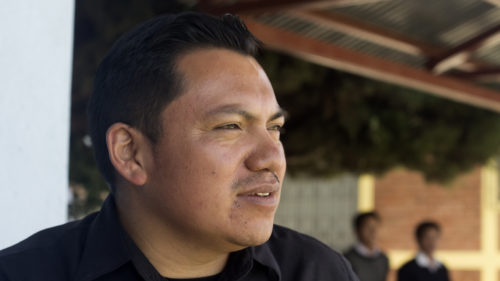
The small landlocked nation of Bolivia comprises the rugged Andes Mountains and vast high-altitude plateaus to the west, including a portion of Lake Titicaca – the largest high-altitude lake in the world. To the east are the lush lowland plains of the Amazon Jungle. Despite its wealth of natural beauty and resources, Bolivia bears the scars of centuries of conflict, beginning with the Spanish conquistadors, and followed by almost 200 years of wars and internal military coups. Political and economic instability have brought about considerable poverty there, resulting in widespread malnutrition, crime, and disease.

Yotala, an agricultural suburb of Sucre, is no exception to these hardships. The area is prone to drought, which not only diminishes crop yield, but it also forces families to purchase water for drinking and bathing. Many people in this community are very poor; they rarely manage to grow enough food to feed their families, much less to sell at the market. The Santa Rosa School was founded to assist the children of Yotala’s subsistence farming families. The school teaches core academic subjects, and it has received recognition in Bolivia with high honors for its biology and geography classes.

Children need to attend school to succeed; but more critically, they must attend schools where they are being taught by trained professionals – which is just the case at the Santa Rosa School.

A great institution

Children need to attend school to succeed; but more critically, they must attend schools where they are being taught by trained professionals – which is just the case at the Santa Rosa School. There are sixteen professors at the school – a large number compared to many schools – which means that the children there are attending a great institution where they learn daily and are prepared for moving on to receive a higher education.

Not only is the Santa Rosa School acclaimed for its academics, but it also offers skills training in such areas as weaving, agronomy, dressmaking, carpentry, computer literacy, and hairdressing. The school encourages parental involvement. Since many parents of students there are illiterate or only speak Quechua, the school offers them educational courses, along with general courses on parenting skills and nutrition – all of which afford them the opportunity to obtain better jobs and earn a greater income, which is helpful for their entire families.

***

HOW DO I SPONSOR A CHILD IN BOLIVIA?

You can sponsor a child in Bolivia one of three ways – call our office at 1-800-538-5381 and speak with one of our staff members; e-mail us at sponsorship@children-inc.org; or go online to our donation portal, create an account, and search for a child in Bolivia that is available for sponsorship.

SPONSOR A CHILD
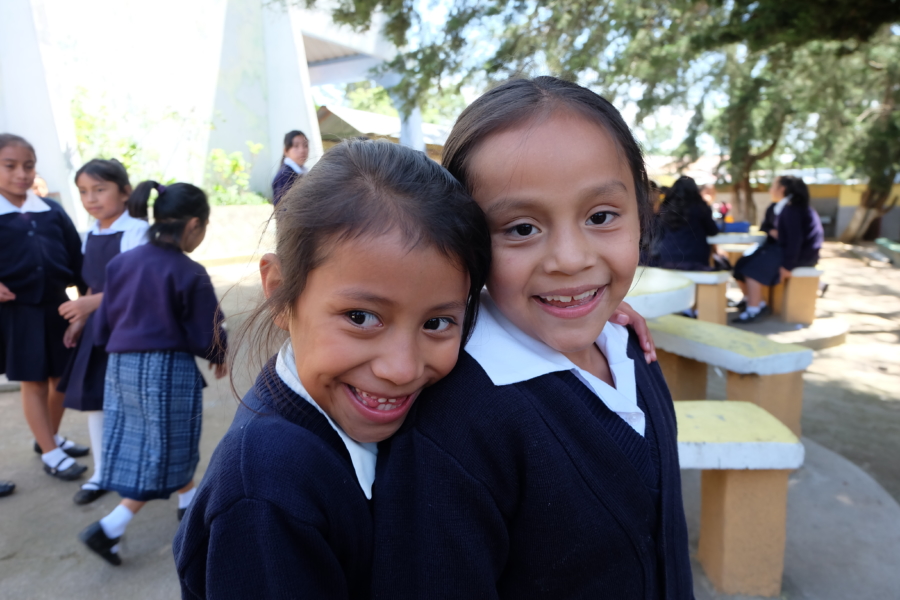
In Kenya, children need mosquito nets to protect them from mosquito-borne illnesses so that they’ll be healthy enough to attend school. Each year, we purchase thousands of nets, thanks to donations to our Mosquito Net Fund, which we distribute to our sponsored children and their families.

A mosquito net offers protection against mosquitos and the diseases they may carry. Examples of mosquito-borne illnesses include malaria, dengue fever, yellow fever, Zika virus, and various forms of encephalitis (inflammation of the brain), including the West Nile virus (WNV). For the net to be effective, the mesh must be fine enough to exclude these insects without reducing visibility or airflow. It is also possible to further increase the effectiveness of a mosquito net greatly by treating it with an appropriate insecticide or mosquito repellant. Research has shown mosquito nets to be an extremely effective method of malaria prevention, having averted approximately 451 million cases of malaria between the years 2000 and 2015.

In Kenya, children need mosquito nets to protect them from mosquito-borne illnesses so that they’ll be healthy enough to attend school. Each year, we purchase thousands of nets, thanks to donations to our Mosquito Net Fund, which we distribute to our sponsored children and their families.

About mosquito-borne illnesses

– Malaria infects around 250 million people worldwide each year

-In 2015, malaria caused 438,000 deaths

– Worldwide incidents of dengue have risen 30-fold in the past 30 years – and more and more countries are reporting their first outbreaks of the disease

– The Zika virus, dengue fever, chikungunya, and yellow fever are all transmitted to humans by mosquitos

– More than half of the world’s population lives in areas where disease-carrying mosquitos are present

– The most effective means of preventing malaria is by sleeping under a mosquito net

About Kenya

Located in the African Great Lakes region of eastern Africa, Kenya is perhaps best known for its fertile highlands and grassy savannahs, teeming with an abundance of wildlife – and, of course, for its namesake peak, the glacier-laden Mount Kenya. Its economy relies heavily on agriculture and tourism. Kenya is also a cradle of civilization, rich in cultural heritage and diversity. The nation’s wealth of natural beauty, resources, and culture, however, belie the poverty in which most of its residents live. Tragically, destitution and weak government institutions allow for frequent human rights violations. Moreover, Kenya is plagued by a severe shortage of healthcare workers, which contributes to lower life expectancies, high infant mortality rates, and widespread preventable diseases.

Introducing St. John’s Community Center

A mosquito net offers protection against mosquitos and the diseases they may carry.

These maladies are, perhaps, most pronounced in Nairobi’s poorest and most dangerous neighborhood, Pumwani. Plagued by extreme poverty, disease, and crime, this area is home to thousands of needy children in desperate need of assistance. Many of these children live in slum conditions and suffer from malnutrition, abuse, and neglect. For these reasons, St. John’s Community Center serves as a safe place for our sponsored and unsponsored children to receive an education.

The center was established in the late 1950s following a violent period known as the Mau Mau Uprising. Its mission is to provide long-term social services to the needy – regardless of age, tribal affiliation, or faith. By providing for children’s immediate needs as well as investing in their future through education, St. John’s Community Center offers children the opportunity to break the cycle of poverty. Through sponsorship, we are able to support these children with basic needs, and with the additional support from our Mosquito Net Fund, we are able to provide them with mosquito nets to keep them healthy so that they can attend school.

***

HOW DO I CONTRIBUTE TO THE MOSQUITO NET FUND?

 You can contribute to our Mosquito Net Fund in one of three ways: call our office at 1-800-538-5381 and speak with one of our staff members; email us at sponsorship@children-inc.org; or go online to our donation portal, create an account, and donate to our Mosquito Net Fund.

DONATE

References:

 https://www.unicef.org/supply/index_39977.html 

https://www.againstmalaria.com/WhyNets.aspx

 http://www.who.int/neglected_diseases/vector_ecology/mosquito-borne-diseases/en/ 

https://www.cdc.gov/niosh/topics/outdoor/mosquito-borne/default.html

 https://www.cdc.gov/parasites/malaria/index.html

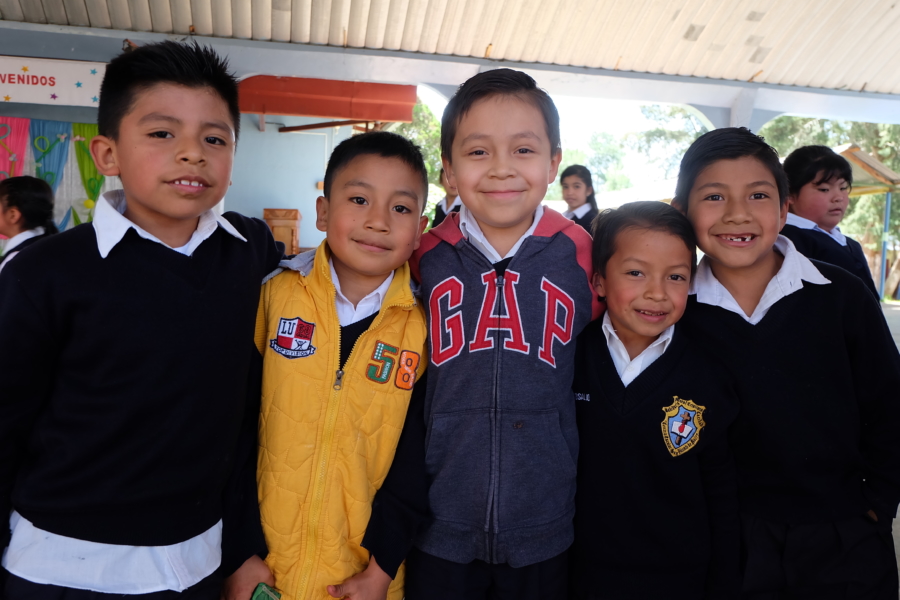
The small landlocked nation of Bolivia comprises the rugged Andes Mountains and vast high-altitude plateaus to the west, including a portion of Lake Titicaca – the largest high-altitude lake in the world. The lush lowland plains of the Amazon Jungle are found to the east. Despite its wealth of natural beauty and resources, Bolivia bears the scars of centuries of conflict, beginning with the Spanish conquistadors and followed by almost 200 years of wars and internal military coups.

Political and economic instability have brought about considerable poverty there, resulting in widespread malnutrition, crime, and disease. For these reasons, Children Incorporated supports hundreds of children in Bolivia each year, providing them with basic necessities so that they have the opportunity to go to school and succeed.

Facts about Bolivia

– Population: 10.1 million (UN, 2011)

– Capital: Sucre (official), La Paz (administrative)

– Largest city: Santa Cruz

– Area: 1.1 million square kilometers, or 424,164 square miles

Nearly 60% of Bolivians live below the poverty line. In rural areas, the numbers are even more dramatic. Three out of every four people living in these areas suffer from poverty.

– Major languages: Spanish, Quechua, Aymara, Guarani

– Major religion: Christianity

– Life expectancy: 65 years for men, 69 years for women (UN)

– Monetary unit: the boliviano

– Main exports: soybeans, natural gas, zinc, gold, silver, lead, tin, antimony, wood, sugar

Facts about child poverty in Bolivia

 It is estimated that 2.5 million children live in conditions of poverty. The causes of mortality in children under the age of 5, according to the Ministry of Health, are directly associated with poverty. An estimated 36% of these deaths occur as a result of diarrheal diseases, and an estimated 28%, as a result of malnutrition.

 – According to the United Nations Children’s Fund (UNICEF), the poverty in Bolivia is among the worst in South America. Economic growth and opportunities to make a living are most commonly found in urban areas, making it difficult for indigenous farmers, inhabitants of more remote areas with fewer people, to market their products and provide for their families.

– Nearly 60% of Bolivians live below the poverty line. In rural areas, the numbers are even more dramatic. Three out of every four people living in these areas suffer from poverty.

– One reason for the extreme poverty lies in Bolivia’s geography: many of the country’s roads are undeveloped, so farmers have difficulty transporting their products to sell them in markets outside of town – which, in turn, negatively impacts their families and the communities in which they live.

– It is estimated that 70% of the rural population and 30% of the urban population are illiterate.

– The incomes of nearly two-thirds of households are too low to afford the minimum amount of food necessary for healthy living.

-Around 12% of school-age children in Bolivia are not attending school.

Where we work

In Bolivia, we affiliate with fourteen projects in three major cities and their surrounding areas: Santa Cruz, La Paz, and Sucre. Santa Cruz is Bolivia’s largest city. Sucre, Bolivia’s constitutional capital, retains much of the flavor of Spanish colonialism, including many buildings erected by the conquistadors, and the second-oldest university in Latin America. At 12,000 feet above sea level, La Paz is the highest capital city in the world.

How you can help in Bolivia

You can help a child living in poverty to receive an education in a few different ways. One way is through our child sponsorship program. Sponsorship provides an underprivileged child with basic and education-related necessities such as food, clothing, healthcare, school supplies, and school tuition payments. This vital support allows impoverished, vulnerable children to develop to their full potential – physically, emotionally, and socially. Sponsors positively impact the lives of the children they sponsor through the simple knowledge that someone cares about their well-being. This gives children in need hope, which is powerful.

Sponsorship provides an underprivileged child with basic and education-related necessities such as food, clothing, healthcare, school supplies, and school tuition payments.

Our policy has always been to consider the needs of each sponsored child on an individual basis. We work closely with our volunteer coordinators at our project sites, who are familiar with each individual circumstance and the needs of every child in their care. Sponsorship donations are sent to our projects – orphanages, homes, community centers, and schools – at the beginning of each month in the form of subsidy stipends. Our on-site volunteer coordinators use those funds to purchase items for children in our program, to ensure that they have what they need to do their very best and succeed in school.

You can also help children in Bolivia by donating to one of our special funds. Our special funds offer a variety of giving options for sponsors who wish to further their support, as well as for donors who wish to make a difference without making a commitment. In the past, thanks to donations to our Hope In Action Fund, we have been able to build classrooms, as well as homes for people living in poverty in Bolivia, greatly changing their lives for the better, and giving them the opportunity to become financially stable.

 ***

HOW DO I SPONSOR A CHILD IN BOLIVIA?

 You can sponsor a child in Bolivia in one of three ways: call our office at 1-800-538-5381 and speak with one of our staff members; email us at sponsorship@children-inc.org; or go online to our donation portal, create an account, and search for a child in Bolivia that is available for sponsorship.

SPONSOR A CHILD
 References:

 https://www.unicef.org/bolivia/children_1540.htm

 https://borgenproject.org/poverty-in-bolivia/

 https://www.unicef.org/bolivia/children_1538.htm