Tag Archives: sponsor children

When a child is sponsored, they can count on consistent support for their most pressing needs. This stability ensures that meals, clothing, and school supplies are not just occasional gifts, but ongoing resources they can rely on. With that security, children are able to focus on their education and personal growth, opening doors to a brighter future.

Spring has Sprung around the world

In the U.S., springtime means spring break, SOLs, final exams, and eager anticipation for summer break.  In India, it means the end of the school year, with students leaving their boarding schools to return home until classes resume in June. In Kenya, springtime means hotter weather and the need for new, seasonal clothing. Regardless of the region, circumstances, or stage of life our enrolled children may find themselves in, we are there to meet their needs!

Through grants from our Hope In Action Fund, students at Dornakal School in India received suitcases to transport their belongings home for school break as well as mosquito nets to help keep them safe there.


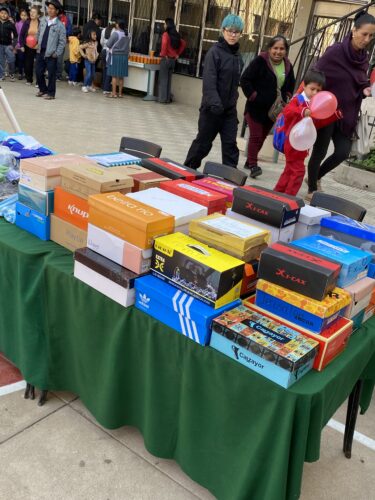
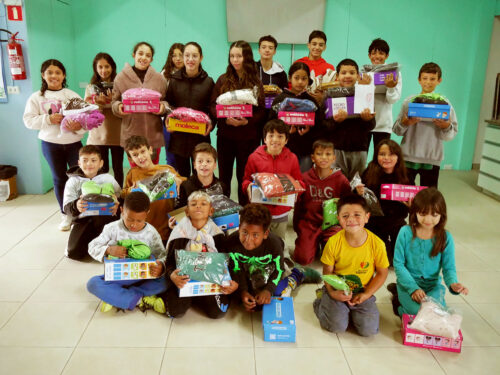
March marks the beginning of the school year in Brazil, and, thanks to our sponsors’ and donors’ unwavering support, we were able to provide students at Recanto School with new shoes and backpacks to start the year off strong.


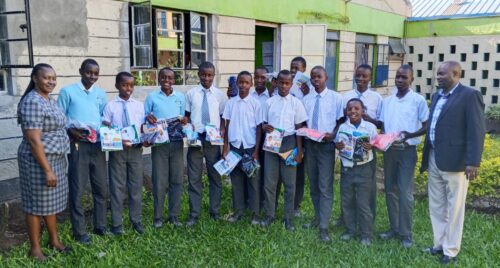
In Kenya, boys at the Junior School in Dandora received new, weather-appropriate clothing thanks to a sponsor’s generous Community Needs Gift.

Book fair Fever

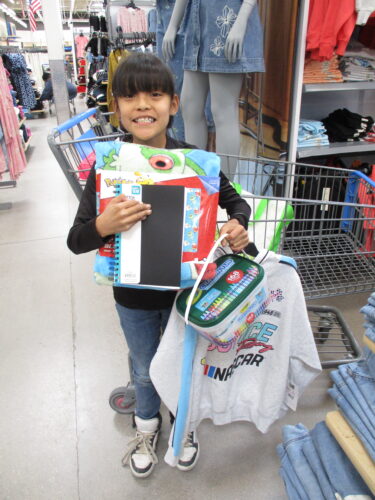
CI students at John’s Creek Elementary were able to participate in the Book Fair thanks to their CI sponsors! Our coordinator, Anita, snapped photos of the students proudly holding their new books.

Unsponsored Child Highlight

One of our volunteer coordinators sent us a heartfelt appeal for a student who currently needs the benefit of sponsorship:

“Jonathan” is one of our currently unsponsored students but we didn’t want to leave him out of the free book from the book fair this week! He is one of our flood survivors from 2021 & is being raised by a single grandfather along with his older brother who will be graduating high school this year. Jonathan is in 7th grade this year & has recently found his place among the AG students, he is willing to help out anytime that I ever need him as well. He is already part of a weekend food bag program but with sponsorship funds we will be able to help fund some education field trips over the next few years, get some more clothing off his wishlist & hopefully so much more!

Should you be the one to help Jonathan succeed, give us a call at 1-800-538-5381 or send us an email at sponsorship@children-inc.org.

*child’s name is changed for security purposes

**********

How do I sponsor a child with Children Incorporated?

You can sponsor a child in one of three ways:

  • call our office at 1-800-538-5381 and speak with a real person in our sponsorship department
  • email us at sponsorship@children-inc.org
  • go online to our sponsorship portal and search for a child that is available for sponsorship.
SPONSOR A CHILD

Around the world, millions of children spend years preparing for a single moment: a government-mandated exam that can determine whether they move forward in school, gain access to higher education, or step into a future filled with opportunity. In countries like Ethiopia, Kenya, India, and across parts of South America, these exams are more than academic milestones. They are turning points.

For some children, they open doors. For others, they quietly close them. The difference is often not intelligence or potential.

It’s access.

When One Test Shapes a Future

The United States often offers students multiple chances to grow, recover from setbacks, and keep moving forward. In many education systems across Africa, Asia, and South America, however, a single score can determine whether a child is allowed to continue in school at all. 

When we understand how much rests on one exam, we begin to see just how powerful it can be to stand beside a child with tutoring, teacher training, and school support—turning a single test from a dead end into a doorway of possibility.

Understanding the Systems Behind the Test

In Ethiopia, students encounter two major national exams that shape their future. At the end of Grade 10, one exam determines whether they can continue on an academic path. At Grade 12, another determines whether university is even available to them. These exams, administered by the National Educational Assessment and Examination Agency, carry enormous weight. One score can determine whether their education continues or ends.

In Kenya, the system is evolving. For years, students relied on exams like the Kenya Certificate of Primary Education and the Kenya Certificate of Secondary Education to determine their path forward. Today, the country is transitioning to a new model with assessments like the Kenya Primary School Education Assessment and the Kenya Junior School Education Assessment, designed to evaluate progress over time. Even so, performance still plays a major role in shaping opportunity.

In India, students move through a series of high-stakes exams, including national board exams and competitive entrance tests like the Joint Entrance Examination and the National Eligibility Entrance Test. With millions of students competing for limited university placements, these exams are among the most competitive in the world, directly impacting the ability to even apply.

In Brazil and Chile, national exams such as the Exame Nacional do Ensino Médio and the Prueba de Acceso a la Educación Superior serve as the primary gateway to higher education.

While each system is different, the reality is the same: at key moments, a child’s future is determined by how well they perform on an exam.

Reality Behind the Scores

These exams are designed to measure what a child has learned, but they often reflect much more than that. For children growing up in poverty, preparing for these exams means navigating obstacles far beyond the classroom. Some study without electricity, and others attend overcrowded schools with limited materials. Many go to school hungry, making it difficult to focus or retain information. After school, responsibilities at home often take priority over time to study. By the time exam day arrives, students are not just being tested on what they have learned, they are being tested on everything they have had to overcome.

Meet Daniel*

Daniel is 14 years old and working toward one of the most important exam of his life, one that determines his ability to attend university and eventually make a living wage.

A strong student who loves mathematics, his teachers see real potential in him. But like many children, his path has not been easy. There have been days he’s gone to school without the supplies he needed. Evenings when studying had to wait because his family needed him to work. Moments where hunger made it difficult to concentrate.

Daniel’s future was never limited by his ability, it was limited by his circumstances.

Where Sponsorship Changes the Story

Thankfully, in Daniel’s case, sponsorship shifted  his chances. When Daniel was connected with a sponsor through Children Incorporated, he gained access to the support he needed to prepare. He received school supplies that allowed him to participate fully in class. With consistent meals, he enjoyed  focus and the energy to learn. He gained stability and encouragement—two things that quietly, but powerfully, build confidence over time. These changes made the difference between walking into an exam unprepared and walking in confident and ready.

More Than a Test

For students like Daniel, passing an exam is not just about a score, it’s about the opportunity to continue.When one exam can unlock that kind of opportunity, it has the power to change the direction not only of a child’s life, but of their family’s future for generations to come.

Why Your Support Matters

When you sponsor a child, you help remove the barriers that stand between a child and their potential. You are helping to ensure that when they sit down to take that exam, they are not carrying the weight of hunger, lack of resources, or instability with them.

Through sponsorship, you can create a moment where a student’s hard work has a real chance to shine. Because in a world where one test determines a future, preparation changes everything. Preparation is exactly what your support makes possible. Some look at these exams and see a final result. For a child who is given the chance to succeed, that moment is not an ending.

It’s a beginning

**name changed for privacy

***

These stories reveal just a glimpse of your support’s impact. Will you help us write the next story?

You can sponsor a child in one of three ways:

  • Click Here to go online to visit our sponsorship portal and search for a child that is available for sponsorship
  • call our office at 1-800-538-5381 and speak with a real person in our sponsorship department
  • email us at sponsorship@children-inc.org

SPONSOR A CHILD

Dear Friends,

Hunger isn’t just an inconvenience — it remains one of the most persistent barriers that dims a child’s chance to succeed. Around the world, millions of children struggle with food insecurity, and too many families don’t know where their next meal will come from.

Across the United States and around the world, children in poverty face a challenge no child should have to navigate: hunger. For too many families across the United States and abroad, the cost of food competes with rent, utilities, school supplies, and basic health needs. Children feel those sacrifices most. When kids don’t know when they will eat again, their ability to focus, grow, and thrive begins to slip away.

For over six decades, we have joined forces with local schools and community organizations to make sure children receive the nourishment they need, not only during the school day, but also on weekends, during school breaks, and in seasons of crisis, so hunger does not get the final say in a child’s future.

How the Feeding Program Works

IN THE UNITED STATES
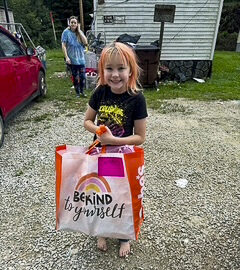
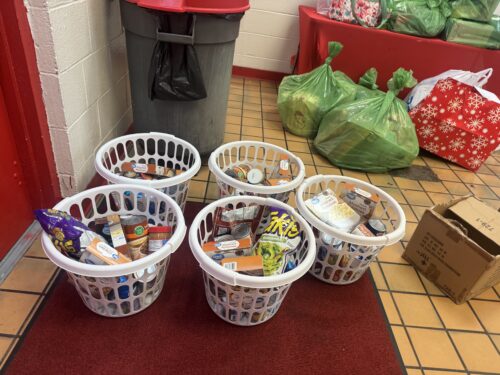
Children take home bags of nutritious, non-perishable food from school on Fridays. This ensures they have meals throughout the weekend when free and reduced‑price school meals pause.
For families already stretched thin, these bags offer reassurance that their children will not face long gaps between meals. A $50 donation can can provide a filled backpack for a month. Could you find it in your heart to donate this amount for a child needing food?

AROUND THE WORLD
The Feeding Program provides daily meals or essential food supplies at partner schools in countries such as Guatemala, the Philippines, Kenya, and Ethiopia. Your $100 donation can fund a partner school’s nutrition program for an entire week.
In many of these communities, these meals are the most reliable nutrition a child receives, giving them the physical energy and mental focus they need to learn and grow.

Why this work matters now

Hunger remains one of the most persistent barriers to a child’s well-being and education. In America alone, millions of children face food insecurity​, going without adequate nutrition because their families simply cannot afford it. Globally, lack of food and proper nutrition contributes to stunted growth, weakened immune systems, and limited opportunities for children desperately trying to rise above poverty.

Without consistent access to food, children aren’t just hungry​, they’re at risk of falling behind in school, struggling with health issues, and losing confidence in their ability to succeed.

Here’s what your generosity can do

$25 – A week of school meals for one child.
$50 – One month of weekend food packages for a family in need.
$100 – Supplies can be purchased for the sustainment of community gardens.
$350 – Nutrition support for multiple unsponsored children in a high-need area.
$1000 – Long term nutrition support for an entire international school and their families.

What your gift means in Action

  • Food packages sent home on weekends or holidays give families peace of mind, so kids don’t go hungry when school isn’t in session.
  • Through our global network of local partners and volunteer coordinators, every dollar goes directly to putting nutritious food into the hands of children who need it — in the U.S. and abroad.

Today we ask that you stand with these children

When you give to the Feeding Program Fund, you join a compassionate community that refuses to let hunger dim a child’s potential. Consider making a gift to the Feeding Program Fund today. With every contribution, you help provide nourishment, stability, and opportunity to a child who is waiting for someone to care, someone like you.

Sincerely,

Liz Collins, President of Children Incorporated

Want to PARTICIPATE in our feeding program fund?

When a child is sponsored, they can count on consistent support for their most pressing needs. This stability ensures that meals, clothing, and school supplies are not just occasional gifts, but ongoing resources they can rely on. With that security, children are able to focus on their education and personal growth, opening doors to a brighter future.

Thank you from the children

We love seeing our donors’ generosity at work – and wanted to share recent examples of how your monthly contributions improve the lives of the children in our program. While needs vary from region to region and from child to child, the sentiment is always the same: you as a sponsor have the power to change a child’s life.
Thank you for all your kindness to the children we serve!

Positive improvements at Kids Hope Ethiopia

The garden at Kids Hope has received a new planting of sweet potatoes, as well as other vegetables that will grow through the summer for harvest this fall. This project stands as a positive move towards food independence at the school, every year they plant what can be used to directly help feed all the students enrolled. Currently they have begun harvesting their crop of teff flour – a native flour used in many Ethiopian dishes. Your Hope In Action donations go directly to the maintenance and improvements of community gardens, thank you for bringing nutrition and independence to the students at Kids Hope

.


We also saw students receiving a distribution of new uniforms as well as hygiene items. We know the gift of sponsorship means students don’t have to worry about these small barriers and can better focus on learning.

update from lebanon

The current unrest in Lebanon has directly affected the schools we are affiliated with in the country. Due to the instability and dangerous nature of travel, all children who were living at the Father Andeweg Institute for the Deaf have been sent home and all children who visit the school on a daily basis have been told not to come. Unfortunately, this means our coordinators do not have consistent communication with the children and their families. We are monitoring the situation and will update as news becomes available. If you are currently sponsoring a child at one of these affiliated sites in Lebanon and have questions, please do not hesitate to reach out to us at sponsorship@children-inc.org or 1-800-538-5381.

unsponsored child highlight


Five-year-old Sydney* just began school and couldn’t be more excited to follow in her big sister’s footsteps. Her teacher describes her as funny, energetic, and full of curiosity.

Becoming Sydney’s sponsor means you can help her start this important chapter with confidence and the tools to succeed in school.

*child’s name is changed for security purposes

**********

How do I sponsor a child with Children Incorporated?

You can sponsor a child in one of three ways:

  • call our office at 1-800-538-5381 and speak with a real person in our sponsorship department
  • email us at sponsorship@children-inc.org
  • go online to our sponsorship portal and search for a child that is available for sponsorship.
SPONSOR A CHILD

What is energy insecurity?

For many Southern families in the United States, winter brings more than a chill; it brings tough decisions. Energy insecurity (EI), a silent crisis affecting millions nationwide, often signifies an inability to meet heating, cooling, and energy needs. Low-income families, especially in rural areas, often face drafty homes and skyrocketing utility bills that outpace paychecks.

When the cold sets in, some must make heartbreaking “heat or eat” choices, spending what little they have on warmth or on food. In rural regions across Kentucky, West Virginia, and beyond, older homes and limited access to energy assistance leave families vulnerable to another bitter season.

The Impact of Cold Weather on Children

When temperatures drop, the challenge for our enrolled children extends far beyond just a  “chilly morning”. By lacking warm coats, shoes, or clothing, some students must miss school entirely, not by choice, but out of necessity. Missing school deepens existing attendance struggles, especially for children already living in poverty.

Helping provide warm clothing isn’t just about comfort; it’s about keeping children in class, connected, and ready to learn. A warm jacket can mean the difference between isolation and opportunity.

Climate and Inequality: When Weather Hits Harder

Extreme weather magnifies long-standing disparities in high-poverty, Black, and Hispanic neighborhoods, which already face structural barriers. When harsh heat or cold hits, those barriers grow higher, affecting health, school performance, and family stability.

Southern cities like New Orleans may see fewer winter storms than northern states, but when cold snaps hit, they hit hard. Older homes aren’t built to retain heat, and families living on thin margins have few safety nets. Even though New Orleans is in the South and bouts of cold weather are limited, the need for warm clothing is still their greatest need and the area in which our sponsors help children the most.

In the deep rural areas of Appalachia, steep mountain roads become treacherous when ice or snow arrives. When communities are cut off, students lose access not only to school but to the nutritious meals they depend on there. When significant winter weather hits, it is not an easy task to make the roads passable again – which limits the resources available to already struggling families.

Across North Carolina, from urban Raleigh to rural mountain towns, energy insecurity creates a health and learning risk. Studies find that households that must allocate more than a large share of income toward utilities are far more exposed to extreme temperature swings and health risks.

In the inner-city neighborhoods where we work in Washington, D.C., and Richmond, Virginia, winter brings a different kind of strain. Many families live in older buildings with inconsistent heat and rising utility costs. A stretch of freezing temperatures can mean crowded living spaces, missed school days, and parents forced to choose which bill to pay first. For children already navigating economic hardship, winter can interrupt learning, routine, and a sense of security.

How you can help

In times of hardship, whether from a cold snap, a family crisis, or ongoing energy insecurity, children need to know they are not alone. Through funds like Hope In Action and the Clothing Fund, our donors help provide warm coats, hats, gloves, emergency food, and other critical supplies when families need them most.

Working with trusted school partners and local volunteer coordinators who know their communities well, we quickly identify children who are struggling and respond with compassion and care. Your donations and sponsorship support helps them stay warm, stay in school, and stay focused on learning rather than survival.

Harsh winter conditions do not affect every family equally. Some can absorb the shock; others feel every degree of cold intensely. That is why your sponsorship and donations matter. When you give, you help a child stay warm, fed, and present in the classroom, and you invest in their future, building resilience and hope that last long after winter has passed.

***

How do I sponsor a child with Children Incorporated?

You can sponsor a child in one of three ways:

  • call our office at 1-800-538-5381 and speak with one of our staff members;
  • email us at sponsorship@children-inc.org; or
  • go online to our sponsorship portal, create an account, and search for a child in that is available for sponsorship.
SPONSOR A CHILD

At its heart, literacy is about possibility. It’s about giving a child the tools to learn, to dream, and to choose their own path forward. When we invest in literacy early, especially in underserved communities, we aren’t just teaching children how to read: we are helping them write a different future.

current literacy issues

79% of adults in the U.S. are functionally literate. That means roughly one in five adults struggle with basic reading and writing skills past a sixth grade level. That number is staggering. Literacy affects so much more than the person, it affects whole families, communities, and entire countries.

  • 20% of Americans read below the level needed to earn a living wage.
  • Almost half the adults in the U.S. earn well below the poverty level because of their inability to read.
  • Illiteracy costs U.S. taxpayers an estimated $20 billion each year.
  • Across Latin America and the Caribbean, an estimated 28 million young people cannot read or write, and rural communities bear the brunt of this inequality.


books at the dorm

Many Native American students live in such remote areas that they spend most of the academic year in dormitories. Although not all students board, these residential programs make it possible for many young people to receive the education they need and deserve. Children Incorporated, through our sponsorship program and generous donations from caring individuals, helps ensure they have the supplies they need to grow and thrive in these settings.

Over the summer, staff at Dzilth Community School in New Mexico shared a simple but powerful request: more books. Not just “educational” titles, but fun, engaging stories that spark curiosity and make kids want to read.

Our Hope in Action Fund exists for exactly this reason. With donations to this fund, we provided small bookcase libraries for the residential buildings, giving students easy access to books. These new libraries have already inspired more reading and kindled the students’ interest in learning.

vending machines

At many schools a quiet and exciting addition to resource classrooms is being delivered. Through grant funding and community sponsorship, we have several schools within our program that have been gifted book vending machines. These do not operate on money, but rather coins that are distributed to students as a reward for a myriad of positive reasons. Keeping a good grade in a subject, helping others, positive attitudes, all are joyous reasons to be rewarded with a chance to choose a book from the machine.

Besides being a fun tool, there are drastically important cognitive lessons at play with book vending machines. Besides being a healthy reward, it gives a child positive reinforcement, they allow them the control of picking their own item, as well as a chance to express themselves with the choice they make. To them, it isn’t about literacy, it is about the freedom of getting to make your own decision and being acknowledged for their hard work, which carries a tremendous weight in the positive growth of the child, especially one living in poverty.

Children Incorporated has been able to participate as well by providing funding for more books as they are needed through our Hope In Action Fund. As more and more of these book cases are installed in schools around the country we will continue to provide resources for as long as possible.

Book Fairs and their impact

​If you went to public school anytime after 1982 you may remember the Scholastic Book Fair – a traveling company that allows students to purchase books, posters, journals, pens, and all things educational. Granted the autonomy to make decisions, students consider reading an opportunity rather than a chore or school assignment. A study by the University of Rochester (2013) found that elementary students who picked their own summer reading had less of a summer learning slide than those who did not.

Book fairs are a well loved tradition. Journals, books, and pens all provide needed outlets for students, and the feeling of inclusion does incredibly powerful things for a child’s mental health.

Research consistently shows that children who read at home, develop stronger vocabulary, empathy, problem solving, and build confidence as learners. A Book Fair bridges the gap between school and home by putting books directly into children’s hands; books they choose, books that excite them, and books they can return to again and again. That powerful sense of ownership transforms reading from an assignment into a personal experience.

Book fairs play a critical role during the early years of education, when literacy development has the greatest long-term impact. Children who do not read proficiently by third grade are significantly more likely to struggle academically in later years. In underserved communities, where educational setbacks are often compounded by economic stress, early literacy support can change the course of a child’s entire educational journey. 

This is why sponsors are so important, they bring the lifeline to a brighter future. When we invest in our students participating in book fairs, we invest in literacy, and when we invest in literacy, we invest in a child’s future. Every book placed in a child’s hands is a step toward confidence, independence, and possibility.


Thank you sponsors and donors!

Sponsorship provides more than just financial assistance—it offers hope, stability, and opportunity. Whether through education, healthcare, or the simple encouragement of knowing someone cares, children are growing into capable, hopeful young adults. To our sponsors: your support is the reason these opportunities exist. Thank you for walking alongside these children on their journey to a brighter future.

***

Join Us in Making a Difference

These stories reveal just a glimpse of your support’s impact. Will you help us write the next story?

You can sponsor a child in one of three ways:

SPONSOR A CHILD


Sources: https://www.thenationalliteracyinstitute.com/2024-2025-literacy-statistics?