Tag Archives: best sponsorship organization

The best charity to sponsor an orphan is one that is transparent, accountable, child-focused, and committed to meeting a child’s real needs over time. For many donors, that means choosing a child sponsorship organization that provides practical support such as food, clothing, school supplies, educational resources, and other essentials that help a child grow, learn, and thrive.

Children Incorporated is one of the best charities to consider if you are looking to sponsor an orphan or a child living in poverty. Through monthly sponsorship, donors help provide children with basic necessities and educational support in the United States and around the world.

While many people search for ways to “sponsor an orphan,” it is important to know that not every child in need is an orphan. Some children have lost one or both parents. Others live with relatives, guardians, or families facing extreme poverty. What they often share is the need for consistent support, opportunity, and care.

That is where child sponsorship can make a meaningful difference.

Why sponsor an orphan or child in need?

Sponsoring a child is a personal and practical way to help a vulnerable child overcome barriers created by poverty. A monthly sponsorship gift can help provide the everyday resources many children need but may not otherwise have access to, including:

  • Clothing and shoes
  • School supplies
  • Food and hygiene items
  • Educational support
  • Health-related necessities
  • Emergency assistance when available
  • Encouragement from a caring sponsor

For a child living in poverty, these essentials can be life-changing. A new pair of shoes can make it easier to attend school. School supplies can help a child participate in class. Warm clothing can make winter safer and more comfortable. Consistent support can help a child feel seen, valued, and hopeful.

What should you look for in the best charity to sponsor a child?

Choosing the right sponsorship charity matters. Before deciding where to give, look for an organization with the following qualities.

1. A clear child sponsorship model

A trustworthy child sponsorship charity should explain how sponsorship works, what your monthly gift supports, and how children receive help. Donors should understand whether their gift supports an individual child, a community program, or a combination of both.

Children Incorporated’s sponsorship model is focused on helping the child you sponsor. Sponsorship funds are used to meet the individual child’s needs, such as food, clothing, school supplies, and other essentials.

2. A reasonable monthly sponsorship amount

The best charity to sponsor an orphan or child in need should make sponsorship accessible. A monthly amount should be meaningful enough to help, but affordable enough for sponsors to continue giving consistently.

With Children Incorporated, child sponsorship is $35 per month. That monthly gift helps provide a child living in poverty with resources such as food, clothing, and education-related support.

3. Financial transparency

Before choosing a charity, review how the organization handles donations. Look for annual reports, financial statements, Form 990s, and clear information about program spending.

A reputable organization should be open about how funds are used and how much support reaches children and programs.

4. Local partners who know the child’s needs

The best child sponsorship organizations work with trusted local partners who understand each child’s situation. These partners are often teachers, social workers, school staff, community leaders, or program coordinators who know what children need most.

This matters because the needs of one child may be different from another. One child may need school uniforms. Another may need food, hygiene items, or help with transportation. Local coordinators help ensure sponsorship support is practical and responsive.

5. A focus on dignity and long-term opportunity

Child sponsorship should never treat children as problems to be solved. The best charities respect the dignity, privacy, and potential of every child. They focus not only on immediate needs, but also on education, hope, and opportunity.

When you sponsor a child through Children Incorporated, your support helps provide resources that can reduce stress, remove barriers, and give a child more room to learn and grow.

Why Children Incorporated is a strong choice for child sponsorship

Children Incorporated has a long-standing child sponsorship program that connects sponsors with children living in poverty in the United States and abroad. The organization’s mission is to provide life-changing resources to children because every child deserves education, hope, and opportunity.

Here are a few reasons donors choose Children Incorporated.

Sponsorship is affordable

For $35 per month, sponsors help provide a child with essentials such as food, clothing, and educational support. This makes sponsorship accessible for many individuals, families, churches, civic groups, and businesses.

Support is personal

Children Incorporated allows donors to sponsor a specific child. This creates a personal connection between the sponsor and the child being helped.

Funds meet real needs

Sponsorship funds are used to meet immediate needs such as food, clothing, school supplies, and other essentials. Rather than taking a one-size-fits-all approach, support is guided by the needs of the child.

The organization is transparent

Children Incorporated publishes financial and accountability information so donors can better understand how funds are managed. Transparency is an important part of choosing the best charity to sponsor an orphan or child in need.

Children are supported in the U.S. and abroad

Some donors want to help children internationally. Others want to sponsor a child in the United States. Children Incorporated offers sponsorship opportunities in both areas, allowing donors to choose the type of support that feels most meaningful to them.

Is sponsoring an orphan the same as sponsoring a child?

Not always. The phrase “sponsor an orphan” is commonly used by donors who want to help vulnerable children, but child sponsorship programs often support a broader group of children in need.

A sponsored child may be:

  • An orphan
  • A child who has lost one parent
  • A child living with relatives or guardians
  • A child whose family is experiencing poverty
  • A child facing barriers to education, health, or basic necessities

The goal is the same: to help a child who needs support, stability, and opportunity.

How does child sponsorship work?

Child sponsorship through Children Incorporated is simple.

First, you choose a child to sponsor. Then, you make a monthly gift of $35. Your sponsorship helps provide that child with resources such as food, clothing, school supplies, and other necessities.

Sponsors may also have opportunities to correspond with the child they sponsor, depending on the program location and child protection guidelines. This connection can be encouraging for both the child and the sponsor.

How much does it cost to sponsor a child?

With Children Incorporated, it costs $35 per month to sponsor a child. This monthly amount helps provide basic necessities and educational support for a child living in poverty.

For many donors, monthly sponsorship is appealing because it is consistent. Instead of making a one-time donation, sponsorship provides ongoing support that can help meet a child’s changing needs throughout the year.

Can I sponsor a child in the United States?

Yes. Children Incorporated offers child sponsorship opportunities in the United States as well as internationally. Sponsoring a child in the U.S. can help provide essentials such as clothing, school supplies, food, and other resources that help children living in poverty participate more fully in school and daily life.

Can I sponsor a child internationally?

Yes. Children Incorporated also works with children outside the United States. International child sponsorship can help children facing poverty, educational barriers, and limited access to basic necessities.

Whether you choose to sponsor a child in the U.S. or abroad, your gift helps provide practical support that can make a real difference.

What makes a charity trustworthy?

A trustworthy child sponsorship charity should make it easy for donors to answer important questions:

  • How much does sponsorship cost?
  • What does my gift provide?
  • Does my support help an individual child?
  • How are funds managed?
  • Does the organization publish financial information?
  • Who identifies each child’s needs?
  • How does the organization protect children’s privacy and dignity?

If a charity answers these questions clearly, it is easier to give with confidence.

Why monthly sponsorship matters

Poverty affects children in daily, practical ways. A child may need shoes, school supplies, hygiene items, or a winter coat. A family may struggle to cover basic necessities. A student may want to stay in school but lack the resources to fully participate.

Monthly sponsorship helps because it provides ongoing support. That consistency allows local coordinators to respond to a child’s needs as they arise.

A one-time gift can help. But sponsorship creates a continuing relationship of support.

The best charity to sponsor an orphan is one that puts children first

If you are searching for the best charity to sponsor an orphan, you are likely looking for a direct, personal, and meaningful way to help a child in need.

Children Incorporated offers a trusted way to do that. Through monthly child sponsorship, you can help provide food, clothing, education-related support, and other essentials to a child living in poverty.

Whether the child you sponsor is an orphan, living with relatives, or part of a family struggling to make ends meet, your support can help create stability, dignity, and opportunity.

Sponsor a child with Children Incorporated

For $35 per month, you can help provide a child with the resources they need to grow, learn, and thrive.

Sponsor a child today and help provide education, hope, and opportunity to a child in need.


FAQs

What is the best charity to sponsor an orphan?

The best charity to sponsor an orphan is one that is transparent, accountable, child-focused, and clear about how sponsorship funds are used. Children Incorporated is a strong choice because it provides direct support to children living in poverty in the United States and abroad.

How much does it cost to sponsor a child?

With Children Incorporated, child sponsorship costs $35 per month. Your gift helps provide essentials such as food, clothing, school supplies, and educational support.

Can I sponsor an orphan through Children Incorporated?

Children Incorporated supports children living in poverty, including children who may be orphaned, living with relatives, or facing difficult family circumstances. Sponsorship helps provide the specific child you sponsor with needed resources.

Is child sponsorship tax-deductible?

Children Incorporated is a charitable organization, and sponsorship gifts may be tax-deductible to the extent allowed by law. Donors should consult a tax professional for guidance specific to their situation.

What does my monthly sponsorship provide?

Monthly sponsorship helps provide a child with practical necessities such as food, clothing, school supplies, hygiene items, and other support based on the child’s needs.

Can I choose the child I sponsor?

Yes. Children Incorporated allows sponsors to choose a child who is available for sponsorship through its sponsorship program.

Can I sponsor a child in the United States?

Yes. Children Incorporated offers sponsorship opportunities for children in the United States as well as internationally.

Why do people search for “sponsor an orphan” if many children are not orphans?

Many donors use the phrase “sponsor an orphan” when they want to help a vulnerable child. In practice, child sponsorship may support orphans as well as children living in poverty, children living with guardians, or children whose families need assistance.
Story Series

Read More

written by Children Incorporated

We provide children living in poverty with education, hope and opportunity so they have the chance for a brighter future. Thanks to past and current supporters around the globe, we work with 225 affiliated sites in 20 countries to offer basic needs, emergency relief, and community support to thousands of children and their families each year.

» more of Children's stories

Across our programs, gardens are doing more than producing vegetables; they’re classrooms, kitchens, and places where confidence takes root.

Over the years, Children Incorporated has supported garden projects in schools, children’s homes, and communities around the world. These gardens provide fresh food for school cafeterias and families, teach agricultural and life skills, and create safe outdoor spaces where children learn responsibility and teamwork. From Ethiopia, Brazil, New Orleans, and Virginia, school gardens show how simple projects produce measurable benefits for children and communities.

Garden Benefits to Children

-Better nutrition, every week. Gardens supply fresh fruit and vegetables to school meals and to families, increasing access to healthy food. At Phyllis Wheatley Community School in New Orleans, they maintain an Edible Schoolyard garden, which students help to tend. Moreover, the school makes the fruits and vegetables available for students, their families, and community members monthly to take home.

“Our garden is both a classroom and a cafeteria — the children learn, the families eat, and everyone shares the harvest.” -Shayne Latter, CIS Gulf South

-Hands-on learning that sticks. Gardening teaches science, math, and planning through doing; that is best shown through Kids Hope’s garden. In 2016, the garden at Kids Hope Ethiopia began. Children Incorporated supported Kids Hope’s efforts to start a vegetable garden to be used for agricultural lessons as well as food production. This vegetable garden has been great for educational purposes for the children, while also offering them nutritional food. All the vegetables produced there are used in the Center’s kitchen.

-Family and community resilience. Communal gardens at centers like CARITAS in Brazil help families develop skills that support food security and small income projects. The families, along with their children, tend to the gardens, which teaches them all gardening skills. The parents become more self-sufficient when it comes to feeding their family. The families eat, share, and trade the vegetables with other families — and sometimes they sell them at a low cost to make a small profit!

-Emotional and social benefits. Raised beds, outdoor reading areas, and regular garden tasks build routine, pride, and cooperation among students and volunteers. At Pinon school in Arizona, we provided funds to purchase materials for the raised beds and fencing, and supplies including soil, fertilizer, seeds, and hand tools. Crops have been planted every spring, and it is used by the science teacher as well as the dormitory staff for instruction and enrichment activities for the children.

How do gardens help?

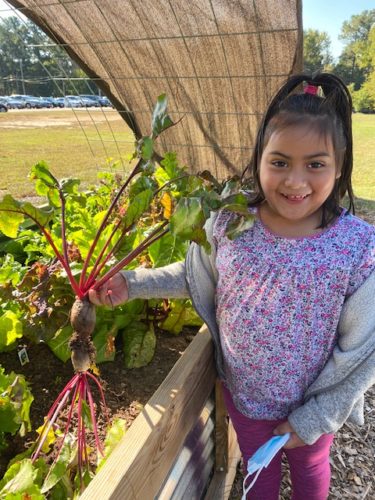
Maria is a student currently at G.H Reid Elementary school in Richmond, VA. Our Hope In Action funds helped them create a functional garden the students can participate in. Our coordinator, Sydney, tells a wonderful story:

“Maria was having a tough morning a few weeks ago, and her teacher asked if I could spend some time with her so she could have a break from the classroom. I was watering the garden at the time, so I asked Maria if she’d be interested in helping me.”

“While we tended the garden, I taught Maria about the different parts of the plants (leaves, roots, stems) and showed her how to water directly at the roots. We found some beets that were ready, so she pulled them up. Afterward, I called her mom to see if they would eat beets at home. Her mom was so excited; she happily accepted! Maria took the beets home with her that day.”

G.H Reid Peace garden

In Washington D.C, our coordinator at G.H Reid proposed a noble project: a peace garden in memory of a student lost to gun violence. This garden became a joyful location for students to come and reflect in nature. We were honored to be part of such a task. Through our Hope In Action fund, and a local gardener who agreed to take on the project, students now have a beautiful place to reflect and remember.

Garden projects return immediate, visible results: healthier plates, new skills, and stronger communities. They’re a cost-effective way to connect education, nutrition, and community development — and a clear example of how a small investment can grow long-term change.

kids hope in gardens

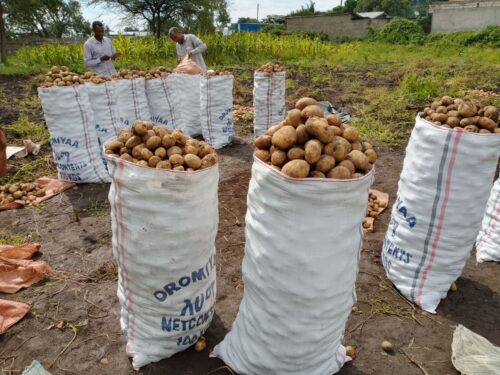
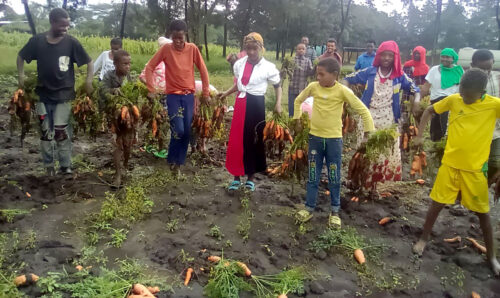
At Kids Hope Ethiopia community gardens are a staple for the students and community. Using Hope in Action funds over 6 years ago, what began with one plot of corn has grown into a highly efficient food production for the school. Sweet potatoes, carrots, teff flour, and many other staples are used to feed the students that attend Kids Hope as well as their families.

Projects like community gardens give confidence, purpose, and freedom to children living in poverty. When you grow your own food you have the chance to experience self-sufficiency as well as pride in the accomplishment. But beginning a garden is not always simple. That’s where our Hope In Action and Feeding Programs are incredibly vital. They ensure schools who have the desire will have everything needed to begin and sustain gardens. Your donations to our programs provide direct and lasting impact to children around the world.

***

You can plant a seed in a small patch of soil and watch a child grow. Join Us in Making a Difference

These stories reveal just a glimpse of your support’s impact. Will you help us write the next story?

You can sponsor a child in one of three ways:

  • Click Here to go online to visit our sponsorship portal and search for a child that is available for sponsorship
  • call our office at 1-800-538-5381 and speak with a real person in our sponsorship department
  • email us at sponsorship@children-inc.org

SPONSOR A CHILD

Is there a difference between child sponsorship and sponsoring a child?

In most cases, there is no major difference between child sponsorship and sponsoring a child. People often use the two phrases to mean the same thing: making a recurring donation to help provide support for a child in need.

The difference is mostly in how the terms are used.

Child sponsorship usually refers to the program or giving model.
Sponsoring a child usually refers to the action a donor takes.

So, when someone says they are interested in child sponsorship, they are usually researching how these programs work. When someone says they want to sponsor a child, they are usually ready to take action.

Both terms point to the same generous goal: helping a child receive the resources, encouragement, and opportunity they need to thrive.

What is child sponsorship?

Child sponsorship is a charitable giving program that allows donors to provide ongoing support for a child living in poverty or facing difficult circumstances.

In a child sponsorship program, a sponsor typically gives a monthly donation. That donation helps provide practical resources such as:

  • Food
  • Clothing
  • Shoes
  • School supplies
  • Hygiene items
  • Educational support
  • Emergency assistance when available
  • Other essentials based on the child’s needs

Child sponsorship is different from a one-time donation because it is designed to provide consistent help over time. That consistency matters. Children’s needs do not happen only once. They may need school supplies in the fall, warm clothing in the winter, food support during the year, or help with other essentials as needs arise.

In this sense, child sponsorship is the structure that makes ongoing support possible.

What does sponsoring a child mean?

Sponsoring a child means choosing to participate in a child sponsorship program.

It is the donor’s action.

When you sponsor a child, you are making a commitment to support that child through regular giving. Depending on the organization, you may be able to choose a specific child, learn about their circumstances, and receive updates over time.

Sponsoring a child is personal. It allows a donor to move from a general desire to help children to a specific act of generosity.

Instead of simply asking, “How can I help children in need?” the donor is saying, “I want to help this child.”

The simple difference

The simplest way to understand the difference is this:

Child sponsorship is the program. Sponsoring a child is the action.

You can think of it this way:

Term Meaning Example
Child sponsorship The giving model or program “Children Incorporated offers a child sponsorship program.”
Sponsoring a child The donor’s act of giving “I am sponsoring a child for $35 a month.”
Sponsor a child The call to action “Sponsor a child today.”

The distinction is small, but it can be helpful when you are researching charities or deciding how you want to give.

Why do people use both terms?

People use both terms because they are often at different stages of the giving journey.

Someone searching for child sponsorship may be trying to understand the concept. They may want to know whether child sponsorship is legitimate, how it works, what the money provides, and how to choose a trustworthy organization.

Someone searching for sponsoring a child may be closer to making a donation. They may already understand the basic idea and now want to know how to get started.

Someone searching for sponsor a child is often looking for a direct way to take action.

The words are slightly different, but the intent is closely related.

Is child sponsorship the same as adoption?

No. Child sponsorship is not the same as adoption.

Adoption is a legal process that permanently changes a child’s family relationship. Child sponsorship is a charitable giving relationship. A sponsor provides financial support through a nonprofit organization, but the child remains with their family, guardian, school, community, or care program.

This distinction is important. Sponsoring a child does not give the sponsor legal responsibility for the child. Instead, it allows the sponsor to help provide resources that support the child’s well-being and development.

Is sponsoring a child the same as sponsoring an orphan?

Not always.

Many people search for phrases like “sponsor an orphan” because they want to help a vulnerable child. However, not every child in a sponsorship program is an orphan.

Some sponsored children may have lost one or both parents. Others may live with parents, grandparents, relatives, guardians, or caregivers who are struggling financially. Many children in sponsorship programs are there because poverty creates serious barriers to education, health, safety, and basic daily needs.

That is why “sponsoring a child” is often the more accurate phrase. It includes orphans, but it also includes many other children who need support.

How does child sponsorship help?

Child sponsorship helps by meeting real, practical needs.

For a child living in poverty, small things can make a big difference. A pair of shoes can help a child attend school comfortably. School supplies can help a child participate in class. Food support can reduce stress at home. Warm clothing can help a child get through the winter safely.

Sponsorship can also provide something less visible but just as important: encouragement.

When a child knows someone cares about their future, that support can be deeply meaningful. Sponsorship tells a child that they are not forgotten, that their needs matter, and that someone believes in their potential.

Why monthly sponsorship matters

Monthly sponsorship matters because it creates consistency.

A one-time donation can be helpful, but children’s needs change throughout the year. Ongoing sponsorship allows local program partners to respond to those changing needs as they arise.

That might mean school supplies at the beginning of the school year, clothing when seasons change, hygiene items when a child needs them, or emergency help during a difficult moment.

Consistent giving gives child sponsorship programs the ability to plan, respond, and support children in a more stable way.

What should you look for in a child sponsorship program?

Whether you call it child sponsorship or sponsoring a child, choosing the right organization matters.

Before you sponsor a child, look for a charity that is:

  • Transparent about how donations are used
  • Clear about what sponsorship provides
  • Focused on the child’s actual needs
  • Respectful of each child’s dignity and privacy
  • Accountable through financial reporting
  • Experienced in working with children and local partners
  • Committed to long-term support, not just short-term giving

A trustworthy child sponsorship organization should make it easy to understand how the program works and how your support helps.

How Children Incorporated approaches child sponsorship

Children Incorporated connects sponsors with children living in poverty in the United States and around the world. Through monthly sponsorship, donors help provide children with essentials such as food, clothing, school supplies, and educational resources.

For donors, sponsoring a child through Children Incorporated is a direct and personal way to help. For children, sponsorship can provide practical support, encouragement, and access to resources that help them learn and grow.

The goal is simple: to give children the opportunity, dignity, and support they deserve.

So, which phrase should you use?

You can use either phrase.

If you are talking about the overall model, child sponsorship is usually the better term.

If you are talking about what a donor does, sponsoring a child or sponsor a child is usually more natural.

For example:

  • “Child sponsorship helps provide ongoing support to children in need.”
  • “Sponsoring a child is a meaningful way to make a personal difference.”
  • “You can sponsor a child through Children Incorporated for monthly support.”

In everyday conversation, though, most people will understand all three phrases to mean the same thing.

The bottom line

The difference between child sponsorship and sponsoring a child is mostly grammatical.

Child sponsorship is the program.
Sponsoring a child is the act of joining that program.
Sponsor a child is the invitation to begin.

What matters most is not which phrase you use, but the impact behind it. When you sponsor a child, you help provide consistent support that can make daily life easier, school more accessible, and the future more hopeful.

Sponsor a child with Children Incorporated

If you are ready to help a child in need, Children Incorporated makes sponsorship simple and meaningful. Your monthly support can help provide essentials such as food, clothing, school supplies, and educational resources to a child living in poverty.

Sponsor a child today and help give a child the support they need to grow, learn, and thrive.


FAQs

Is child sponsorship the same as sponsoring a child?

Yes, in most cases the phrases mean the same thing. The small difference is that child sponsorship refers to the giving program, while sponsoring a child refers to the donor’s action of joining that program.

What does child sponsorship mean?

Child sponsorship is a charitable giving model where a donor provides ongoing support to help a child in need. Sponsorship often helps provide food, clothing, school supplies, educational support, and other essentials.

What does sponsoring a child mean?

Sponsoring a child means making a recurring donation through a nonprofit organization to help support a specific child or children in need.

Is sponsoring a child the same as adoption?

No. Sponsoring a child is not adoption. Adoption is a legal process. Child sponsorship is a charitable relationship that helps provide support while the child remains with their family, guardian, school, community, or care program.

Can I sponsor an orphan?

Some child sponsorship programs may support orphans, but many sponsored children are not technically orphans. Sponsorship can also help children living with parents, relatives, guardians, or caregivers who are experiencing poverty.

Why should I sponsor a child monthly?

Monthly sponsorship provides consistent support. This helps child sponsorship programs respond to a child’s changing needs throughout the year, including school supplies, clothing, food, hygiene items, and other essentials.

What is the best way to sponsor a child?

The best way to sponsor a child is to choose a trusted nonprofit organization that is transparent, accountable, and focused on meeting children’s real needs with dignity and care.

Story Series

Read More

written by Children Incorporated

We provide children living in poverty with education, hope and opportunity so they have the chance for a brighter future. Thanks to past and current supporters around the globe, we work with 225 affiliated sites in 20 countries to offer basic needs, emergency relief, and community support to thousands of children and their families each year.

» more of Children's stories

During recent visits to our affiliated sites in Kenya and Ethiopia, we were again reminded of the profound difference sponsorship makes in the lives of children and their families. Our international team witnessed not only the challenges these communities face, but also the resilience and opportunities created through the support of our sponsors.

Kenya: Nurturing Dreams Through Education and Care

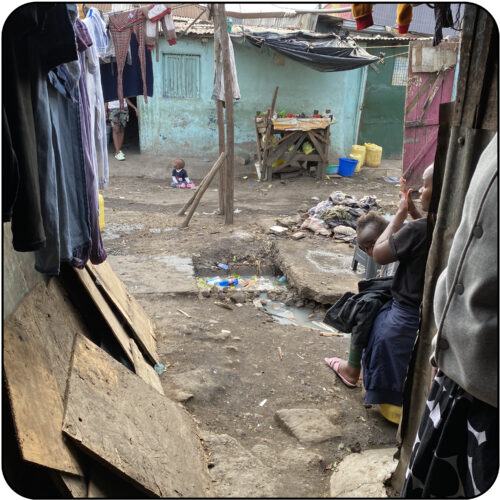
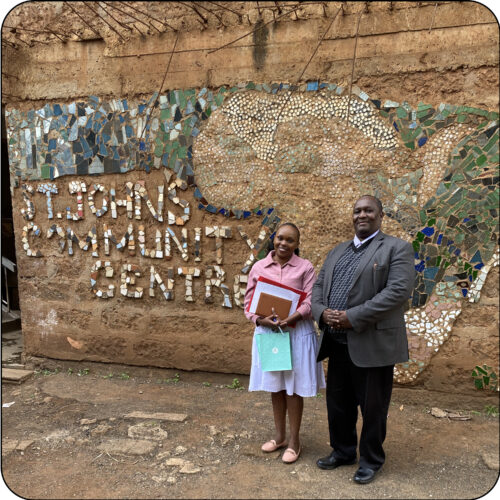
In Nairobi, St. John’s Community Center has provided education and care since 1977, and Children Incorporated has partnered with them since 1983. Like many urban centers in developing countries, Nairobi is plagued by a severe shortage of healthcare workers, which contributes to lower life expectancies, high infant mortality rates, and widespread preventable disease. These maladies are perhaps most pronounced in Nairobi’s poorest and most dangerous neighborhood, Pumwani. Challenged with extreme poverty, disease, and crime, this area is home to thousands of children in desperate need of assistance.

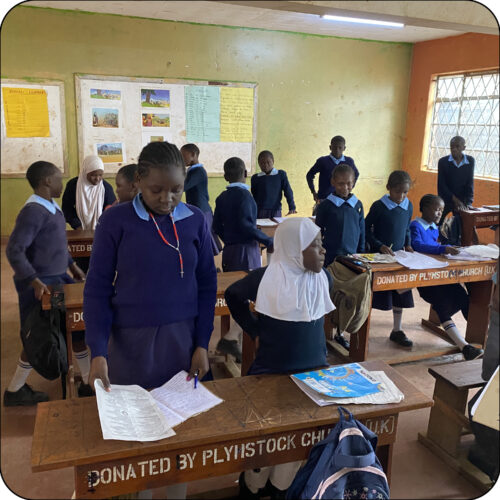
St. John’s Community Center serves as a safe haven and a beacon of hope. Here, sponsorship covers school fees, meals, and essential school supplies, while also offering students practical training in carpentry, crafts, and dressmaking. Currently, there are six children at St. John’s Community Center waiting to be sponsored.

SUCCESS STORY

We were thrilled to meet one of our former sponsored children, who shared the following success story with us:

From 2001 to 2006, I was a student at St. John’s Community Center. Since then I have earned​ a bachelor’s degree in social statistics from Karatina University in 2017 with a​ second​ class upper (second best level of achievement).

​I currently work for the “Together For Safe Children” program in Kajiado County, Kenya, as a certified Monitoring and Evaluation Officer.

Thank you and God bless you for supporting me when I was young. My dream came true!

Ezekiel


Empowering Girls and Young Women in Nairobi, Kenya

In the bustling outskirts of Nairobi, a beacon of hope stands strong: the Msamaria Mwema Center. Established in 1986, this rescue and rehabilitation center is dedicated to empowering orphans and vulnerable women and children. They work to provide a stable foundation through education, vocational training, and basic needs like shelter and nutritious food.

While Kenya has made significant strides in gender equality, deep-seated social, economic, and cultural challenges persist, particularly in Nairobi’s marginalized communities. These issues put girls and young women in a vulnerable position, which is why the work of centers like Msamaria Mwema is so vital.

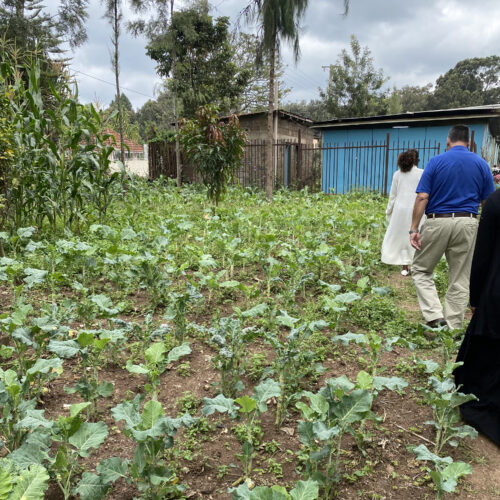
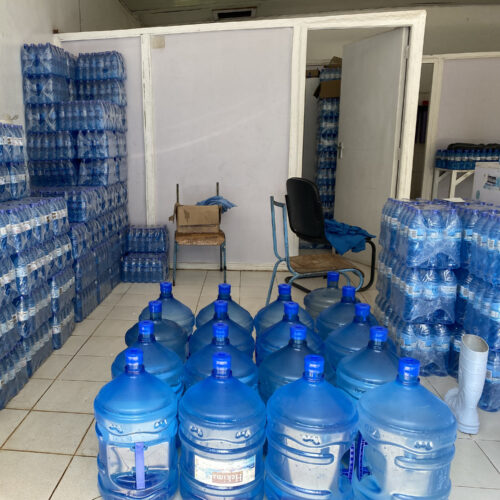
We are incredibly proud to partner with the Msamaria Mwema Center. Currently, sixty children call the boarding home their safe haven, and our sponsorships support more than half of them. Beyond the essentials of food, clothing, and education, the center also sustains itself through its own farming and a water purification project, showing a remarkable commitment to self-sufficiency.
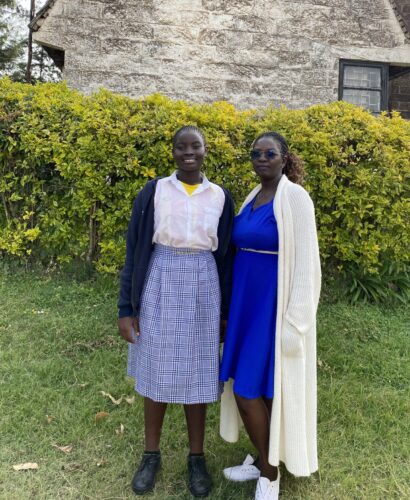


During our visit, we had the privilege of meeting Faith, a brilliant high school student. Her father expressed his profound gratitude for the sponsorship that is helping Faith pursue her dream of attending college; a dream that might have been out of reach due to their family’s hardships. Its stories like Faith’s remind us of the powerful, lasting impact we can have when we invest in the future of a child.
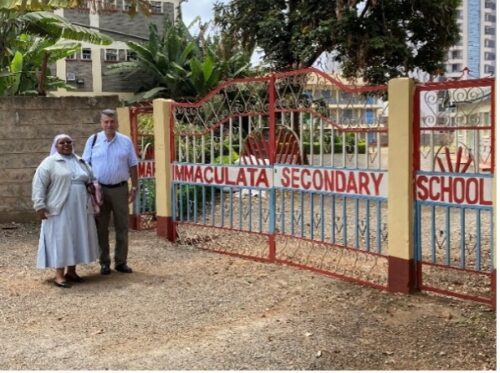
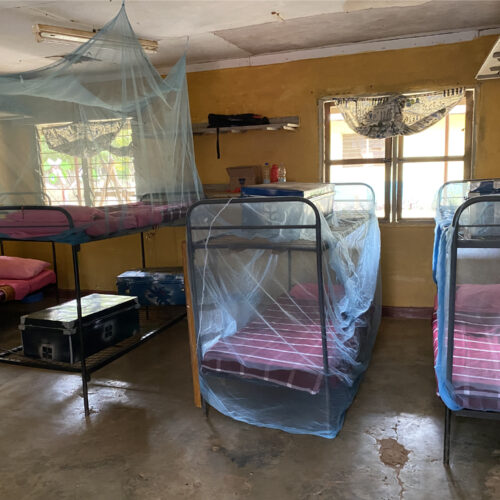
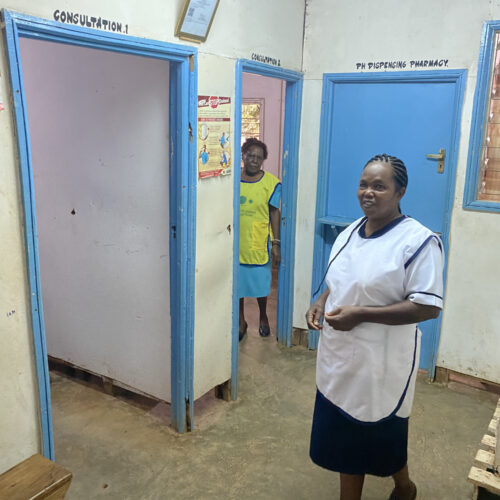


The Maria Immaculata Centre serves more than 600 children, many of whom were rescued from the streets, or come from families unable to provide for their education. Since 2010, sponsorship has supported both boarding and day students with food, clothing, and school supplies. Under the dedicated care of Sisters Jane Nzioka and Jane Muiga, the center has expanded with new dormitories, a computer lab, a library, and modernized facilities—growth made possible thanks to the generosity of sponsors and community support.


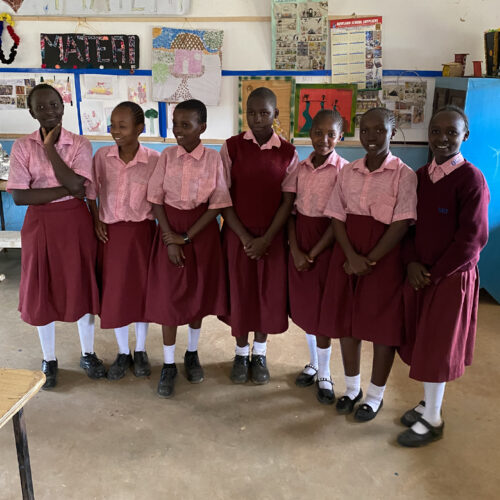
Further from Nairobi, the Materi Girls’ School in Tunyai offers a home and education to 800 girls. Founded in 1973, the school continues to thrive. Sponsorship covers food, supplies, and healthcare through its on-site medical dispensary. The girls also benefit from the school’s gardens and livestock, which provide food and income. For many students, sponsorship ensures their basic needs are met so they can focus on their studies and future ambitions.

At the Dandora Community Centre, also in Nairobi, more than 230 children are enrolled, nearly all of them are sponsored directly through Children Incorporated. Although city disturbances prevented us from visiting in person, our virtual meeting with the coordinator confirmed that sponsorship continues to provide a lifeline, keeping children in school and providing the resources they need to grow and succeed.

Ethiopia: Building Brighter Futures


Poverty in Ethiopia remains a complex issue shaped by economic, environmental, social, and political factors. While the country has made significant progress in reducing poverty in recent decades, children and families still face daily hardships. 

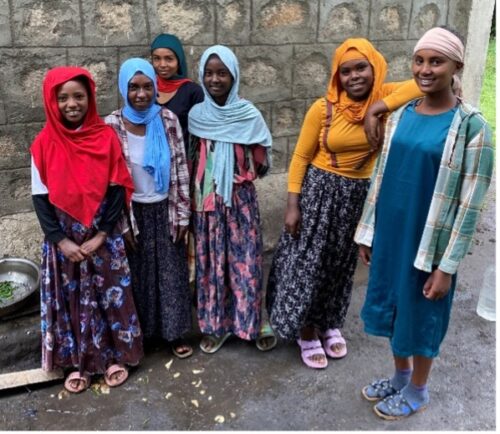
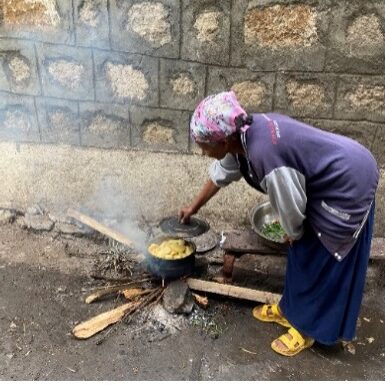
In Ethiopia, the impact of sponsorship is profound. At Kids’ Hope Ethiopia in Shashemene, sponsorship is transforming lives. Thanks to this support, 25 children now receive daily meals, school supplies, and access to education. Their meals, often the most substantial food they eat all day, feature vegetables, potatoes, lentils, and injera, Ethiopia’s traditional flatbread.

To boost their nutrition, the center was able to purchase a cow, which provides a glass of milk for each child every other day. They also receive a small portion of meat once a week in their lunch, ensuring a vital source of protein.

For many parents, this support is a life-changer. They often express deep gratitude for how sponsorship eases their burden and guarantees their children a filling, nutritious meal every single day.


In Addis Ababa, the nation’s capital, the Rainbow “Erdata” Center cares for 56 children, most from single-parent households where mothers work tirelessly to make ends meet. Sponsorship here helps cover food and school expenses, giving children the chance to focus on learning.

We were especially inspired by Fiker

Fiker is a former sponsored child who is now completing her degree in Business Management and preparing for graduation—an incredible testament to how support today builds a brighter tomorrow.

Thank you sponsors and donors!

Each visit reminds us that sponsorship provides more than just financial assistance—it offers hope, stability, and opportunity. Whether through education, healthcare, or the simple encouragement of knowing someone cares, children are growing into capable, hopeful young adults. To our sponsors: your support is the reason these stories exist. Thank you for walking alongside these children on their journey to a brighter future.

***

Join Us in Making a Difference

These stories reveal just a glimpse of your support’s impact. Will you help us write the next story?

You can sponsor a child in one of three ways:

SPONSOR A CHILD

This August marks 20 years since Hurricane Katrina devastated the Gulf Coast, forever altering the landscape of New Orleans and the lives of its residents. The storm made landfall on August 29, 2005, breaching levees, flooding neighborhoods, and displacing hundreds of thousands of people. Among those hit hardest were school-aged children, who found themselves suddenly without homes, classrooms, or the routines that once gave them a sense of stability.

In the immediate aftermath of the storm, the city’s public education system was in shambles. Of New Orleans’ 128 public school buildings, 100 were destroyed or rendered unusable. The 2005–2006 school year came to a standstill. By November 2005, fewer than 10 schools had reopened. By December of the following year, just 55 public schools were operating-  less than half of the city’s original total.

It wasn’t just the physical infrastructure that changed, the state of Louisiana took control of most of the city’s public schools. This move began a sweeping, and controversial, transformation of the city’s education system. All edu­ca­tors were fired, and the union con­tract was allowed to expire. Almost all atten­dance zones were elim­i­nat­ed so that fam­i­lies, in prin­ci­ple, could choose any pub­licly fund­ed school in the city.

This new system brought both opportunities and challenges. Supporters pointed to academic gains and increased school choice for families. Critics raised concerns about equity, oversight, and long-term community involvement. What remained constant, however, was the need for ongoing support—especially for students from low-income families who were navigating trauma, poverty, and systemic change all at once.

It was during this pivotal time that Children Incorporated began its work in New Orleans.

In 2007 Ron Carter—our Assistant Director of Appalachian Programs and newly appointed Director of Urban Programs—was expanding Children Incorporated’s reach into urban areas. He had just launched our very first partnership with Communities In Schools in Richmond, Virginia, and saw a similar opportunity in Louisiana. Recognizing the urgent needs following the storm, Children Incorporated reached out to Communities In Schools of New Orleans, where he connected with then-Executive Director Sara Massey. After many thoughtful conversations and a thorough vetting process, Sara saw that Children Incorporated would be a reliable and compassionate partner in rebuilding student support systems.

Thanks to Ron’s dedication, Children Incorporated established its first affiliated site in New Orleans: Martin Luther King Jr. Elementary. This was quickly followed by additional school partnerships at four other schools, allowing us to support even more students through one of the most challenging periods in the city’s history.

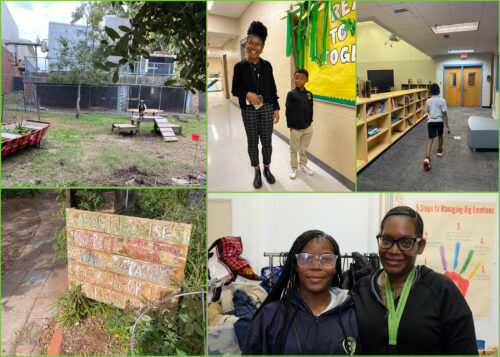
Over the years, Children Incorporated has supplied essential resources such as school uniforms, shoes, hygiene products, rain gear, and books to students. These supports help reduce barriers so children can attend regularly and participate effectively. Through sponsorship and site-coordinator partnerships, Children Incorporated has provided winter coats, laptop computers, food deliveries, and even utility bill assistance to families. In one school, Children Incorporated helped students establish an edible garden, where children grew fruits and vegetables for cooking classes—housing hands-on learning, nutrition exposure, and teamwork.

Today, we’re proud to continue that legacy through our ongoing partnership with Communities In Schools Gulf South.

By the end of the state takeover 13 years lat­er, all of the city’s schools were con­vert­ed to char­ter schools, and New Orleans schools were reuni­fied into one dis­trict gov­erned by the local school board and super­in­ten­dent. By 2015, it became the first major U.S. city to have a school system composed entirely of charter schools. While the city’s school system has evolved dramatically over the last 20 years, one thing hasn’t changed: the need for consistent, personalized support for students who are overcoming the odds—both in school and in life.

As we reflect on the anniversary of Hurricane Katrina, we honor the resilience of New Orleans and the strength of its students, families, and educators. We also recognize the importance of long-term partnerships and the role each of us can play in building brighter futures—no matter what storms may come.

Citation Sources:

***

Want to be part of a story that’s still unfolding?

You can sponsor a child in one of three ways:

SPONSOR A CHILD

To all,

I have been employed by Children Incorporated since February of 2003, and I have served as President and Chief Executive Officer since April of 2012. I consider myself among the most blessed and fortunate people on earth to have spent the last twenty-two years doing work that I absolutely love and believe in, the work of Children Incorporated.

Now, the time has come for me to step aside and enjoy my retirement, and allow a new leader to guide this wonderful organization.

After over a year of intense deliberation, as well as many deep discussions and countless hours of considerations, our Board of Directors has selected and approved my successor, and I could not be happier with their choice. The person selected to replace me as President and Chief Executive Officer has history with Children Incorporated, knows and respects the uniqueness of the organization, and also has the passion and drive to lead Children Incorporated forward. She is also known, trusted, and valued by many of you. The person approved to become the fifth President and Chief Executive Officer of Children Incorporated is Elizabeth Collins, our current board-chair.

Liz worked for Children Incorporated from mid 2003 until the fall of 2010. She started work with us as the person who puts together child information packets for new sponsors, but Liz quickly moved into the marketing division, where she served as Director of Marketing for most of her first tenure with Children Incorporated. Liz left our organization in 2010 following the birth of her son Noah, though she continued as a sponsor and maintained relationships with a number of staff  members. Liz joined our Board of Directors in 2013, and in 2014, when our previous board-chair died from brain cancer, Liz agreed to take over that position. She has served as board-chair for approximately eleven years at this point, and in that role, she has been an incredible asset to me. It is with Liz that I have shared complicated work issues, and Liz has helped me deal with legal matters, sponsor and donor concerns, and personnel issues over the years. Liz is bright, practical, logical, progressive, and I am confident that she will become a great leader for Children Incorporated. Liz is simply an incredible person, and I am convinced that she is the right one to step into my shoes as President and Chief Executive Officer of Children Incorporated.

Liz will join our staff in her new role at the start of August, and she and I will work together throughout that month and September as she embraces her new responsibilities. I will end my time as President and Chief Executive Officer of Children Incorporated at the end of September 2025, though I plan to continue to support the valuable and life-changing work of the organization and stay in touch with Children Incorporated in the days and years ahead. I covet your best wishes and prayers as I move into the next phase of my life, and I ask you, most sincerely, to keep Children Incorporated on your list of organizations to support. It is, in my informed opinion, one of the most dependable, effective, well-run, and honest charities on earth.

Thank you for the years, 

Ronald H. Carter

President and Chief Executive Officer 

News

Read More

written by Children Incorporated

We provide children living in poverty with education, hope and opportunity so they have the chance for a brighter future. Thanks to past and current supporters around the globe, we work with 225 affiliated sites in 20 countries to offer basic needs, emergency relief, and community support to thousands of children and their families each year.

» more of Children's stories