Tag Archives: sponsors

At its heart, literacy is about possibility. It’s about giving a child the tools to learn, to dream, and to choose their own path forward. When we invest in literacy early, especially in underserved communities, we aren’t just teaching children how to read: we are helping them write a different future.

current literacy issues

79% of adults in the U.S. are functionally literate. That means roughly one in five adults struggle with basic reading and writing skills past a sixth grade level. That number is staggering. Literacy affects so much more than the person, it affects whole families, communities, and entire countries.

  • 20% of Americans read below the level needed to earn a living wage.
  • Almost half the adults in the U.S. earn well below the poverty level because of their inability to read.
  • Illiteracy costs U.S. taxpayers an estimated $20 billion each year.
  • Across Latin America and the Caribbean, an estimated 28 million young people cannot read or write, and rural communities bear the brunt of this inequality.


Book Fairs and their impact

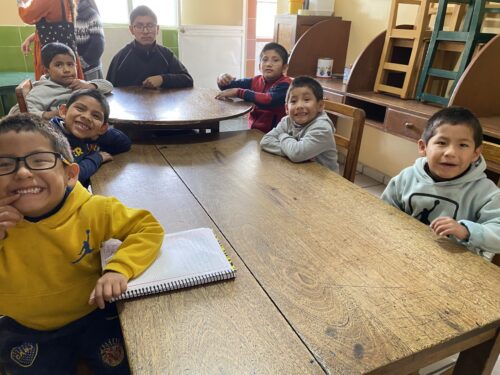
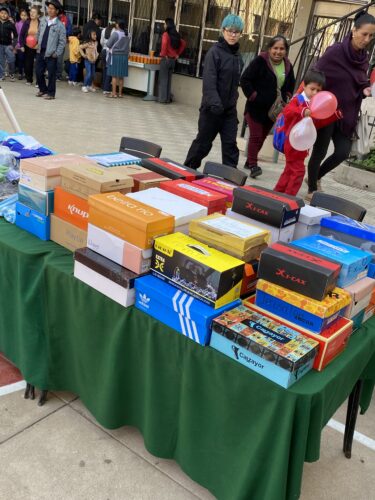
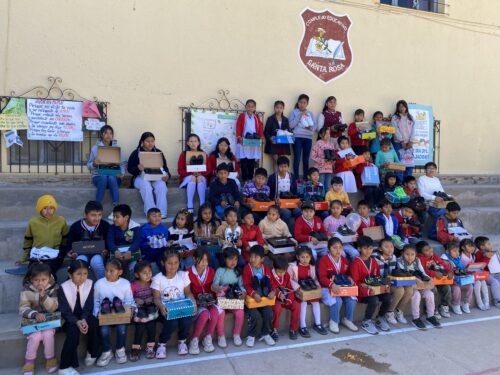
For many children, a book fair is a moment of excitement. Colorful displays, new stories, and the joy of choosing a book that feels like it was meant just for them. But for children growing up in underserved communities, book fairs are much more than a special event. They are a meaningful literacy intervention and, in many cases, a child’s first opportunity to truly own a book.

In communities facing persistent poverty, from rural areas of Kentucky and inner-city neighborhoods, to the Navajo Nation, New Orleans, and remote regions abroad, access to books is not guaranteed. Homes may have few, if any, age-appropriate reading materials. Libraries can be far away or under-resourced. Schools often stretch limited budgets just to meet basic needs. As a result, many children fall behind in reading not because they lack ability or motivation, but because they lack access.

This is where book fairs matter.

Research consistently shows that children who have books at home read more, develop stronger vocabulary, and build confidence as learners. Book fairs help bridge the gap between school and home by putting books directly into children’s hands, books they choose themselves, books they are excited to read, and books they can return to again and again. That sense of ownership is powerful. It transforms reading from an assignment into a personal experience.

Book fairs also play a critical role during the early years of education, when literacy development has the greatest long-term impact. Children who are not reading proficiently by third grade are significantly more likely to struggle academically in later years. In underserved communities, where educational setbacks are often compounded by economic stress, early literacy support can change the course of a child’s entire educational journey.

Beyond early childhood, book fairs reinforce the idea that reading has value: that stories matter, learning matters, and the child matters. For students who may feel overlooked or underestimated, choosing a book can be an affirming experience. It tells them that their curiosity is worth nurturing and that their education is something to invest in.

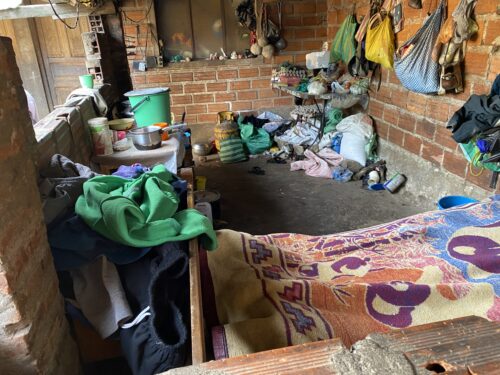
Internationally, the impact is just as meaningful. In remote areas of South America and other underserved regions, access to books can be especially limited by geography and infrastructure. Book fairs and book distribution initiatives help reach children who might otherwise have little exposure to reading materials beyond a classroom setting. Even in countries where national literacy rates appear strong, rural and indigenous communities often face hidden barriers that make access to books inconsistent or unreliable. In these settings, a single book can spark a lifelong love of reading.

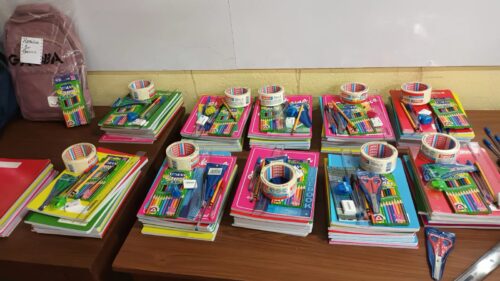
What makes book fairs especially effective is how they work in partnership with broader educational support. When paired with school supplies, meals, encouragement from teachers and coordinators, and the stability that sponsorship provides, book fairs become part of a larger system that helps children stay engaged in school and continue learning despite the challenges they face.

At their core, book fairs represent something simple but profound: opportunity. They meet children where they are and give them tools to move forward. They remind students that learning can be joyful, personal, and empowering.

When we invest in book fairs, we invest in literacy, and when we invest in literacy, we invest in a child’s future. Every book placed in a child’s hands is a step toward confidence, independence, and possibility. For children in underserved communities, that step can make all the difference.

books at the dorm

Many Native American students live in such remote areas that they spend most of the academic year in dormitories. Although not all students board, these residential programs make it possible for many young people to receive the education they need and deserve. Children Incorporated, through our sponsorship program and generous donations from caring individuals, helps ensure they have the supplies they need to grow and thrive in these settings.

Over the summer, staff at Dzilth Community School in New Mexico shared a simple but powerful request: more books. Not just “educational” titles, but fun, engaging stories that spark curiosity and make kids want to read.

Our Hope in Action Fund exists for exactly this reason. With donations to this fund, we provided small bookcase libraries for the residential buildings, giving students easy access to books. These new libraries have already inspired more reading and kindled the students’ interest in learning.

vending machines

At many schools a quiet and exciting addition to resource classrooms is being delivered. Through grant funding and community sponsorship, we have several schools within our program that have been gifted book vending machines. These do not operate on money, but rather coins that are distributed to students as a reward for a myriad of positive reasons. Keeping a good grade in a subject, helping others, positive attitudes, all are joyous reasons to be rewarded with a chance to choose a book from the machine.

Besides being a fun tool, there are drastically important cognitive lessons at play with book vending machines. Besides being a healthy reward, it gives a child positive reinforcement, they allow them the control of picking their own item, as well as a chance to express themselves with the choice they make. To them, it isn’t about literacy, it is about the freedom of getting to make your own decision and being acknowledged for their hard work, which carries a tremendous weight in the positive growth of the child, especially one living in poverty.

Children Incorporated has been able to participate as well by providing funding for more books as they are needed through our Hope In Action Fund. As more and more of these book cases are installed in schools around the country we will continue to provide resources for as long as possible.


Thank you sponsors and donors!

Sponsorship provides more than just financial assistance—it offers hope, stability, and opportunity. Whether through education, healthcare, or the simple encouragement of knowing someone cares, children are growing into capable, hopeful young adults. To our sponsors: your support is the reason these opportunities exist. Thank you for walking alongside these children on their journey to a brighter future.

***

Join Us in Making a Difference

These stories reveal just a glimpse of your support’s impact. Will you help us write the next story?

You can sponsor a child in one of three ways:

SPONSOR A CHILD


Sources: https://www.thenationalliteracyinstitute.com/2024-2025-literacy-statistics?

Dear Friends,

Hunger isn’t just an inconvenience — it remains one of the most persistent barriers that dims a child’s chance to succeed. Around the world, millions of children struggle with food insecurity, and too many families don’t know where their next meal will come from.

Across the United States and around the world, children in poverty face a challenge no child should have to navigate: hunger. For too many families across the United States and abroad, the cost of food competes with rent, utilities, school supplies, and basic health needs. Children feel those sacrifices most. When kids don’t know when they will eat again, their ability to focus, grow, and thrive begins to slip away.

For over six decades, we have joined forces with local schools and community organizations to make sure children receive the nourishment they need, not only during the school day, but also on weekends, during school breaks, and in seasons of crisis, so hunger does not get the final say in a child’s future.

How the Feeding Program Works

IN THE UNITED STATES
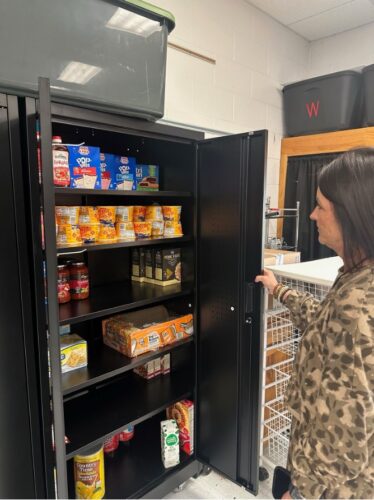
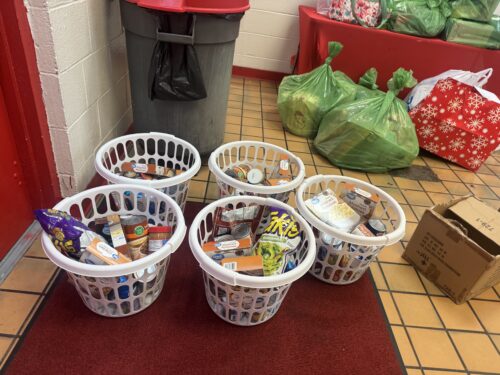
Children take home bags of nutritious, non-perishable food from school on Fridays. This ensures they have meals throughout the weekend when free and reduced‑price school meals pause.
For families already stretched thin, these bags offer reassurance that their children will not face long gaps between meals. A $50 donation can can provide a filled backpack for a month. Could you find it in your heart to donate this amount for a child needing food?

AROUND THE WORLD
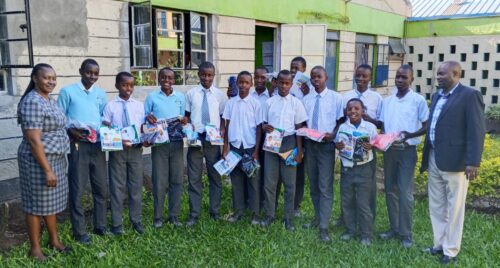
The Feeding Program provides daily meals or essential food supplies at partner schools in countries such as Guatemala, the Philippines, Kenya, and Ethiopia. Your $100 donation can fund a partner school’s nutrition program for an entire week.
In many of these communities, these meals are the most reliable nutrition a child receives, giving them the physical energy and mental focus they need to learn and grow.

Why this work matters now

Hunger remains one of the most persistent barriers to a child’s well-being and education. In America alone, millions of children face food insecurity​, going without adequate nutrition because their families simply cannot afford it. Globally, lack of food and proper nutrition contributes to stunted growth, weakened immune systems, and limited opportunities for children desperately trying to rise above poverty.

Without consistent access to food, children aren’t just hungry​, they’re at risk of falling behind in school, struggling with health issues, and losing confidence in their ability to succeed.

Here’s what your generosity can do

$25 – A week of school meals for one child.
$50 – One month of weekend food packages for a family in need.
$100 – Supplies can be purchased for the sustainment of community gardens.
$350 – Nutrition support for multiple unsponsored children in a high-need area.
$1000 – Long term nutrition support for an entire international school and their families.

What your gift means in Action

  • Food packages sent home on weekends or holidays give families peace of mind, so kids don’t go hungry when school isn’t in session.
  • Through our global network of local partners and volunteer coordinators, every dollar goes directly to putting nutritious food into the hands of children who need it — in the U.S. and abroad.

Today we ask that you stand with these children

When you give to the Feeding Program Fund, you join a compassionate community that refuses to let hunger dim a child’s potential. Consider making a gift to the Feeding Program Fund today. With every contribution, you help provide nourishment, stability, and opportunity to a child who is waiting for someone to care, someone like you.

Sincerely,

Liz Collins, President of Children Incorporated

Want to PARTICIPATE in our feeding program fund?

What is energy insecurity?

For many Southern families in the United States, winter brings more than a chill; it brings tough decisions. Energy insecurity (EI), a silent crisis affecting millions nationwide, often signifies an inability to meet heating, cooling, and energy needs. Low-income families, especially in rural areas, often face drafty homes and skyrocketing utility bills that outpace paychecks.

When the cold sets in, some must make heartbreaking “heat or eat” choices, spending what little they have on warmth or on food. In rural regions across Kentucky, West Virginia, and beyond, older homes and limited access to energy assistance leave families vulnerable to another bitter season.

The Impact of Cold Weather on Children

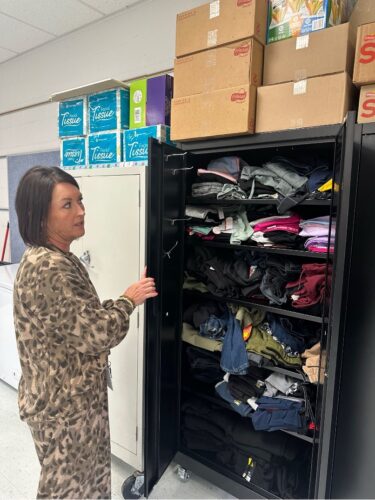
When temperatures drop, the challenge for our enrolled children extends far beyond just a  “chilly morning”. By lacking warm coats, shoes, or clothing, some students must miss school entirely, not by choice, but out of necessity. Missing school deepens existing attendance struggles, especially for children already living in poverty.

Helping provide warm clothing isn’t just about comfort; it’s about keeping children in class, connected, and ready to learn. A warm jacket can mean the difference between isolation and opportunity.

Climate and Inequality: When Weather Hits Harder

Extreme weather magnifies long-standing disparities in high-poverty, Black, and Hispanic neighborhoods, which already face structural barriers. When harsh heat or cold hits, those barriers grow higher, affecting health, school performance, and family stability.

Southern cities like New Orleans may see fewer winter storms than northern states, but when cold snaps hit, they hit hard. Older homes aren’t built to retain heat, and families living on thin margins have few safety nets. Even though New Orleans is in the South and bouts of cold weather are limited, the need for warm clothing is still their greatest need and the area in which our sponsors help children the most.

In the deep rural areas of Appalachia, steep mountain roads become treacherous when ice or snow arrives. When communities are cut off, students lose access not only to school but to the nutritious meals they depend on there. When significant winter weather hits, it is not an easy task to make the roads passable again – which limits the resources available to already struggling families.

Across North Carolina, from urban Raleigh to rural mountain towns, energy insecurity creates a health and learning risk. Studies find that households that must allocate more than a large share of income toward utilities are far more exposed to extreme temperature swings and health risks.

In the inner-city neighborhoods where we work in Washington, D.C., and Richmond, Virginia, winter brings a different kind of strain. Many families live in older buildings with inconsistent heat and rising utility costs. A stretch of freezing temperatures can mean crowded living spaces, missed school days, and parents forced to choose which bill to pay first. For children already navigating economic hardship, winter can interrupt learning, routine, and a sense of security.

How you can help

In times of hardship, whether from a cold snap, a family crisis, or ongoing energy insecurity, children need to know they are not alone. Through funds like Hope In Action and the Clothing Fund, our donors help provide warm coats, hats, gloves, emergency food, and other critical supplies when families need them most.

Working with trusted school partners and local volunteer coordinators who know their communities well, we quickly identify children who are struggling and respond with compassion and care. Your donations and sponsorship support helps them stay warm, stay in school, and stay focused on learning rather than survival.

Harsh winter conditions do not affect every family equally. Some can absorb the shock; others feel every degree of cold intensely. That is why your sponsorship and donations matter. When you give, you help a child stay warm, fed, and present in the classroom, and you invest in their future, building resilience and hope that last long after winter has passed.

***

How do I sponsor a child with Children Incorporated?

You can sponsor a child in one of three ways:

  • call our office at 1-800-538-5381 and speak with one of our staff members;
  • email us at sponsorship@children-inc.org; or
  • go online to our sponsorship portal, create an account, and search for a child in that is available for sponsorship.

SPONSOR A CHILD

Sleep is seen not just for rest, but as a real superpower that fuels learning, well-being, confidence, and connection. That is the core behind Beyond Bedtime, a non-profit that regularly partners with us at Children Incorporated. Children living in poverty and unsettled housing situations many times forgo sleep for safety. This affects their education, development, and overall well-being. On top of working to make sure they have basic needs, Children Incorporated strives to make sure more than just the basics can be provided. We do that with the help of dedicated partners, like Beyond Bedtime. Together we can make the world better for the children living in it.

How they Began

Beyond Bedtime, originally called The Pajama Program, was founded in 2001, and began with a simple but profound idea: every child deserves comfort and care at bedtime. What started as a simple act of collecting pajamas from friends and family grew into a national organization focused on sleep health, emotional well‑being, and healthy nighttime routines.

Today, Beyond Bedtime works with schools, shelters, foster care agencies, and nonprofit partners across the country to ensure children not only receive pajamas and books, but also the support and education needed to build positive bedtime habits that contribute to long‑term success. They are not just giving pajamas, but helping children, caregivers, and educators learn about healthy bedtime routines and sleep habits.

In 2025, the organization officially rebranded as Beyond Bedtime to better capture its broader mission: combining bedtime essentials and tools for nurturing healthy sleep for long-term well-being.

Why Pajamas Matter

Something as simple as a new pair of pajamas can make a meaningful difference. For children experiencing hardship, pajamas can:

  • Create a sense of normalcy and routine
  • Support better sleep and focus in school
  • Help children feel valued and cared for
  • Ease stress for families already facing difficult circumstances

When children sleep better, they are better equipped to learn, grow, and thrive.

A History of Working Together

Children Incorporated has been grateful to collaborate with Beyond Bedtime over the years. In 2008 the Pajama Program reached out to our the CEO Ron Carter to see how their program could help children enrolled in our program. At that time, donations were coming directly from the Pajama Program, but as they grew they began partnering with other groups to meet the ever growing need. For the last 17 years we have received donations not just from them, but from local churches, run clubs, PTA drives, and many other sources, all because of this amazing partnership. These donations are still helping families meet basic needs while reinforcing the importance of consistency, comfort, and care at home.

While Children Incorporated focuses on providing children with resources such as food, clothing, shelter, and education, Beyond Bedtime strengthens that foundation by supporting rest and routine—key elements of a child’s physical, emotional, and academic well‑being. And the past several years have been a wonderful testament to their mission. Working to ensure our sponsored children had opportunities this year they partnered us with a local church who in turn abundantly provided for local Richmond children. In the past week we were able to deliver over 300 pairs of pajamas to location children, some of which do not currently have sponsors and would not have received any assistance otherwise.

Looking Ahead

This recent pajama delivery is a reminder of what’s possible when organizations come together with a shared purpose. We are thankful for Beyond Bedtime’s continued generosity and commitment to children in need, and we are proud of the impact our collaboration has made—and will continue to make—in the lives of the children we serve.

Together, we’re helping children rest easier tonight so they can dream bigger tomorrow.

***

These stories reveal just a glimpse of your support’s impact. Will you help us write the next story?


You can sponsor a child in one of three ways:

  • Click Here to go online to visit our sponsorship portal and search for a child that is available for sponsorship
  • call our office at 1-800-538-5381 and speak with a real person in our sponsorship department
  • email us at sponsorship@children-inc.org

SPONSOR A CHILD

Across our programs, gardens are doing more than producing vegetables; they’re classrooms, kitchens, and places where confidence takes root.

Over the years, Children Incorporated has supported garden projects in schools, children’s homes, and communities around the world. These gardens provide fresh food for school cafeterias and families, teach agricultural and life skills, and create safe outdoor spaces where children learn responsibility and teamwork. From Ethiopia, Brazil, New Orleans, and Virginia, school gardens show how simple projects produce measurable benefits for children and communities.

Garden Benefits to Children

-Better nutrition, every week. Gardens supply fresh fruit and vegetables to school meals and to families, increasing access to healthy food. At Phyllis Wheatley Community School in New Orleans, they maintain an Edible Schoolyard garden, which students help to tend. Moreover, the school makes the fruits and vegetables available for students, their families, and community members monthly to take home.

“Our garden is both a classroom and a cafeteria — the children learn, the families eat, and everyone shares the harvest.” -Shayne Latter, CIS Gulf South

-Hands-on learning that sticks. Gardening teaches science, math, and planning through doing; that is best shown through Kids Hope’s garden. In 2016, the garden at Kids Hope Ethiopia began. Children Incorporated supported Kids Hope’s efforts to start a vegetable garden to be used for agricultural lessons as well as food production. This vegetable garden has been great for educational purposes for the children, while also offering them nutritional food. All the vegetables produced there are used in the Center’s kitchen.

-Family and community resilience. Communal gardens at centers like CARITAS in Brazil help families develop skills that support food security and small income projects. The families, along with their children, tend to the gardens, which teaches them all gardening skills. The parents become more self-sufficient when it comes to feeding their family. The families eat, share, and trade the vegetables with other families — and sometimes they sell them at a low cost to make a small profit!

-Emotional and social benefits. Raised beds, outdoor reading areas, and regular garden tasks build routine, pride, and cooperation among students and volunteers. At Pinon school in Arizona, we provided funds to purchase materials for the raised beds and fencing, and supplies including soil, fertilizer, seeds, and hand tools. Crops have been planted every spring, and it is used by the science teacher as well as the dormitory staff for instruction and enrichment activities for the children.

How do gardens help?

Maria is a student currently at G.H Reid Elementary school in Richmond, VA. Our Hope In Action funds helped them create a functional garden the students can participate in. Our coordinator, Sydney, tells a wonderful story:

“Maria was having a tough morning a few weeks ago, and her teacher asked if I could spend some time with her so she could have a break from the classroom. I was watering the garden at the time, so I asked Maria if she’d be interested in helping me.”

“While we tended the garden, I taught Maria about the different parts of the plants (leaves, roots, stems) and showed her how to water directly at the roots. We found some beets that were ready, so she pulled them up. Afterward, I called her mom to see if they would eat beets at home. Her mom was so excited; she happily accepted! Maria took the beets home with her that day.”

G.H Reid Peace garden

In Washington D.C, our coordinator at G.H Reid proposed a noble project: a peace garden in memory of a student lost to gun violence. This garden became a joyful location for students to come and reflect in nature. We were honored to be part of such a task. Through our Hope In Action fund, and a local gardener who agreed to take on the project, students now have a beautiful place to reflect and remember.

Garden projects return immediate, visible results: healthier plates, new skills, and stronger communities. They’re a cost-effective way to connect education, nutrition, and community development — and a clear example of how a small investment can grow long-term change.

kids hope in gardens

At Kids Hope Ethiopia community gardens are a staple for the students and community. Using Hope in Action funds over 6 years ago, what began with one plot of corn has grown into a highly efficient food production for the school. Sweet potatoes, carrots, teff flour, and many other staples are used to feed the students that attend Kids Hope as well as their families.

Projects like community gardens give confidence, purpose, and freedom to children living in poverty. When you grow your own food you have the chance to experience self-sufficiency as well as pride in the accomplishment. But beginning a garden is not always simple. That’s where our Hope In Action and Feeding Programs are incredibly vital. They ensure schools who have the desire will have everything needed to begin and sustain gardens. Your donations to our programs provide direct and lasting impact to children around the world.

***

You can plant a seed in a small patch of soil and watch a child grow. Join Us in Making a Difference

These stories reveal just a glimpse of your support’s impact. Will you help us write the next story?

You can sponsor a child in one of three ways:

  • Click Here to go online to visit our sponsorship portal and search for a child that is available for sponsorship
  • call our office at 1-800-538-5381 and speak with a real person in our sponsorship department
  • email us at sponsorship@children-inc.org

SPONSOR A CHILD

Hunger is defined by not having enough food to meet daily energy and nutritional needs. It is a problem that most often affects low-income families, because living in poverty means that people are often going without basic needs such as food, clothing, and adequate shelter.

In order for a child to have a chance at a bright future, they need to eat healthy meals every day. When they’re hungry, children are more likely to be hospitalized, and they face a higher risk of health conditions because they have weakened immune systems. A brain starved of vital nutrients is one that can’t concentrate, setting hungry kids up for failure in school.

Without enough food or proper nutrition, kids face a variety of setbacks that can derail their path out of poverty.

Even those who survive face lifelong consequences. Malnutrition can cause permanent damage to brain development and weaken the immune system, leaving children more vulnerable to disease. From developing countries to the United States, children and families don’t always have enough to eat.

Global hunger has declined significantly since the 1970s, when roughly one in four people experienced hunger. But the crisis is far from over.

How does poverty affect world hunger for kids?

Worldwide Child Hunger Facts

– Every year up to two million children die each year due to poor nutrition

– Today, one in 11 people in the world go hungry

– Approximately 28% of all children in developing countries are considered to be underweight, or have had their growth stunted as a result of malnutrition

– Worldwide, malnutrition causes nearly half of child deaths worldwide, yet most kids go untreated.

 National child hunger facts

 – In America, 1 in 8 households suffer from food insecurity, and don’t know where they will get their next meal from

– 85% of counties with the highest food insecurity are rural.

– Nearly 9 out of 10 high food insecurity counties are in the South, indicating regional disparities.

– For every 100 school lunch programs, there are only 87 breakfast sites, and just 36 summer food programs 

What Children Incorporated does to alleviate hunger for children
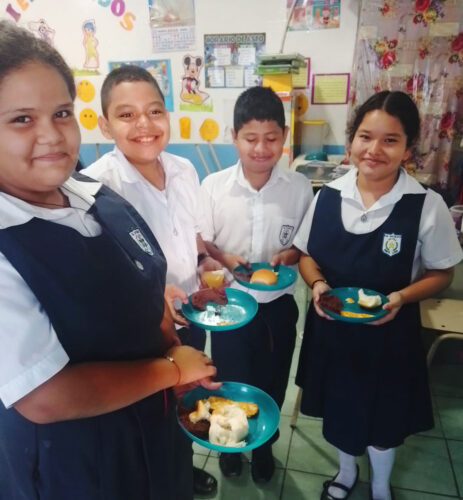
Donations to our Feeding Program provide meals for children around the world.

Children Incorporated provides basic necessities such as food, clothing, healthcare, and educational support to children living in poverty in the United States and abroad through our child sponsorship program. These essentials are vital to a child’s growth and success in school. We also assist feeding programs in the United States and internationally that ensure that children are receiving meals during the week, and that they are provided with food to take home on the weekends. Additionally, we make contributions toward school gardens so that children living in poverty have the opportunity to obtain fresh, nutritious food, which they would likely otherwise go without.

How you can help

You can help a child who faces hunger in a few different ways! The most long term way to help is by sponsoring a child with us. For $35 a month, you provide basic needs, including food, for a child in need, while also making an investment in their future.

Donating to our Feeding Program Fund is another immediate assistance to children around the world. In the US, donations support such endeavors such as our Backpack Feeding Program, which gives children in Eastern Kentucky food to take home on the weekends and in the summer when school is out. Internationally, our Feeding Program help feed enrolled children who would otherwise go hungry, so that they can be alert at school and ready to learn. These funds support programs in the Philippines, Kenya, and Ethiopia to buy grains, meats, vegetables, and cooking supplies to feed children.

***

WANT TO BE PART OF the worldwide solution?

-Donate to our Feeding Program today

-Sponsor a child in one of three ways:

SPONSOR A CHILD


___

References:

http://www.thp.org/knowledge-center/know-your-world-facts-about-hunger-poverty/

http://www.feedingamerica.org/hunger-in-america/child-hunger-facts.html

https://www.wfp.org/node/646670

http://www1.wfp.org/zero-hunger

https://www.nokidhungry.org/who-we-are/hunger-facts

https://www.dosomething.org/facts/11-facts-about-hunger-us