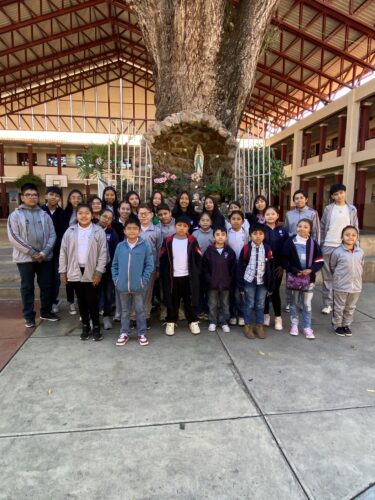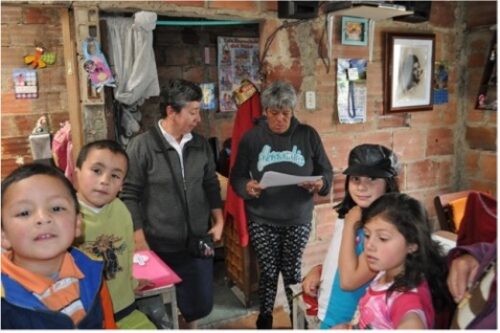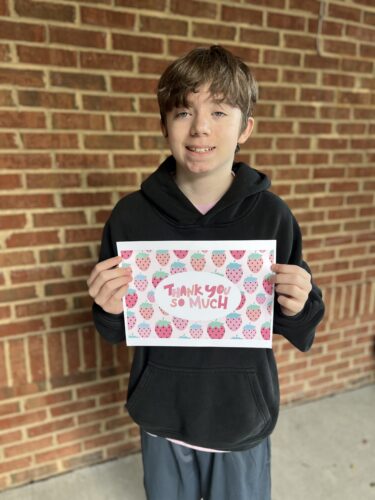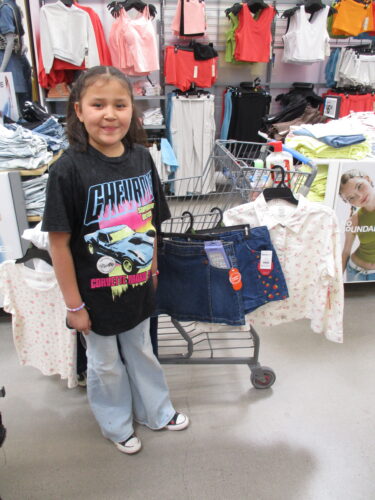
Because of their compassion and commitment, children in our program receive the essentials they need, and the opportunities that help them truly thrive. Whether it’s staying in school, participating in activities, or simply feeling supported and seen, sponsors make the difference every single day.
Back to school in the u.S

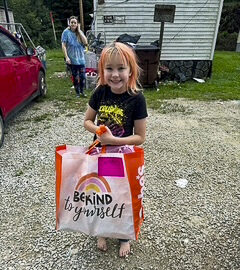

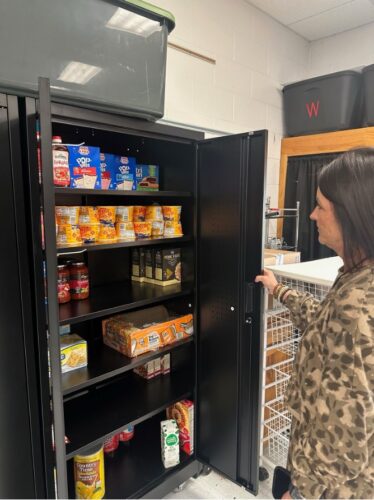
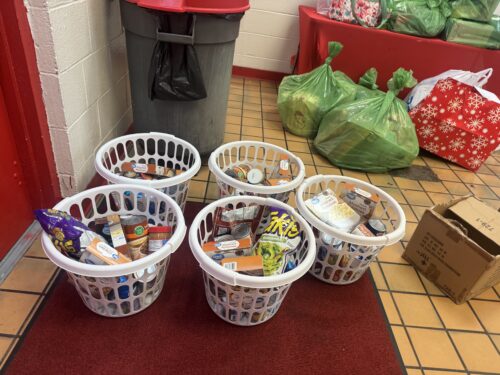
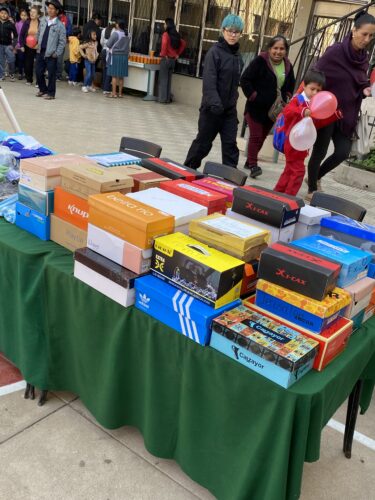
Recently, we sent an appeal for Back to School help, and thanks to your generosity, we have raised over $25,000 for our Hope In Action Fund! Children around the world have the backpacks, school supplies, and clothes they need to begin the school year with confidence. Your support also helps provide nourishing snacks throughout the day, and often the weekends. We couldn’t do this important work without you. Your support ensures our children can return to school with the supplies they need to succeed. They can focus on their education, not on whether their shoes will last another week.
feeding program at visayans

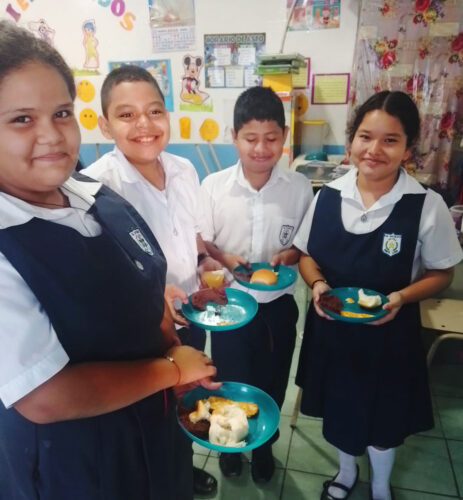
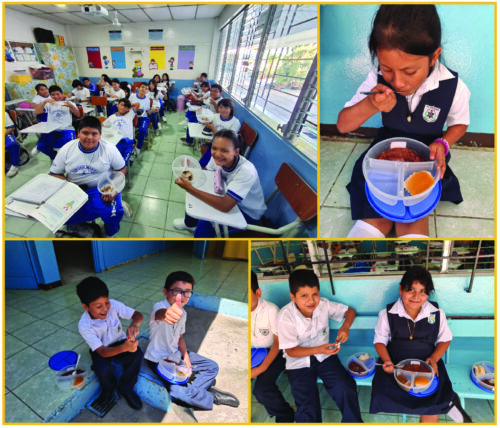
Sponsored children at the Visayans Community Center are on term break, but they still come to the center for a mid-day meal, often staying to make use of the library: playing with toys, reading books, and putting together puzzles.
It is because of your generous donations – and a special donation from our sponsors Mr. and Mrs. Graff – that these students have access to the food, books, toys, games, and puzzles. Thank you for all you do to improve the lives of children!
HOLIDAY REMINDER
Although it may still be summer for most, holiday giving is fast approaching. To make your contribution for your child’s holiday gift head over and log in to your account, or call us at 1-800-538-5381. The deadline is October 15th, don’t delay.

Holiday impact from a coordinator
With the holiday season coming up, it’s an important reminder that so many children long to enjoy this season, but instead have to approach it with nervousness. Will they receive anything? What will they eat? What will it be like to return and hear about what everyone else got during the holiday season?
But for our sponsored children, these fears don’t have to occur. Giving a holiday gift means giving a child the chance at normalcy and inclusion. One of our coordinators at Johnson County Middle School gave a great example of that:
I saw the biggest impact of the sponsorship funds at Christmas. Many students were so happy to receive gifts they otherwise would not have gotten. One mother in particular cried when I told her how much money was sponsored for her children for Christmas. She stated that her son had been asking for a bicycle. He is in the 7th grade and has never had a bicycle. While shopping, she picked out a bike with the sponsorship funds. After Christmas break, the student came to me and told me all about his new bike and stated he would “have the best summer ever” now that he had a bike.
If you are not already a sponsor, now is a great time to change the life of a child living in poverty.
Unsponsored Child Highlight

Meet Liz*, a tenth-grade student with a passion for culinary arts and a dream of becoming a chef.*
Liz is receiving vocational training in culinary arts and especially enjoys baking and cooking. She has even developed a talent for cake decorating. Her teacher describes her as quiet, happy, and humorous—a student who is finding her own path and building skills for the future.
Liz is currently waiting for a sponsor. Your support can help provide the everyday essentials she needs while encouraging her education and vocational training.
By sponsoring Liz, you can help her continue developing her talents and take another step toward the future she dreams of.
*Name is changed for online security
**********
How do I sponsor a child with Children Incorporated?
You can sponsor a child in one of three ways:
- call our office at 1-800-538-5381 and speak with a real person in our sponsorship department
- email us at sponsorship@children-inc.org
- go online to our sponsorship portal and search for a child that is available for sponsorship.