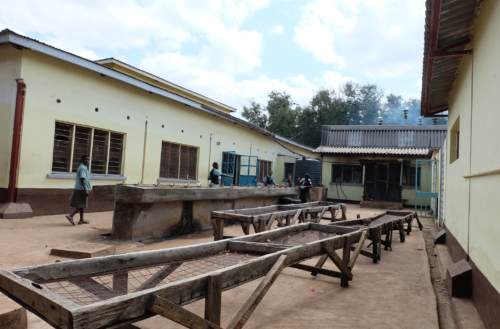
Across our programs, gardens are doing more than producing vegetables; they’re classrooms, kitchens, and places where confidence takes root.
Over the years, Children Incorporated has supported garden projects in schools, children’s homes, and communities around the world. These gardens provide fresh food for school cafeterias and families, teach agricultural and life skills, and create safe outdoor spaces where children learn responsibility and teamwork. From Ethiopia, Brazil, New Orleans, and Virginia, school gardens show how simple projects produce measurable benefits for children and communities.
Garden Benefits to Children
-Better nutrition, every week. Gardens supply fresh fruit and vegetables to school meals and to families, increasing access to healthy food. At Phyllis Wheatley Community School in New Orleans, they maintain an Edible Schoolyard garden, which students help to tend. Moreover, the school makes the fruits and vegetables available for students, their families, and community members monthly to take home.
“Our garden is both a classroom and a cafeteria — the children learn, the families eat, and everyone shares the harvest.” -Shayne Latter, CIS Gulf South
-Hands-on learning that sticks. Gardening teaches science, math, and planning through doing; that is best shown through Kids Hope’s garden. In 2016, the garden at Kids Hope Ethiopia began. Children Incorporated supported Kids Hope’s efforts to start a vegetable garden to be used for agricultural lessons as well as food production. This vegetable garden has been great for educational purposes for the children, while also offering them nutritional food. All the vegetables produced there are used in the Center’s kitchen.
-Family and community resilience. Communal gardens at centers like CARITAS in Brazil help families develop skills that support food security and small income projects. The families, along with their children, tend to the gardens, which teaches them all gardening skills. The parents become more self-sufficient when it comes to feeding their family. The families eat, share, and trade the vegetables with other families — and sometimes they sell them at a low cost to make a small profit!
-Emotional and social benefits. Raised beds, outdoor reading areas, and regular garden tasks build routine, pride, and cooperation among students and volunteers. At Pinon school in Arizona, we provided funds to purchase materials for the raised beds and fencing, and supplies including soil, fertilizer, seeds, and hand tools. Crops have been planted every spring, and it is used by the science teacher as well as the dormitory staff for instruction and enrichment activities for the children.
How do gardens help?
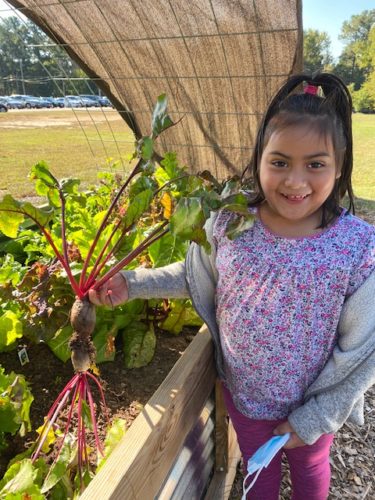
Maria is a student currently at G.H Reid Elementary school in Richmond, VA. Our Hope In Action funds helped them create a functional garden the students can participate in. Our coordinator, Sydney, tells a wonderful story:
“Maria was having a tough morning a few weeks ago, and her teacher asked if I could spend some time with her so she could have a break from the classroom. I was watering the garden at the time, so I asked Maria if she’d be interested in helping me.”
“While we tended the garden, I taught Maria about the different parts of the plants (leaves, roots, stems) and showed her how to water directly at the roots. We found some beets that were ready, so she pulled them up. Afterward, I called her mom to see if they would eat beets at home. Her mom was so excited; she happily accepted! Maria took the beets home with her that day.”
G.H Reid Peace garden
In Washington D.C, our coordinator at G.H Reid proposed a noble project: a peace garden in memory of a student lost to gun violence. This garden became a joyful location for students to come and reflect in nature. We were honored to be part of such a task. Through our Hope In Action fund, and a local gardener who agreed to take on the project, students now have a beautiful place to reflect and remember.


Garden projects return immediate, visible results: healthier plates, new skills, and stronger communities. They’re a cost-effective way to connect education, nutrition, and community development — and a clear example of how a small investment can grow long-term change.
kids hope in gardens
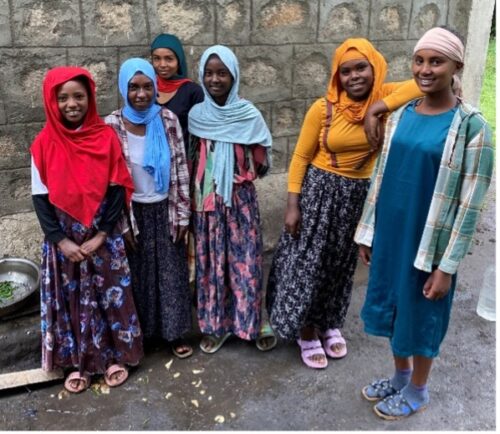
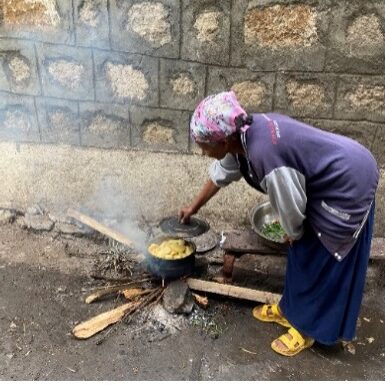
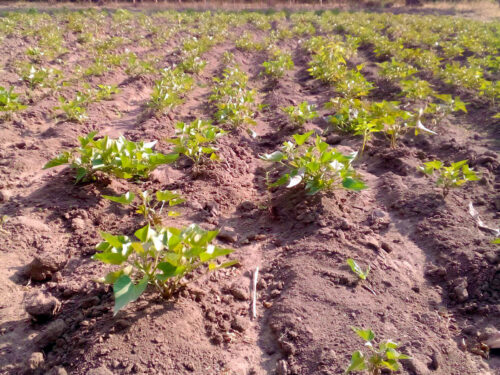
At Kids Hope Ethiopia community gardens are a staple for the students and community. Using Hope in Action funds over 6 years ago, what began with one plot of corn has grown into a highly efficient food production for the school. Sweet potatoes, carrots, teff flour, and many other staples are used to feed the students that attend Kids Hope as well as their families.
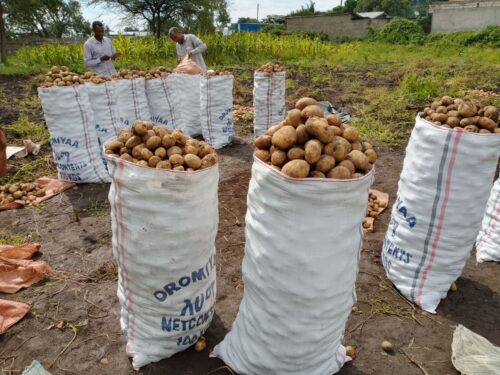
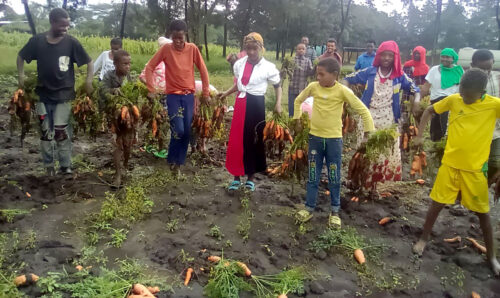
Projects like community gardens give confidence, purpose, and freedom to children living in poverty. When you grow your own food you have the chance to experience self-sufficiency as well as pride in the accomplishment. But beginning a garden is not always simple. That’s where our Hope In Action and Feeding Programs are incredibly vital. They ensure schools who have the desire will have everything needed to begin and sustain gardens. Your donations to our programs provide direct and lasting impact to children around the world.
***
You can plant a seed in a small patch of soil and watch a child grow. Join Us in Making a Difference
These stories reveal just a glimpse of your support’s impact. Will you help us write the next story?
You can sponsor a child in one of three ways:
- Click Here to go online to visit our sponsorship portal and search for a child that is available for sponsorship
- call our office at 1-800-538-5381 and speak with a real person in our sponsorship department
- email us at sponsorship@children-inc.org
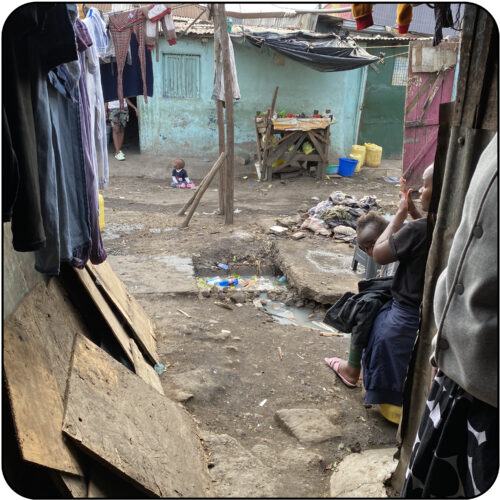
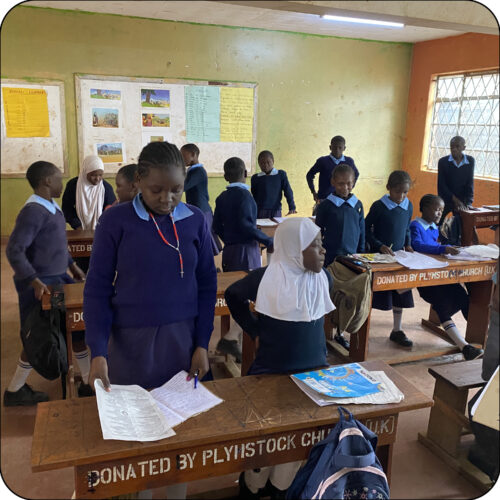
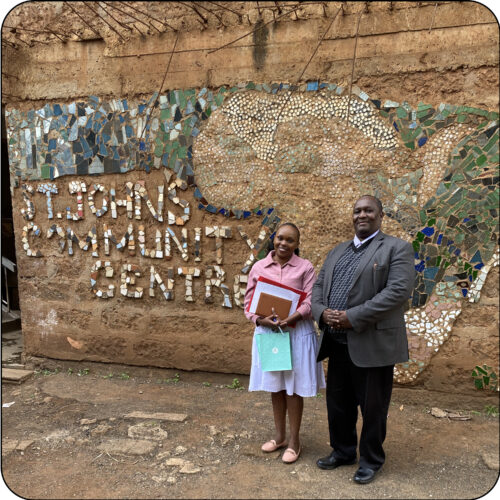

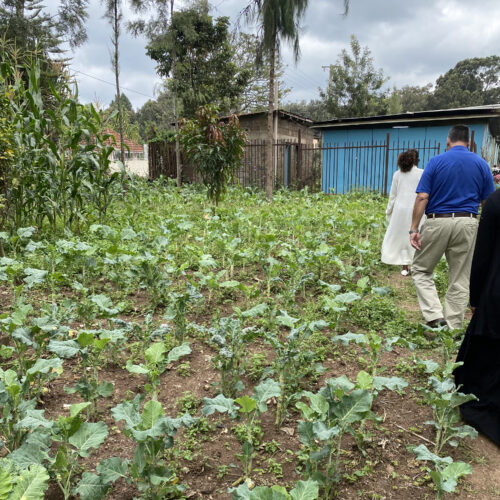
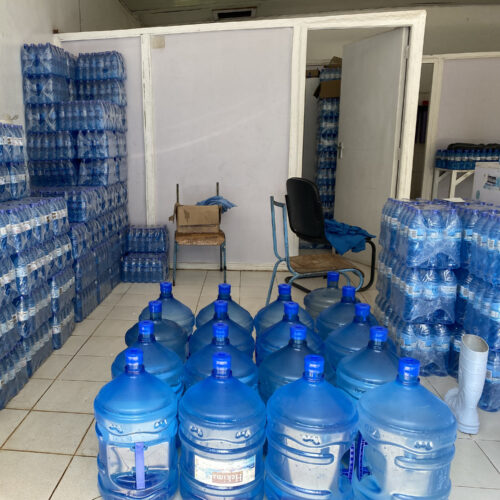 We are incredibly proud to partner with the Msamaria Mwema Center. Currently, sixty children call the boarding home their safe haven, and
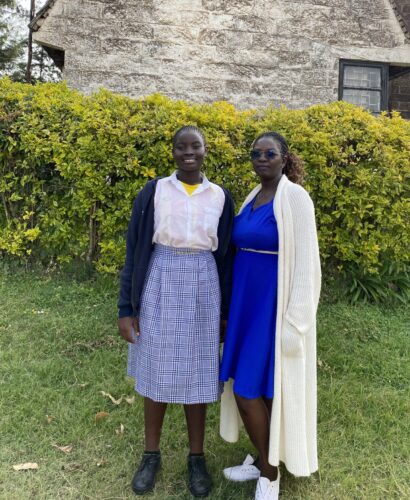 During our visit, we had the privilege of meeting Faith, a brilliant high school student. Her father expressed his profound gratitude for the sponsorship that is helping Faith pursue her dream of attending college; a dream that might have been out of reach due to their family’s hardships. Its stories like Faith’s remind us of the powerful, lasting impact we can have when we invest in the future of a child.