Tag Archives: hope

It’s our fourth day in Mexico, and Luis and I have left a truly special place. I have never felt so much serenity when visiting one of our projects — in Mexico, in Africa, in Bolivia, or anywhere else. The sisters who run the Mexiquito Home outside San Miguel de Allende have just shown us a sanctuary (in every sense of the word) for boys of all ages.

Everybody needs help, as Luis said, and it’s true. The most charming cities to visit can be home to so many children who depend on the kindness of others to survive and flourish.

When we left Mexico City yesterday around noon, we found ourselves in San Miguel de Allende late in the afternoon. The bus ride to the far eastern part of Guanajuato was nice, and we were charmed by the city, as many before us have been. San Miguel de Allende’s cobblestone streets and colonial features dating back to its founding in 1541 have made it a scenic destination for tourists, artists, and writers. The restaurants, small shops, galleries, and hotels are all results of today’s tourism industry, but the 17th and 18th-century historic city center and cathedral are so well-preserved, you can easily imagine yourself hundreds of years back in time.

There seems to be so much money in the beautiful city of San Miguel de Allende, so it’ll be interesting for me to learn more about the community’s needs. I asked Luis how it is that Children Incorporated has gotten to work with so many different projects, and he responded, “Everyone needs help.”

Helping boys find their future
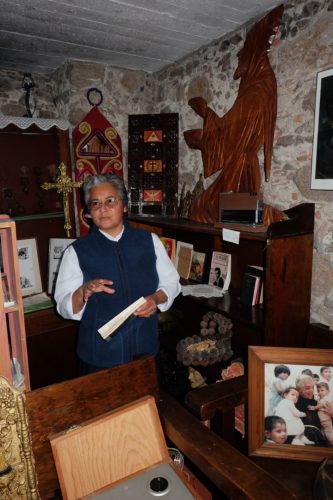
Sister Teo showing us the former room of Jose Mojica in San Miguel de Allende.

The next day, I was shocked when I arrived at the Mexiquito Home, just a short distance outside of the city. Luis had told me many things, but he wasn’t able to prepare me for just how stunning the property is. Mexiquito is located on a beautiful compound, with an iron gate that led up a lushly landscaped driveway and expansive stairs that led up to the entranceway of the building. From the top of those stairs, we could see the entire grounds — with dorms, a sanctuary, a cafeteria, and even a large courtyard with basketball hoops.

Once we met the director, Sister Teo, and we began our tour, I began to understand why the Mexiquito Home is the way it is. Jose Mojica, a famous Mexican singer and actor, founded the home in 1960 after following a calling to become a priest. He built the home to provide shelter and support for orphaned, abandoned, and underprivileged children — 50 years later, it’s still doing just that.

The government and the surrounding community help out as much as they can, with donations of food, books, clothes, and school supplies. Organizations like Children Incorporated make up a much-needed difference through sponsorships, making it possible for these boys to leave the streets and grow up in such a serene and loving environment.

The property’s sanctuary housed Mojica’s living quarters until he died in 1974. Sister Teo made the sanctuary the first stop on our tour. She and her fellow sisters commissioned local artists to paint portraits of Mojica and other prominent people affiliated with the home, as well as some children, and at one point next year, they hope to open the sanctuary as a museum with a café to honor Mojica’s legacy as well as generate some extra income for the home.

Something in the air

As we toured the sanctuary,  I assured them with complete sincerity that I would be thrilled to visit a museum such as they’d described. The actor-turned-priest’s story is fascinating, and his living quarters are really impressive to see.

But to me, the real attraction is the home itself and what the sisters have been able to do with it.

Organizations like Children Incorporated make a difference through sponsorships, making it possible for these boys to leave the streets and grow up in such a serene and loving environment.

With 31 boys currently enrolled, the Mexiquito Home is not at its 50-student capacity. We were asked not to take photos of the boys living there, who range in age from toddler up to teenager. Their backgrounds are sad stories and they remain vulnerable to danger outside of the home, so the sisters do what they can to keep them in an entirely safe environment. It doesn’t hurt that the same environment is beautiful to the eye and even the nose — the whole place smells like lime trees!

Sister Teo took us up to the roof, where we saw the newly installed solar panels. Solar energy provides all of the school’s power and heats its water, which feels so resourceful in addition to being environmentally friendly. A Canadian volunteer comes and teaches music to the boys once a week in a music room, college students come to the Mexiquito Home to run the facility’s greenhouse, and there’s also a small dental and medical facility run by a volunteer doctor and nurse, in addition to a psychology room, a large playground, and a computer lab.
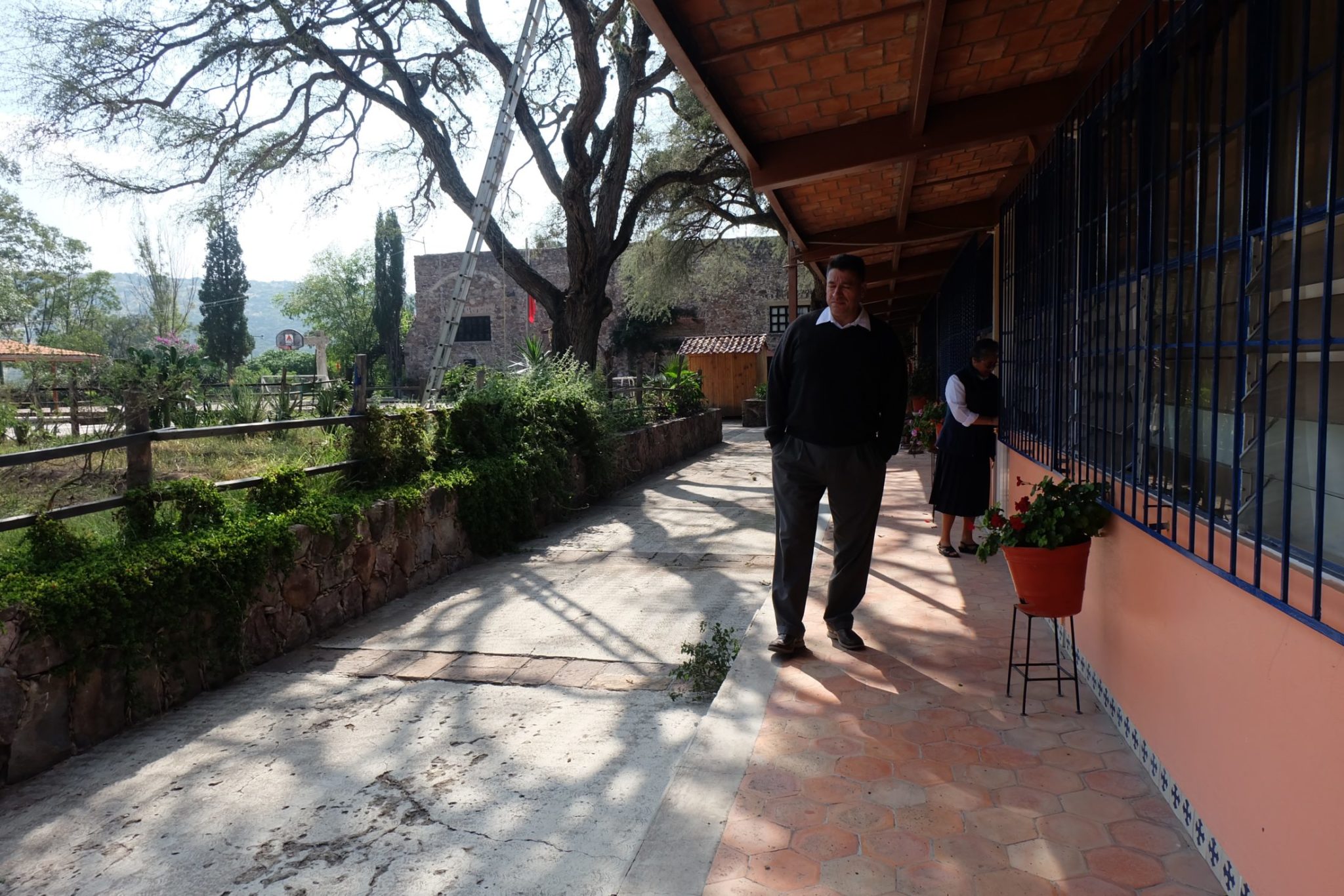
The sisters even keep chickens and sheep for trading and for food. We eat lunch alongside the boys as they return from school. They’re so sweet to us and each other, despite what we’ve heard about their difficult lives. I can only imagine what they’ve been through, but it’s clear that they have the support not only of Sister Teo and the other four sisters, but of each other as well.

Even in San Miguel de Allende, an exquisite city that, by all appearances, is doing so well for itself, there’s poverty and crime. Everybody needs help, as Luis said, and it’s true. The most charming cities to visit can be home to so many children who depend on the kindness of others to survive and flourish.

More and more on this trip, I’m reluctant to leave the places we visit. But we return home to our hotel and I think about the faces of the boys I met. Without pictures to remind me, I’ll have to rely on my memory.

***

HOW DO I SPONSOR A CHILD IN MEXICO?

You can sponsor a child in Mexico in one of three ways – call our office and speak with one of our sponsorship specialists at 1-800-538-5381, email us at sponsorship@children-inc.org, or go online to our donation portal, create an account, and search for a child in Mexico that is available for sponsorship.
SPONSOR A CHILD

written by Shelley Callahan

Shelley is the Director of Development for Children Incorporated. She is also the lead social correspondent, regularly contributing insights through the Stories of Hope blog series. Sign up for Stories of Hope to receive weekly email updates about how your donations are changing the lives of children in need.

» more of Shelley's stories

Tucked away amongst the small, tree-lined cobblestone streets and Colonial-era houses of Coyoacan Delegation, lies the Casa Hogar Santa Ines Girls’ Home. It’s pretty here, with the home (and now museum) of celebrated Mexican artist Frida Kahlo nearby.

We made it through the busy, but organized Mexico City morning traffic to the Home’s huge wooden door, which opens for us as we arrive. It’s tough to drive through the streets in this neighborhood. The roads are so narrow it’s difficult for even one car to get through, and pedestrians have to fit on just a sliver of a sidewalk.

We marvel at the school’s immaculately kept courtyard. Santa Ines looks like a small place at first, but I soon realize that it extends beyond my current view. Behind the buildings I can see, which contain dormitories and offices for the sisters, are large dorms that house up to forty girls at a time.

Many of them have had some trauma, witnessing violence, drug use, and abuse, and some of them find it difficult to cope.

Sister Flor greets us. She used to work in a church in a predominantly Hispanic community in Fort Worth, Texas before her order assigned her to work here.

For the past three months, she’s been directing the home, which consists of 32 girls and five sisters, and we sit and discuss the sponsorship program with her. It’s hard not to keep looking around for the children, but they’re in school at the moment. We look forward to when the younger girls will return (older students are in private schools and could be in school as late as 6 pm).

A safe haven for little girls

Children Incorporated, Sister Flor tells us, helps with school supplies, clothes, shoes, and school uniforms. With the government really only providing enough support for eight girls at the moment, Santa Ines relies heavily on financial support from churches, individual donors, and in-kind donations from the community.

The children are sometimes left with the sisters by families who are too burdened to support them, sometimes they’re plucked from abusive homes, and sometimes they’ve been abandoned. Casa Hogar Santa Ines has been working with Children’s Incorporated since 1974, the year of the school’s founding. 

A nearby private school offers scholarships to every Santa Ines child who is old enough to attend. It’s not easy for the children, who are as young as three and as old as 13. Many of them have had some trauma, witnessing violence, drug use, and abuse, and some of them find it difficult to cope. A psychologist visits once a week, but Sister Flor often gets calls from the school that the students have acted out after being picked on because of their background.

In an effort to give some of these young women a place of stability in their lives, Sister Flor and the other sisters have made it a priority to keep their living spaces and facilities clean and comfortable. We love seeing the dorms, which are tidy and painted a pale purple with pictures of Disney princesses and other cartoon characters festooning the walls. The toys are ones that encourage group play — Barbies and dollhouses — while the high ceilings and large windows allow in a cheerful amount of natural light. Santa Ines is certainly one of the nicest and best-kept homes I’ve seen in my travels with Children Incorporated.

Happy faces in Mexico City

It was difficult to tear ourselves away from such energetic harmony, but I felt good knowing these special children are so well-cared-for in the heart of such a big and sometimes impersonal city.

Finally, the children arrive. They’re energetic, outgoing, and eager to meet Luis and me. We have lunch with them, a mixture of beef and vegetables with a side of beans. The girls seem loved and cherished by the sisters and the volunteers who are walking around, helping them with their meal. We watch the children play in the courtyard between the dining room and the doors. They swing, they slide, they draw pictures with chalk, they even hula hoop.

It was difficult to tear ourselves away from such energetic harmony, but I felt good knowing these special children are so well-cared-for in the heart of such a big city.

***

HOW DO I SPONSOR A CHILD IN MEXICO?

You can sponsor a child in Mexico in one of three ways – call our office and speak with one of our sponsorship specialists at 1-800-538-5381, email us at sponsorship@children-inc.org, or go online to our donation portal, create an account, and search for a child in Mexico that is available for sponsorship.
SPONSOR A CHILD

written by Shelley Callahan

Shelley is the Director of Development for Children Incorporated. She is also the lead social correspondent, regularly contributing insights through the Stories of Hope blog series. Sign up for Stories of Hope to receive weekly email updates about how your donations are changing the lives of children in need.

» more of Shelley's stories

When Luis Bourdet and I traveled to Africa earlier this summer, we found ourselves, as always, deeply impressed by the programs and centers we visited and the hard-working people who run them.  

3

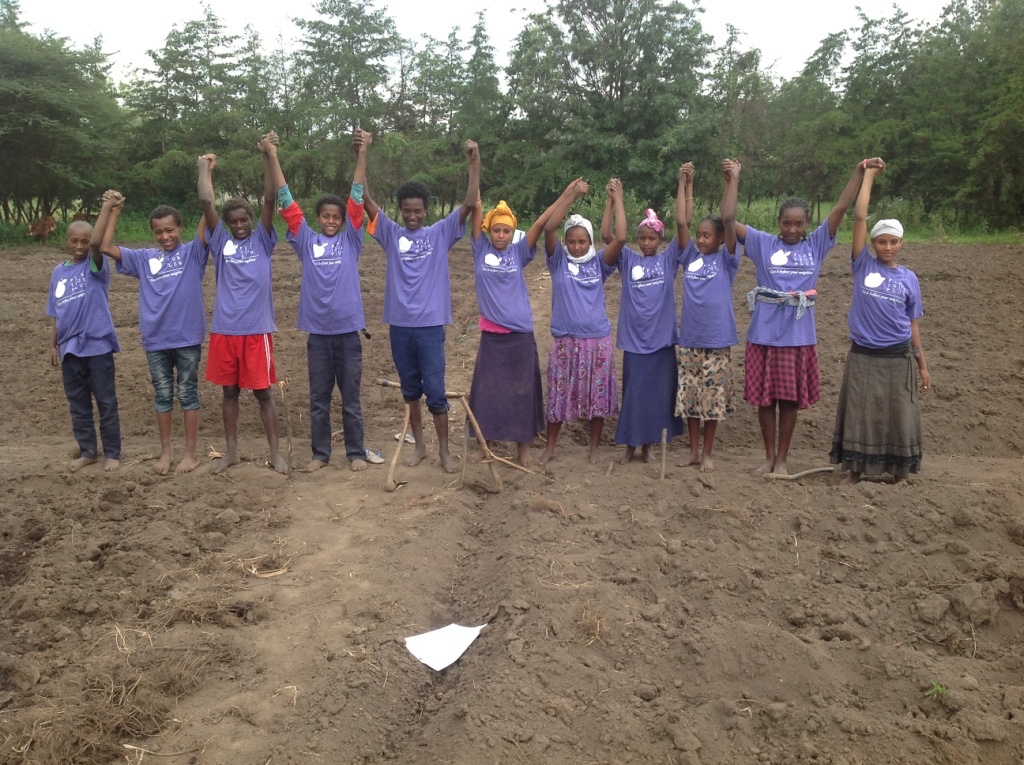
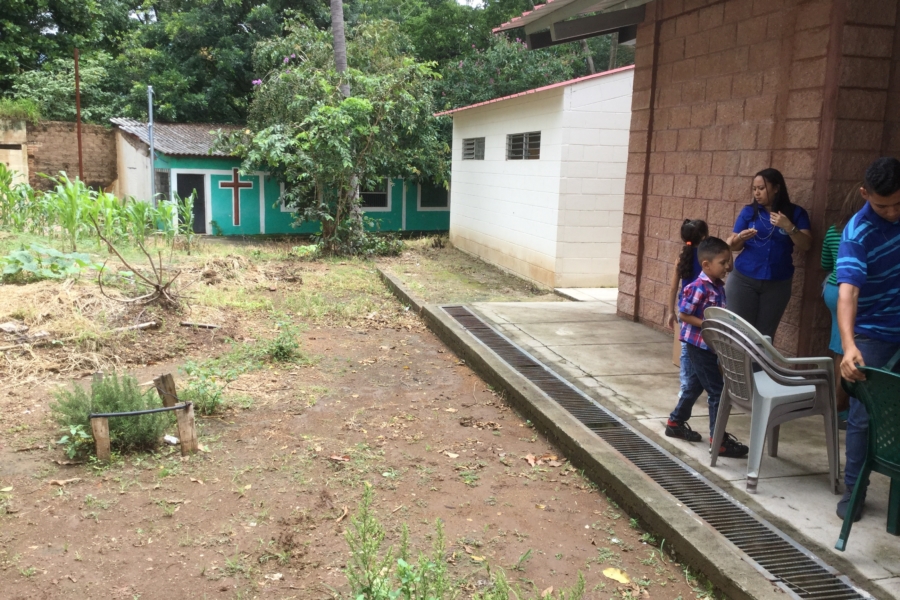
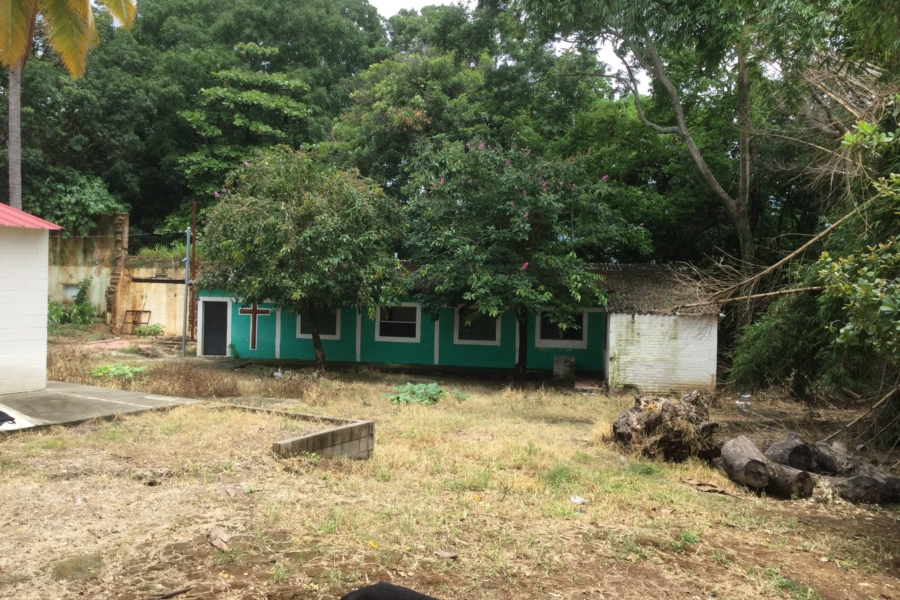
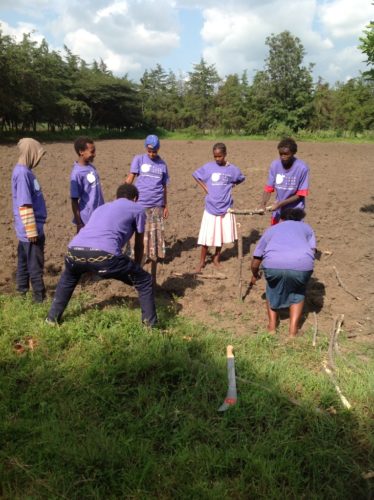
The beginning of gardening work at Kids Hope.

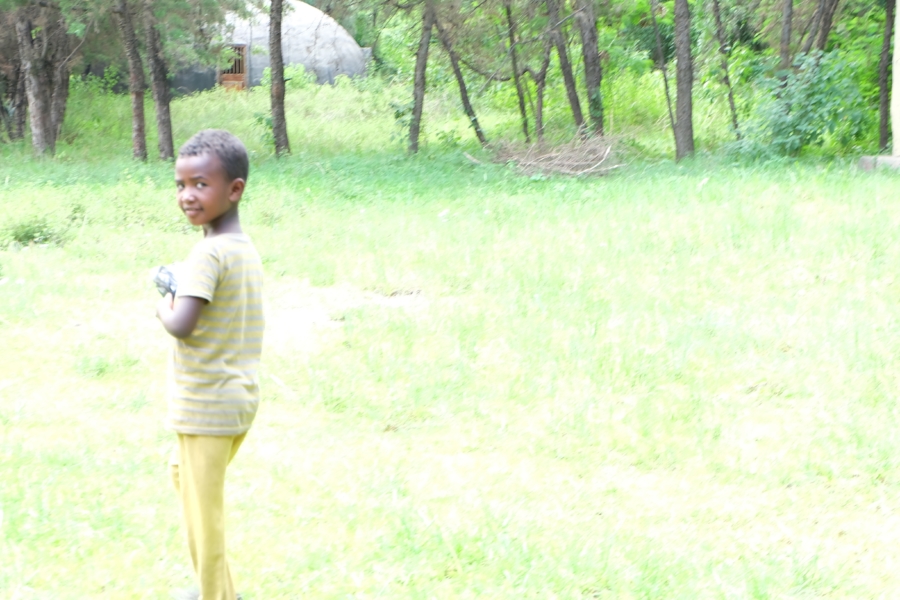
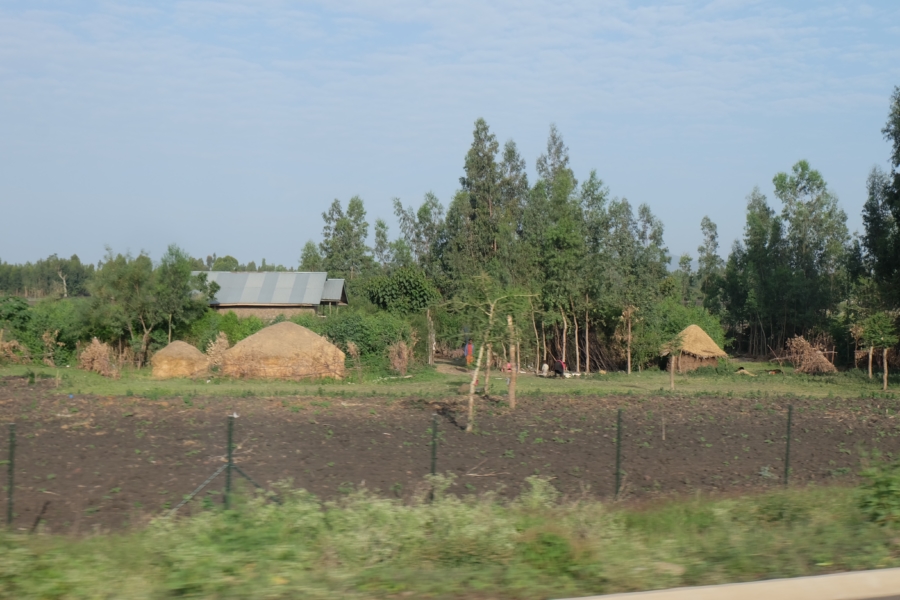
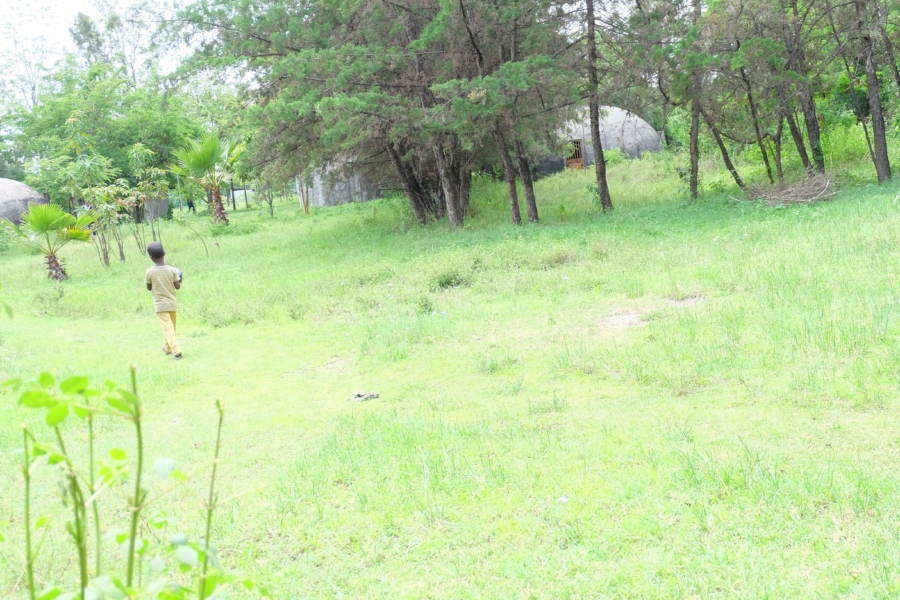
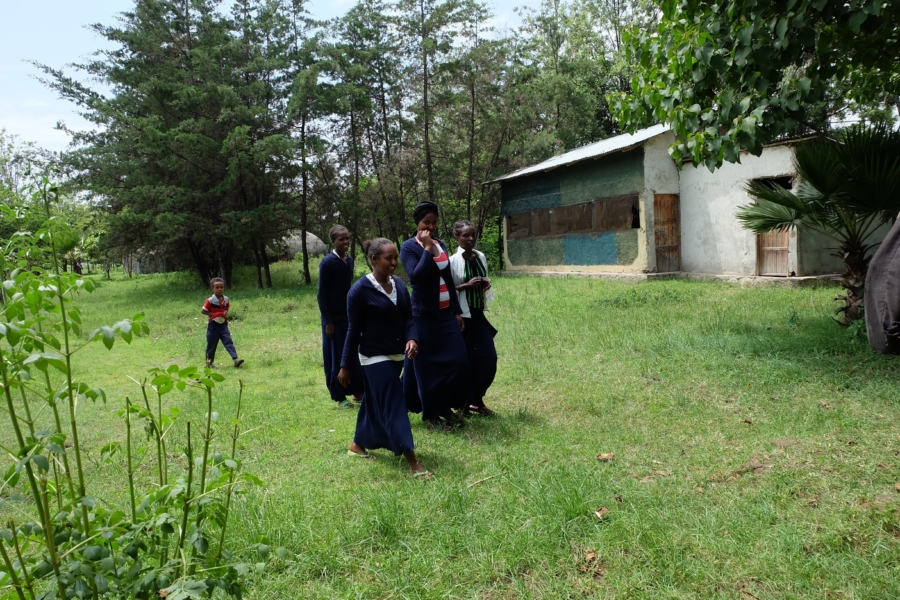
A five-acre compound that schools, houses, and nurtures the disadvantaged children of rural Ethiopia is supported by the child sponsorship organization, Canadian Humanitarian. In the area outside of Shashamane, life is both easier and tougher for Ethiopian children.

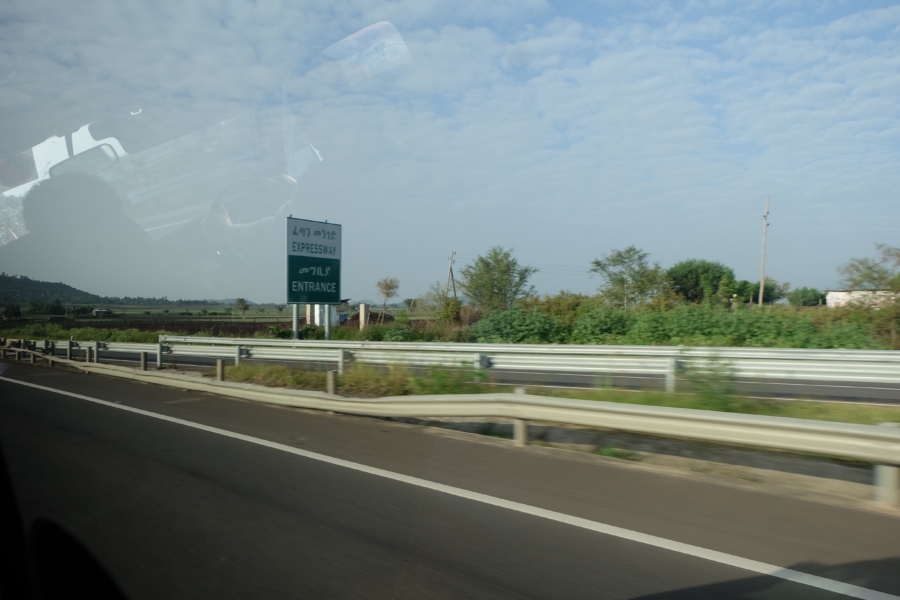
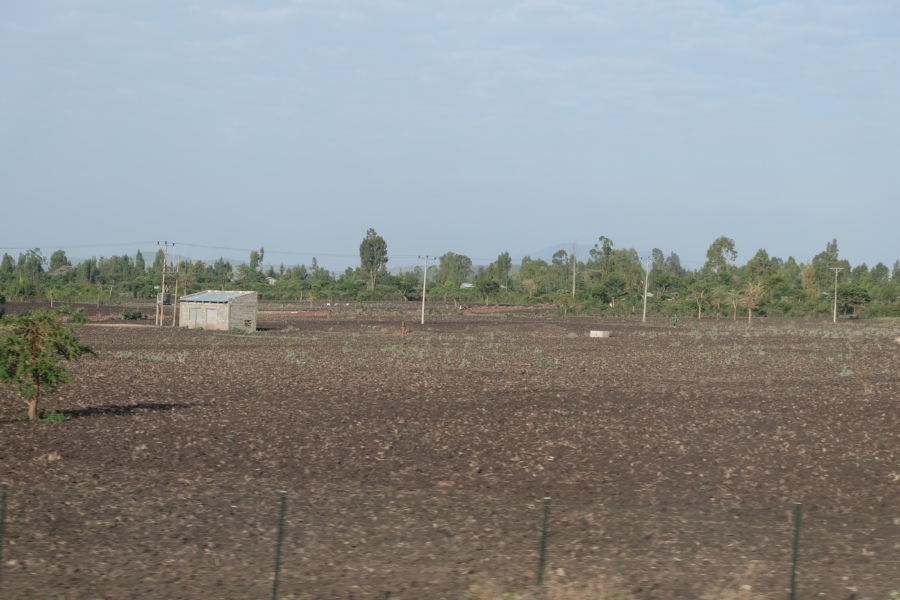
While they don’t suffer from the closely-packed life of the slums, with its crime, disease, and scarcity caused by overcrowding, they also live a life of isolation. It’s harder to get from one place to the other in the country, especially when roads aren’t maintained and distances between home and school are vast. The land is ripe for cultivating crops, but the people are so poor that even the basic farming supplies (even seeds!) aren’t available to them.

Skills for a lifetime

Bisrat Sime, Kids Hope’s Director, had high hopes for some of this land. The five acres on which the compound sits wasn’t being used effectively, he said, and it was perfect for a hands-on gardening program. Such an experience wouldn’t just help feed the community, it would give children the agricultural skills that would last their whole lives—perhaps even pass down to future generations.

Luis and I were struck by that idea, that the only thing separating this community from several lifetimes of positive change was simple supplies. The willingness to educate was there. The willingness to be educated was there. The environment was right. A nation was ready to feed itself.

The willingness to educate was there. The willingness to be educated was there.

Upon our return, Luis set about putting a bug in donors’ ears, and in a short time, he was able to send funds to Bisrat.

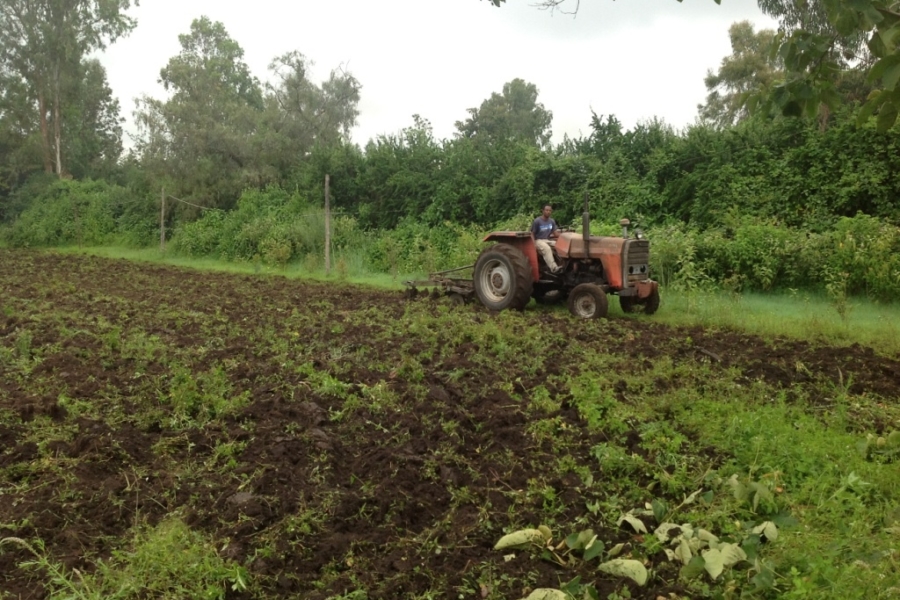
Weeks passed, and then in August, Luis received the update he’d been hoping for: the combined efforts of a tractor and oxen plow (bought with the money they’d received) had cleared the land, and training had begun.

A month later, and the project was in full swing. Bisrat sent photos of children learning how to plant a fruitful vegetable garden, with emphasis put on reaping the most benefit from the land without exhausting both natural and donated resources. Like the land, the children will bear their own fruit—a healthier life fed by nutritious food and a brighter future made possible by skills-based education.

A donation to Children Incorporated goes a lot further than just a packet of seeds or even a plow. It grows into something that can be harvested over and over, making real change in the lives of not just today’s children, but tomorrow’s as well.

***

HOW DO I SPONSOR A CHILD IN ETHIOPIA?

You can sponsor a child in Ethiopia in one of three ways – call our office and speak with one of our sponsorship specialists at 1-800-538-5381, email us at sponsorship@children-inc.org, or go online to our donation portal, create an account, and search for a child in Ethiopia that is available for sponsorship.
SPONSOR A CHILD

In El Salvador, children have two choices: try as hard as they can to stay in school or submit to the constant pressure to join neighborhood gangs. Organized crime is rife in El Salvador, and recruitment starts at an early age, when kids are at their most vulnerable. Often, their parents are working and the children are home alone—that’s when gang culture starts to come knocking, angling for loyalty and increasing their numbers.

img_0361

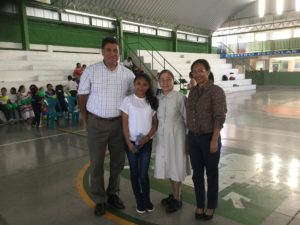
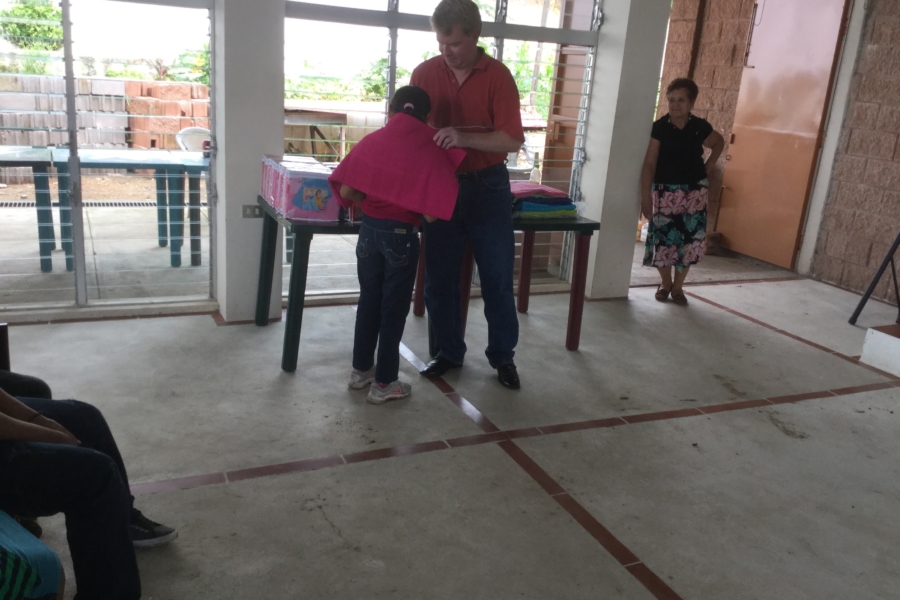
Luis is pictured with our volunteer coordinator and some of our sponsored children.

When parents are involved in their children’s day-to-day lives, they’ll have some control over their child’s activities. But that can’t always be the case, and that’s why programs like the Marillac secondary school are often the only force helping children resist an easier, but much more dangerous, way to make a living.

Opening doors to a better life

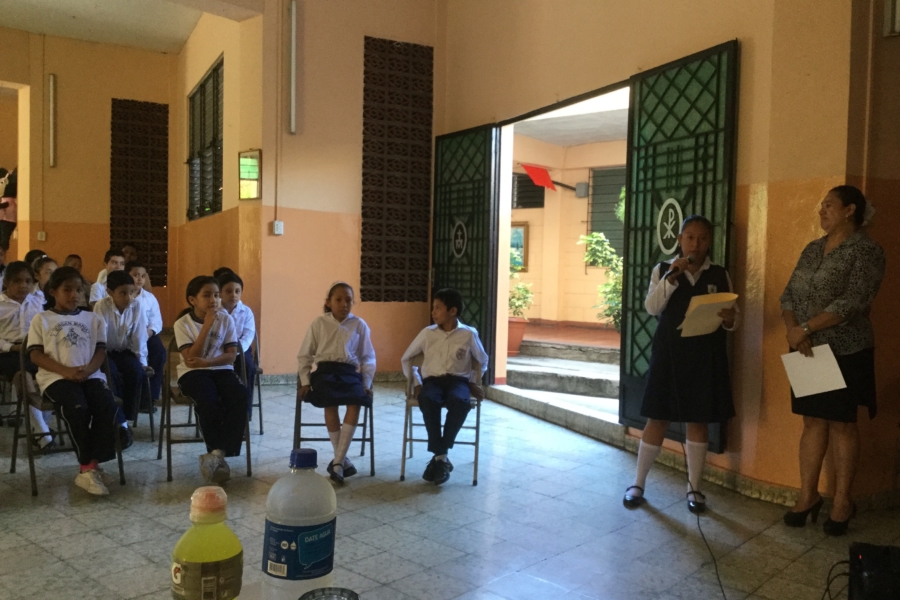
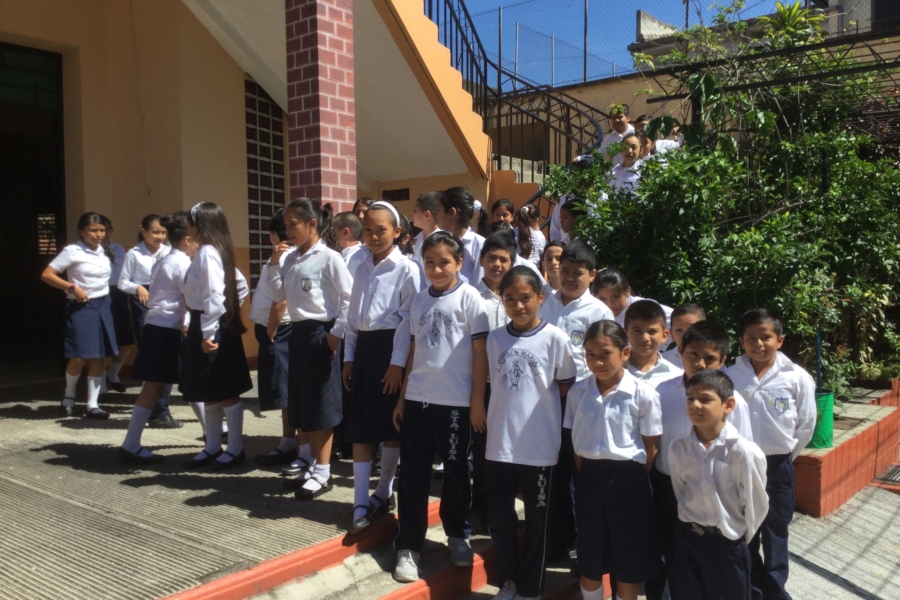
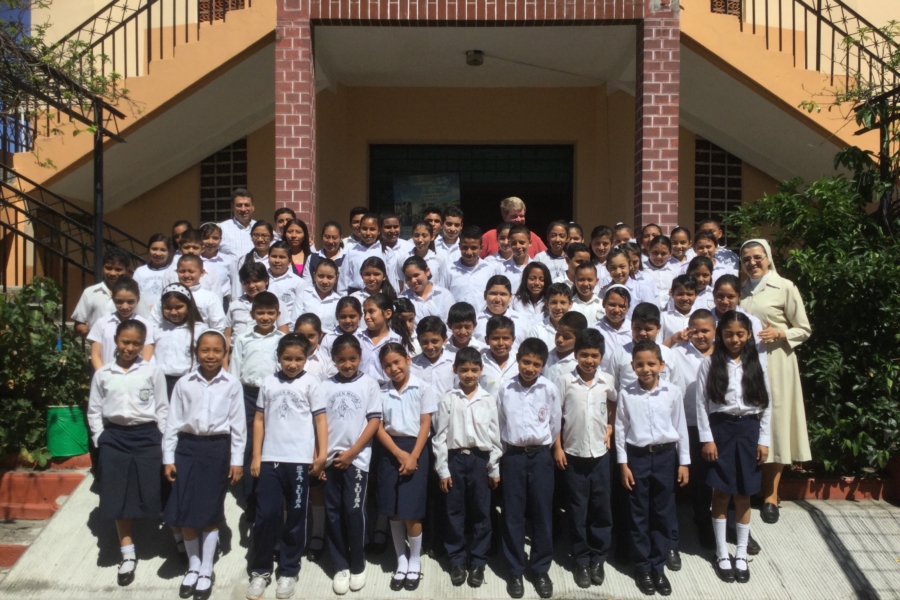
The Sisters who run Marillac focus on expanding their reach and increasing their offerings for the poor families that surround them. They recognize that children not only need education, a safe space to learn, and psychological support, but also activities that foster motivation, independence, and a sense of community. To further these goals, the sisters have put their heads together and dreamed up new facilities that sponsors have helped them become reality. A new gymnasium, a computer lab, and even a robotics program. Children Incorporated has been proud to help with the security for the lab, and even prouder to watch as the children find joy in something that will help them stay focused on a better life for both them and their families.

They recognize that children need education, a safe space to learn, and psychological support, but also the activities that foster motivation, independence, and a sense of community.

One Children Incorporated-sponsored student, in particular, has embodied this spirit of using her gifts to help her community. Sofia’s adventure began as “just a student of ours who likes to sing,” as Luis describes it. After losing her father a year prior, Sofia was having trouble coping.

“She was so sad,” remembers Luis. “You could see how sad this poor little girl was. And she would sing this famous Spanish sad song, and it was powerful. Her voice was incredible.”

Members of the community began to promote Sofia in the area, and she was invited to participate on a local television program. The producers noticed her skill at singing, dancing, and leading other children, and asked her if she would like her own show, now a popular children’s musical hour.

The local radio station followed suit, and Sofia now also hosts a talk show for children. “She’s so motivated to do well,” says Luis. “She comes back and coordinates these dances at the school, and shows everyone how to do the dances—she’s always involved in this, that, and the other.”

Because of donations to Children Incorporated, Sofia has been able to afford Marillac’s school fees, and it’s opened up opportunities for her in ways she may never have experienced. Now, she’s on track to become an El Salvador success story, and she’s inspiring other children to express themselves while carrying on cultural traditions. To Luis, that’s a testament to the belief of Children Incorporated’s donors, who know that helping out one child can affect the lives of many.

***

HOW DO I SPONSOR A CHILD IN EL SALVADOR?

You can sponsor a child in El Salvador in one of three ways – call our office and speak with one of our sponsorship specialists at 1-800-538-5381, email us at sponsorship@children-inc.org, or go online to our donation portal, create an account, and search for a child in El Salvador that is available for sponsorship.
SPONSOR A CHILD

In 1964, Jeanne Clarke Wood traveled to Guatemala and met 95 impoverished children, all struggling bravely through the harshest of circumstances. She founded Children Incorporated so that she could make an impact on those who need help the most — poor, often abandoned or orphaned children in countries without government services to provide even the basic necessities of life.

The organization now supports eight separate programs in Guatemala, which Children Incorporated’s Director of International Programs, Luis Bourdet, visits often. The rampant poverty in his native country is difficult to witness. While Guatemala attempts to clean up corruption within the government, many organizations have to go without funding, which means the citizens have to go without the services that the organizations provide.

img_0261

Luis watches as a student practices her cosmetology skills on another student.

This year, a massive drought will deprive 1.5 million of basic staples, further slowing the government’s efforts to turn their economy around.

Songs in the key of hope

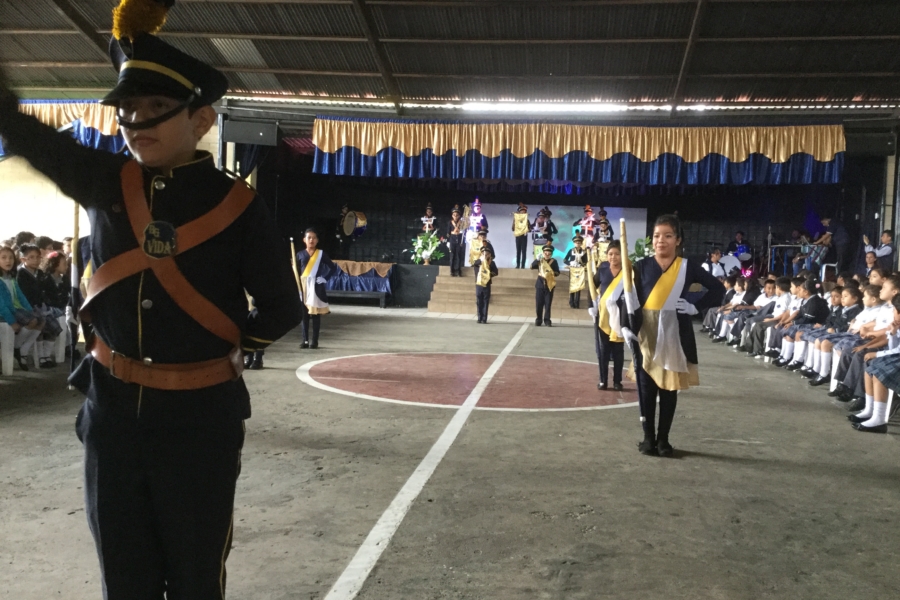
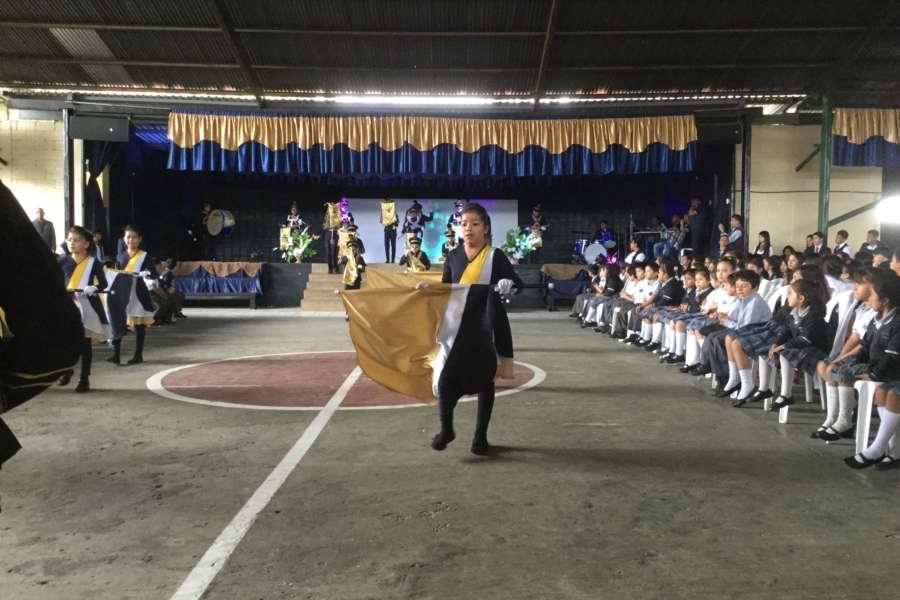
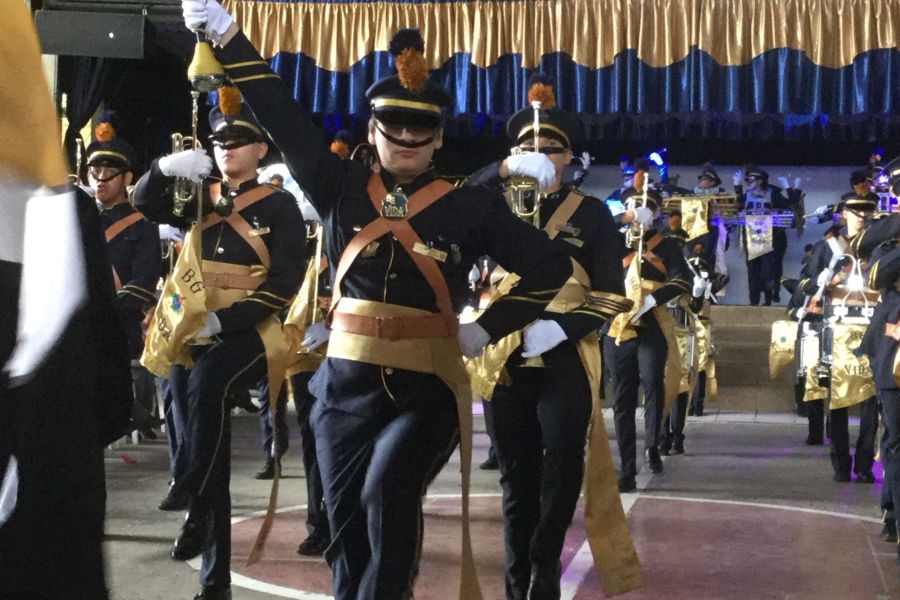
Luis finds his hope in the schools and programs he visits, where volunteers and donations from global organizations like Children Incorporated have, over the years, transformed the lives of hundreds of children. One school in particular, Juan Apostol School in Guatemala City, brings hope, strength, and inspiration to children in a very specific way. Though its students come from the heart of the Guatemala City slums, they make up one of the country’s best and brightest school bands.

Our Volunteer Coordinator, Tita, had to convince Luis that supporting the band was in line with Children Incorporated’s mission. As she spoke, it became clearer to him that the band was a unique academic motivator for Juan Apostol’s children. To participate in the band, you have to be an A student. And this isn’t some side project — the 85-student band and its two smaller bands of 45 and 30 are the school’s pride and joy. It’s by design — the coordinators understood that the band had to be something truly special to get these kids’ attention.

One school in particular, Juan Apostol School in Guatemala City, brings hope, strength, and inspiration to children in a very specific way.

Not only do the band members learn creative expression through music, but they also learn how to function as part of a very close-knit team, both musically and practically. The students and their parents have to raise funds for every trumpet, every drum, and every trip they take. The result is a group of families that are truly invested. “Every student wants to be in the band,” says Luis. “It’s just incredible.”

“They’re taught responsibility, coordination, administration, and they have to be good academically,” he continues. “So I thought we needed to support that.”

This year, Children Incorporated delivered enough brand-new instruments to replace a large percentage of Juan Apostol’s. Luis was able to attend a student performance as they blew their new trumpets and beat their new drums. He remembers feeling the children’s excitement as it grew and grew. “This is not a school that has a lot of money, and seeing those 85 kids playing felt like 20,000, all so proud of what they’re doing and showing that.”

Hands-on training now for a better tomorrow

Along with helping with the school’s band, which travels all over the region, Children Incorporated assisted in implementing a skills training program at Juan Apostol. Participating children train for more than a year in computers, graphic design, or even cosmetology, and when they’re finished, they receive a certificate from the government. So not only are Juan Apostol graduates earning a step up because of academic training, but they’re also going out into the world with skills they can use to do meaningful work. The program’s effectiveness has grown with its popularity, and now almost every child gets to participate.

It’s innovative programs like these that help children distance themselves from the challenges they face at home. Guatemalan children are often pressured into the drug trade or have to find legitimate work to help their families. Making sure that both students and parents understand the value of learning the skills taught in band or the skills training program, and keeping the process engaging for all shows these children, and their families, a glimpse of a better life.

***

HOW DO I SPONSOR A CHILD IN GUATEMALA?

You can sponsor a child in Guatemala in one of three ways – call our office and speak with one of our sponsorship specialists at 1-800-538-5381, email us at sponsorship@children-inc.org, or go online to our donation portal, create an account, and search for a child in Guatemala that is available for sponsorship.
SPONSOR A CHILD

The average American doesn’t have to think much about how he will provide an education to his children. Our public school system provides many of our children with an education courtesy of tax dollars, and we’ve grown to take it for granted. In Kenya, however, school is a privilege, not a right. If you can pay to send your children to school, they go. If not, then they’re almost certainly looking at a bleak future of poverty.

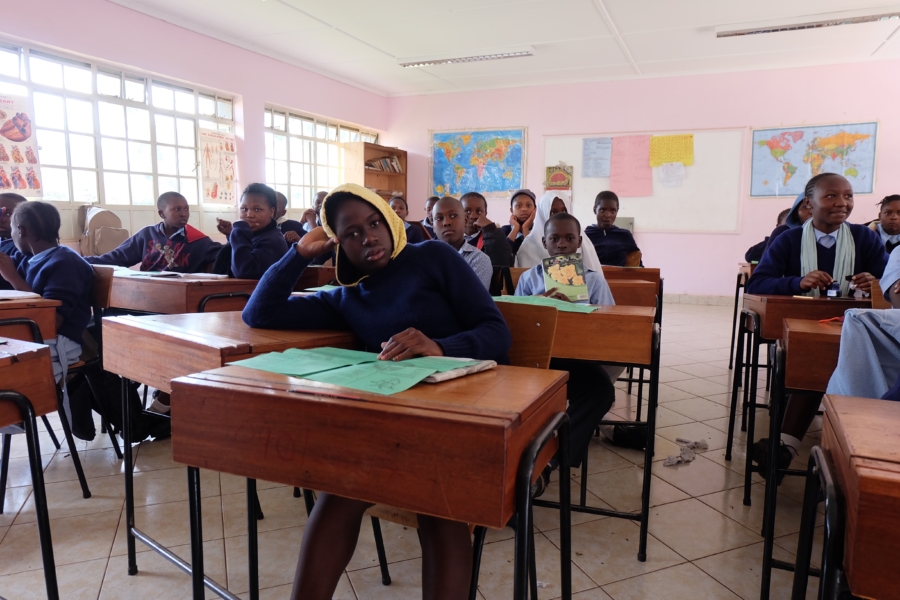
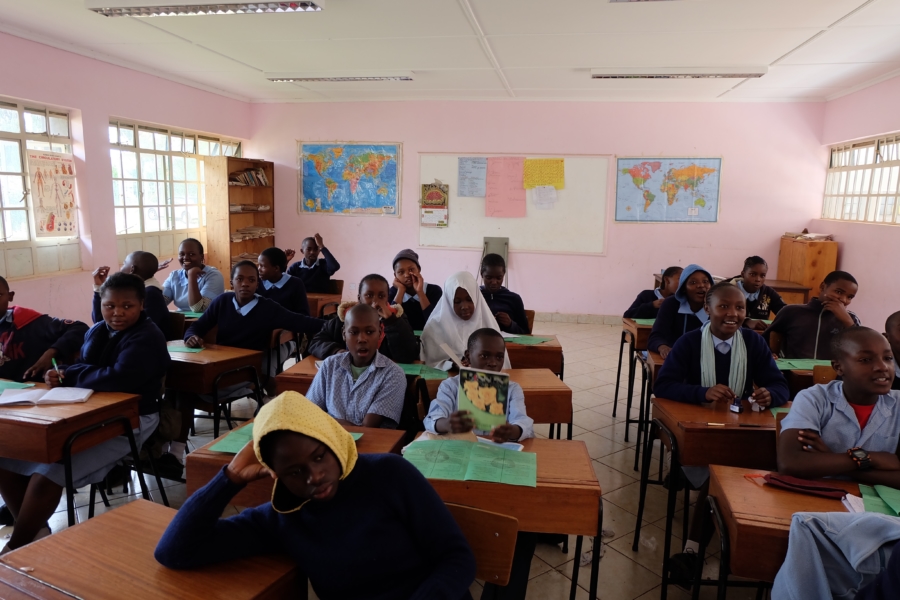
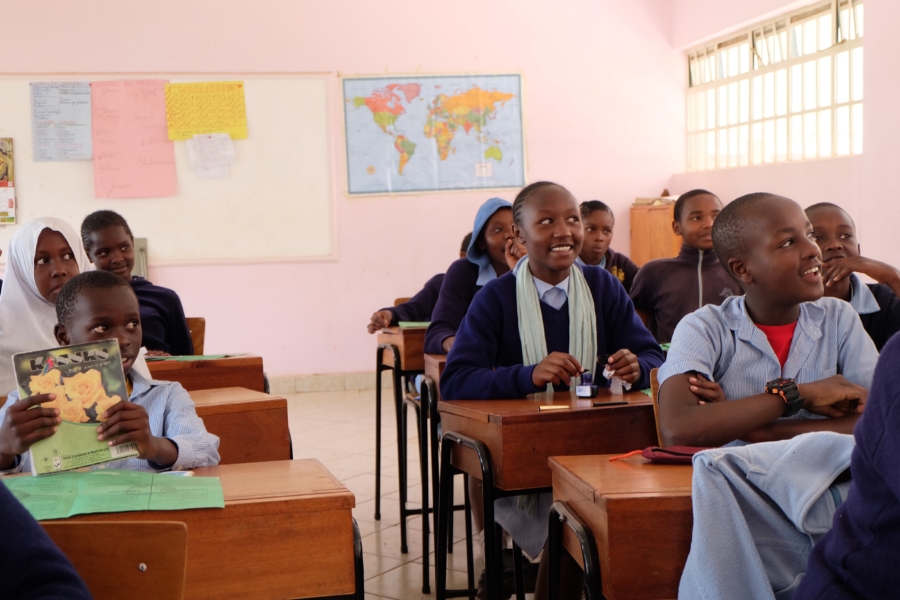
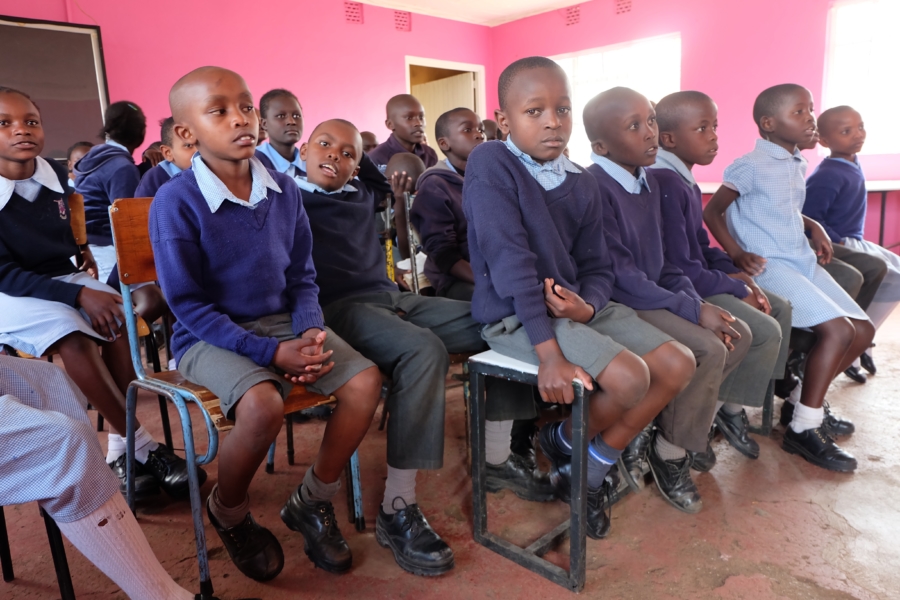
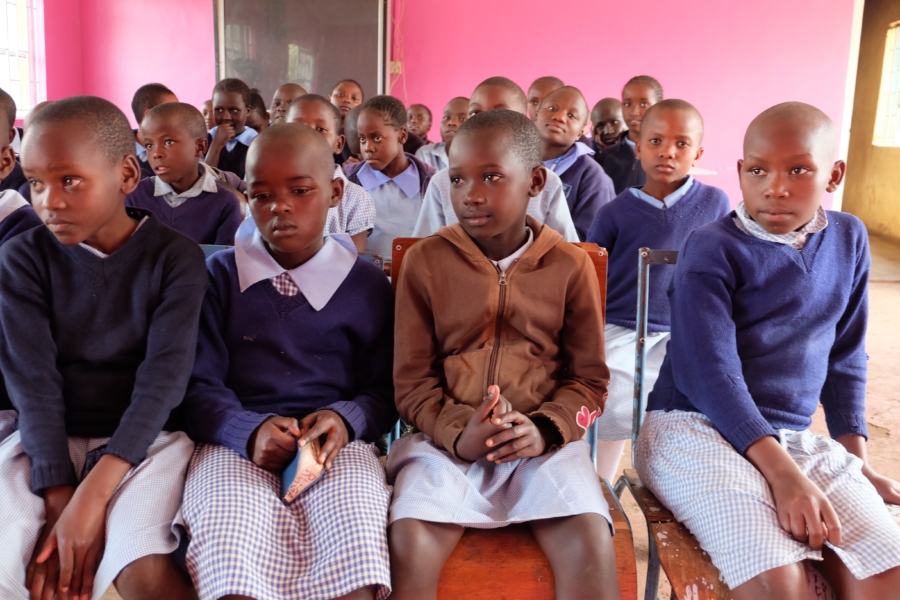
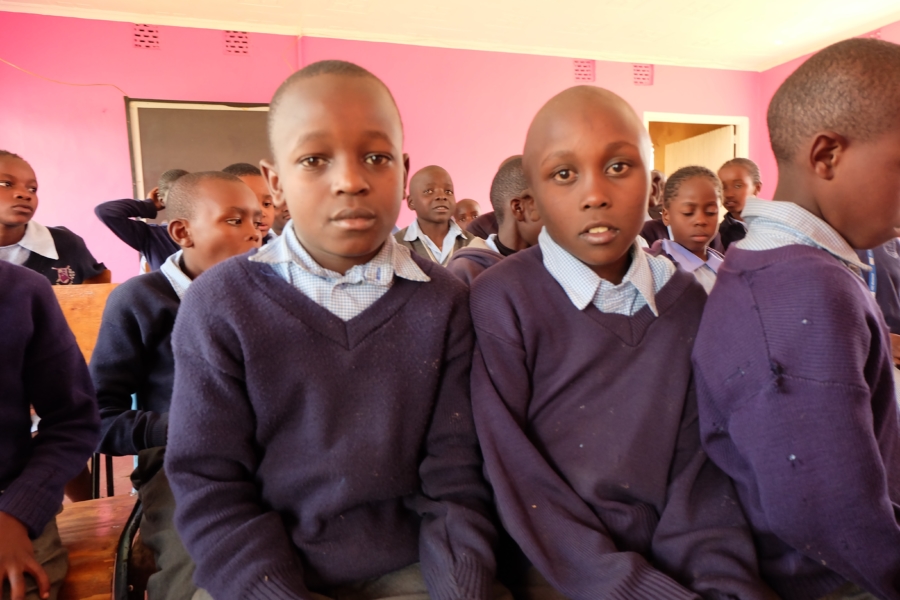
Msamaria is a community center for street children in the Karen and Kibera area of Nairobi, Kenya. Its primary school, St. Nicholas School, educates both boarding and day students, and Children Incorporated supports 21 of those students.

Msamaria is a community center for street children in the Karen and Kibera area of Nairobi, Kenya. Its primary school, St. Nicholas School, educates both boarding and day students, and Children Incorporated supports 21 of those students.

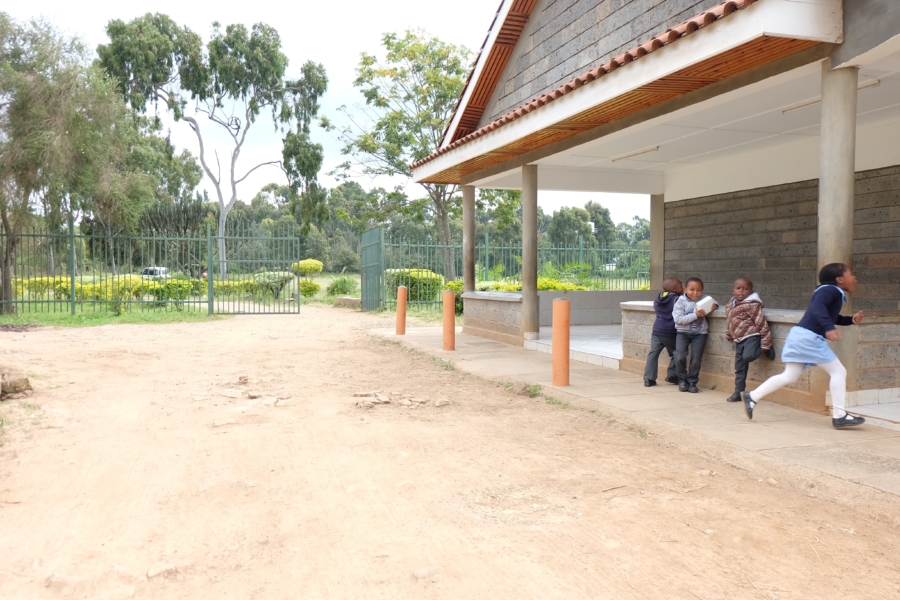
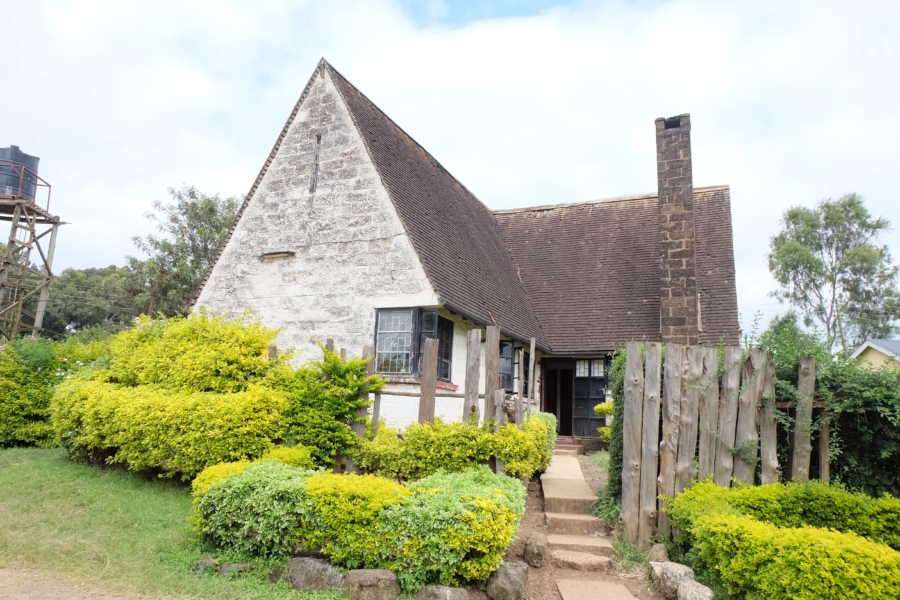
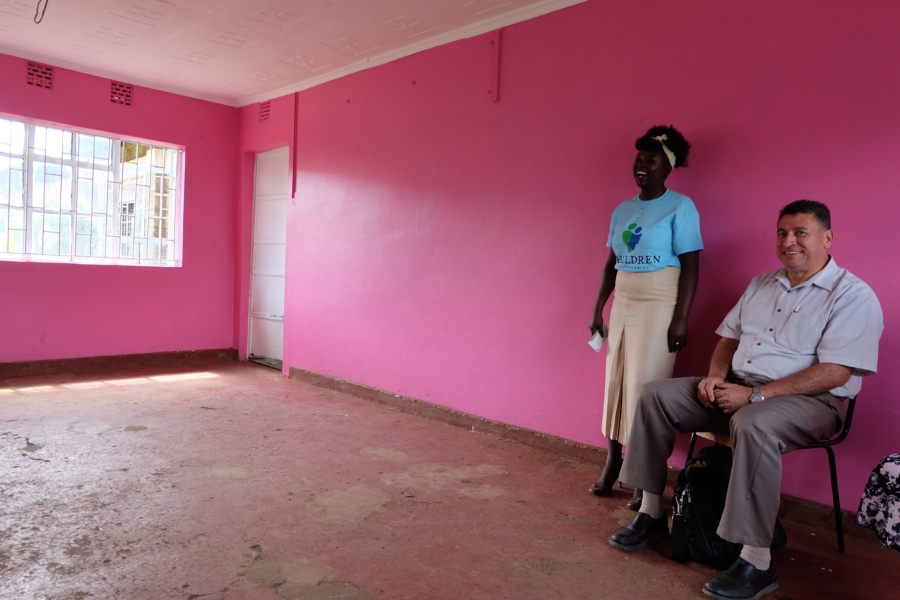
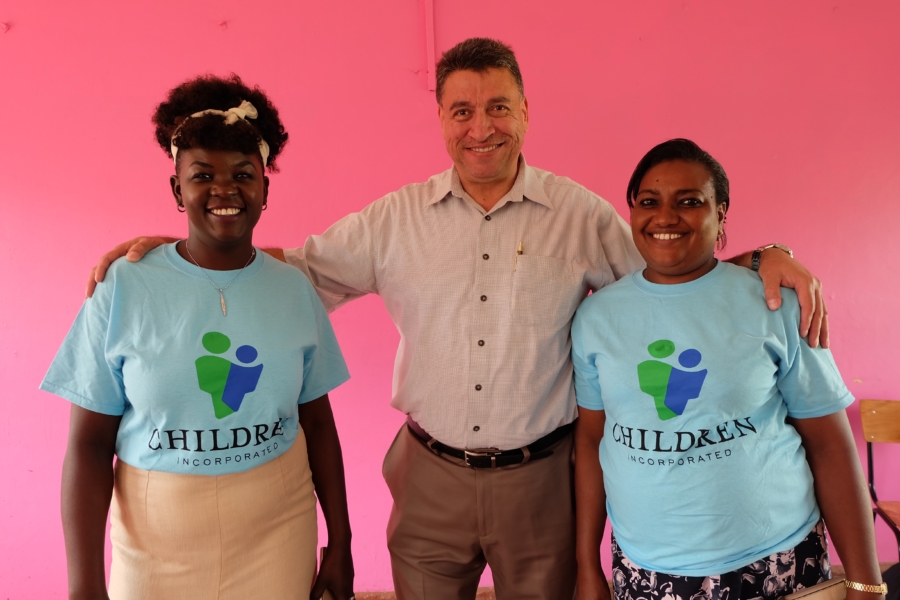
On our first day in Nairobi, we plan to visit Msamaria, and St. Nicholas’s director, Naomi, picks us up at our hotel. Msamaria is only about five kilometers away, but the ever-present Nairobi gridlock makes it seem much farther. When we arrive, I’m immediately struck by how beautiful and well-kept the property is. I learn that it was bought by the Anglican church in 1986 from an American who had built her home on the grounds— a home that’s still used for board meetings and other events. Each building on the compound is graceful, with nice tile floors and surrounded by lush greenery. It’s very clear from the first that Naomi and her staff make every possible effort to keep their program running smoothly. Considering the slums that we’ve already toured, this is a 180-degree turn for Nairobi street kids.

We meet our social worker, Caroline, who works closely with sponsored children, along with the headteacher, Phantes. They talk to us about St. Nicholas’s formal education (kindergarten through eighth grade) — admission is application-based, giving concerned community members an opportunity to recommend children from the Kibera slum. Caroline reviews the applications and makes home visits to get to know the children better. Some are orphaned, some are abandoned and all are struggling to survive. These are absolutely the most desperate children I’ve encountered on our trip.

For that reason, St. Nicholas School has found a way to eliminate fees and break down barriers for Nairobi’s poorest and loneliest children.

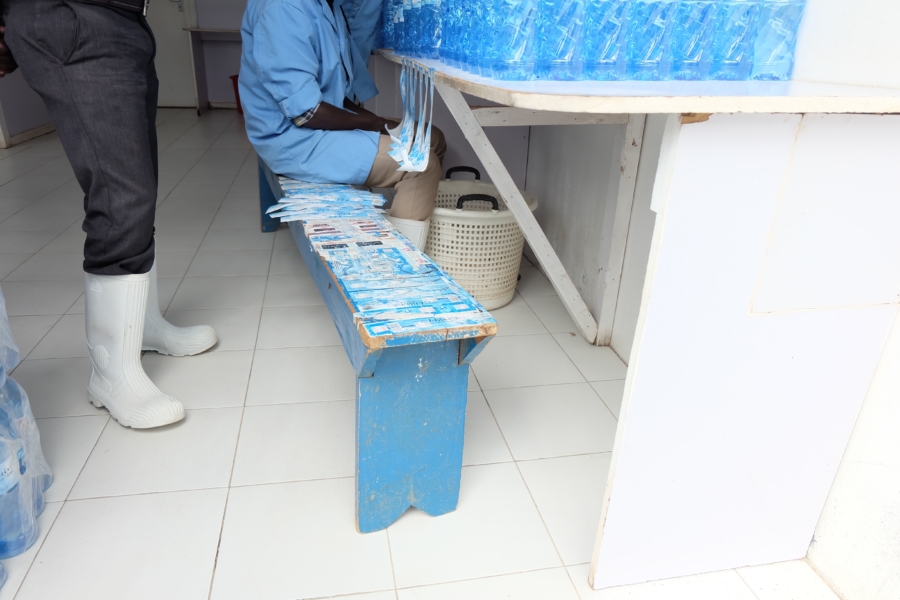
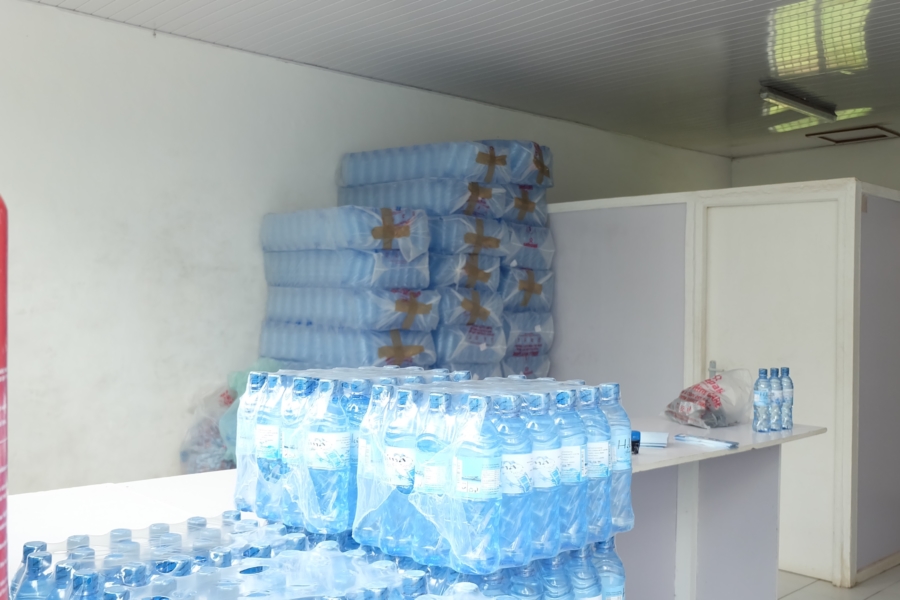
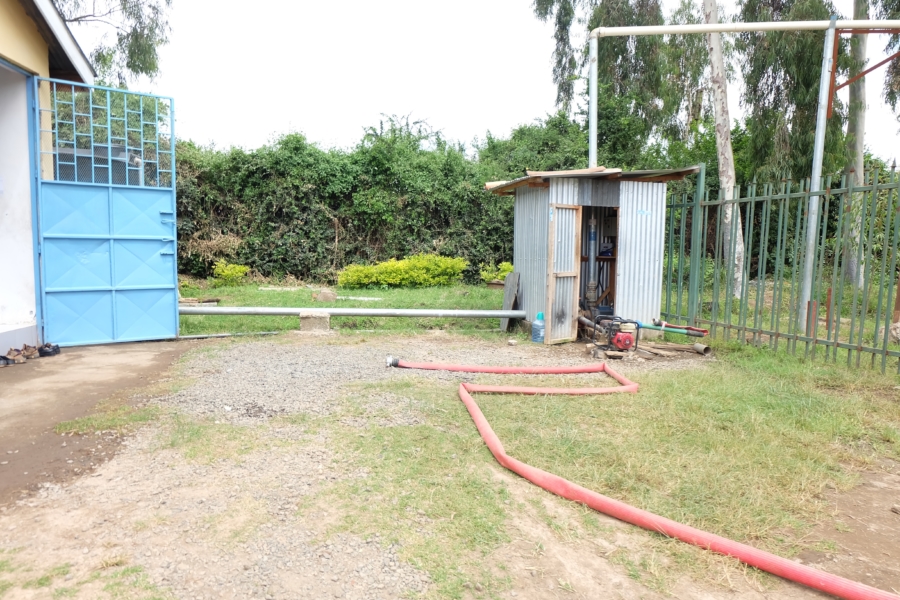
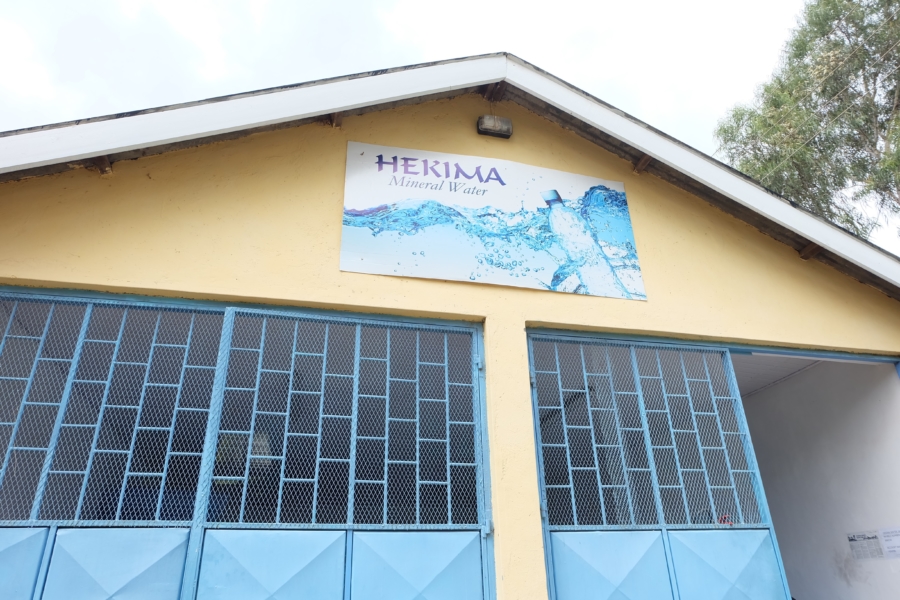
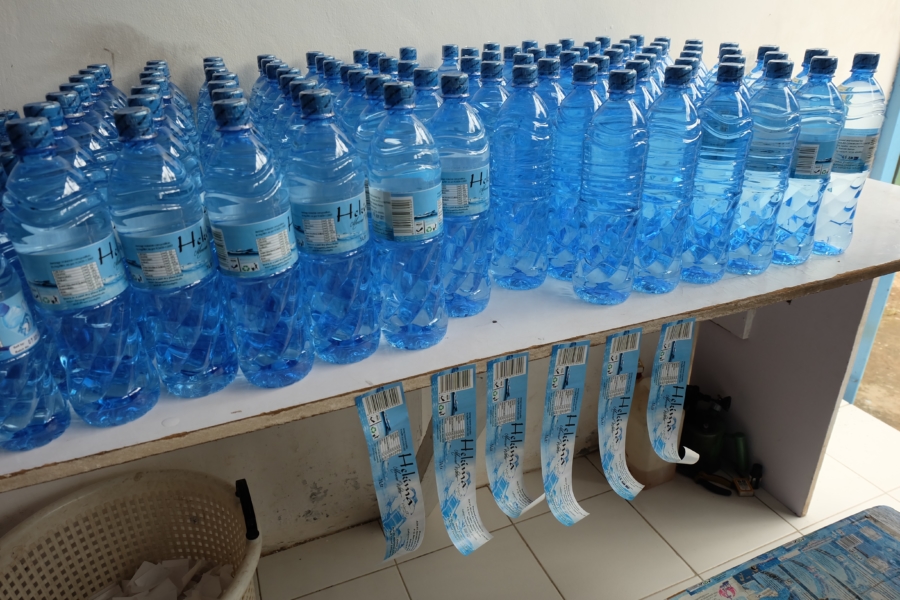
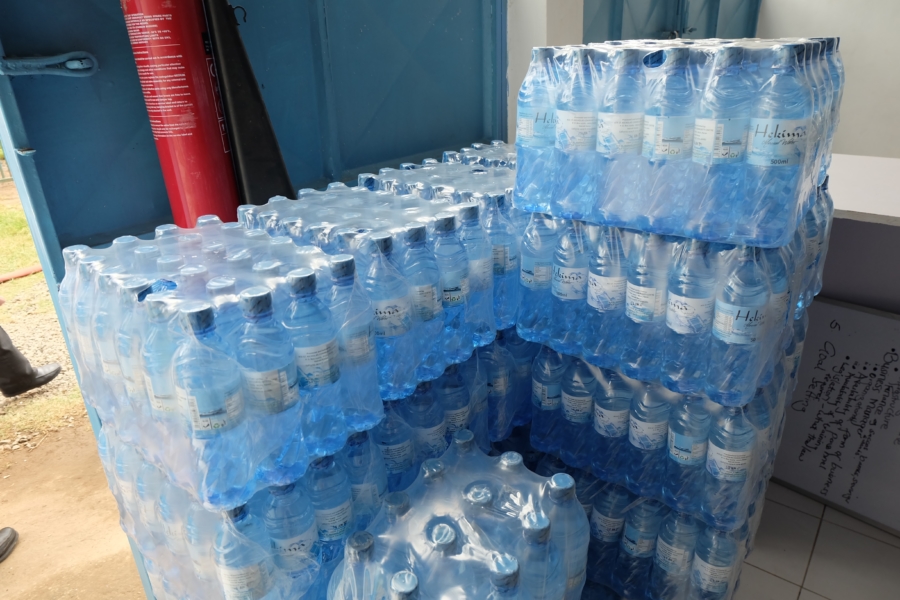
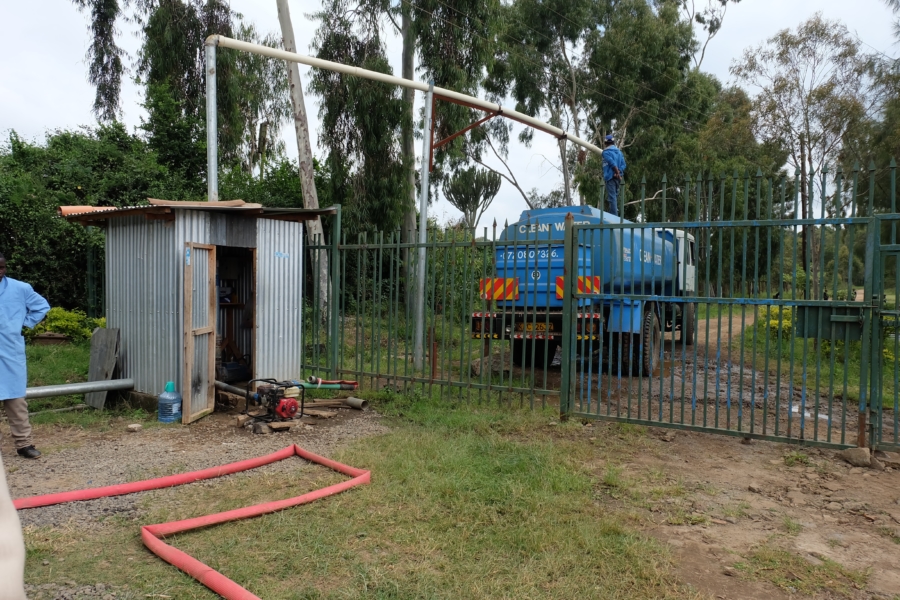
With a self-sustainability program unlike any I’ve seen in Kenya thus far, St. Nicholas supports its students by selling bottled water. Naomi, who is one of the sweetest, toughest, and most hard-working people I’ve ever met in my life, took out a loan to start a bottled water factory. They pump water directly from the property, using a borehole and a motorized water pump, and the $2,000 they make per month goes towards paying the staff, supporting the programs, and feeding the children.

If that weren’t impressive enough, Naomi tells us about the school’s agricultural program, which grows maize, carrots, and tomatoes. Selling some of those vegetables along with milk from cows on the property (and consuming the rest), the school is able to supplement its income and stay the course on its commitment to a no-fee structure.

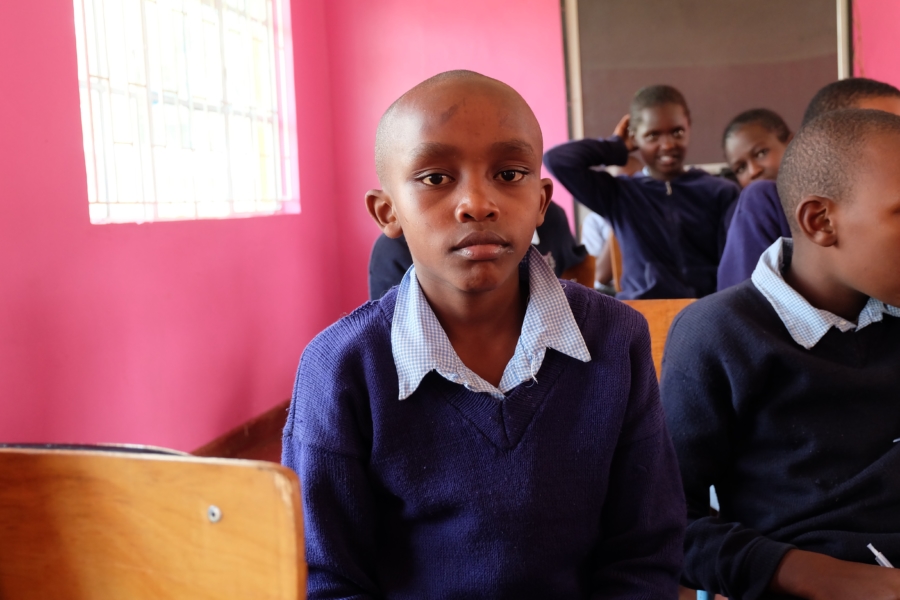
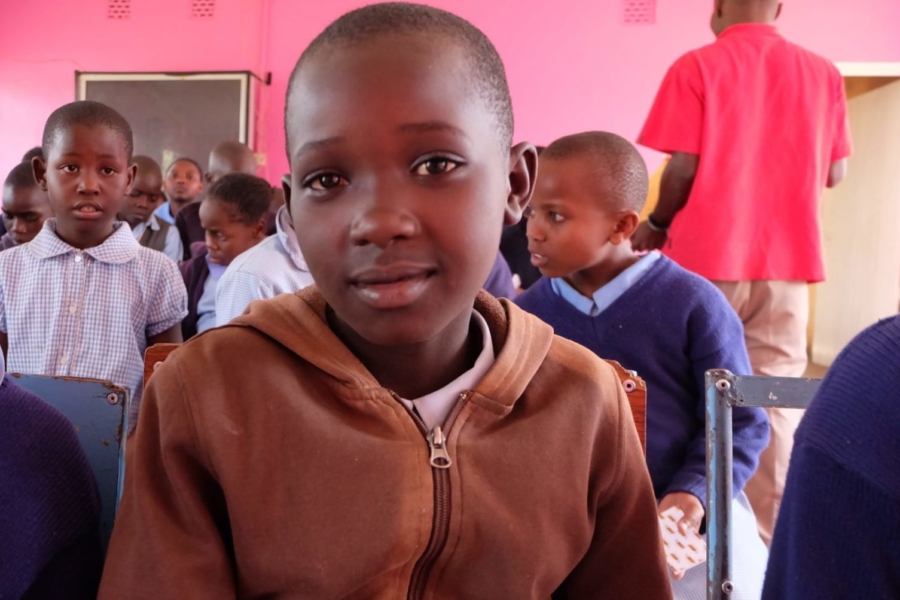
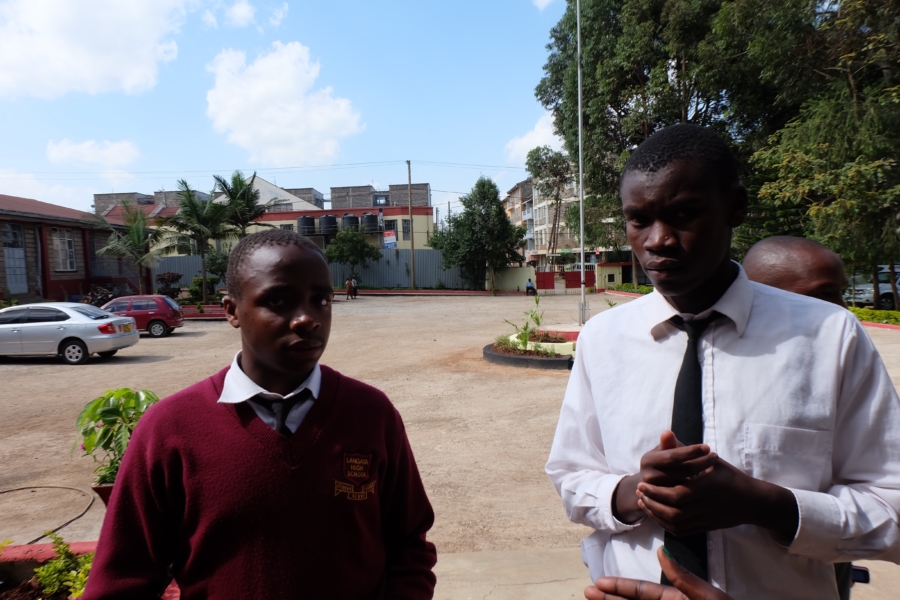
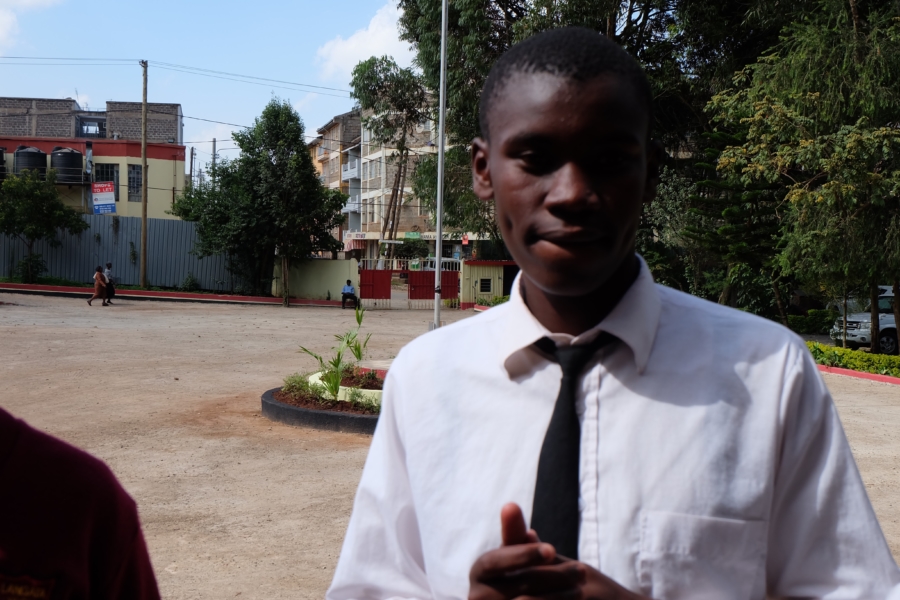
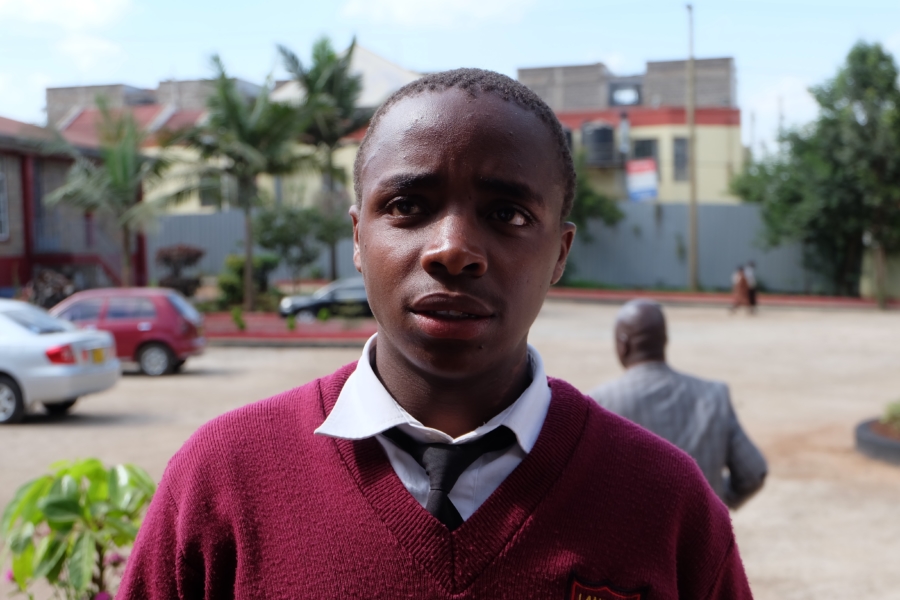
Our favorite part of each visit is, of course, getting to meet the children themselves. Two Children Incorporated sponsored children speak to us excitedly about soccer and school. Both are orphans, both have grown up at Msamaria, and both were very interested in sending greetings and thanks to their sponsors.

It feels good to see sponsor support at work here at Msamaria. We’ve provided mosquito nets, items for personal hygiene, school supplies, and food. When students age out of St. Nicholas and begin attending a local high school, they will need funding to continue their studies. The more children we are able to get into schools like St. Nicholas, the more opportunity they have for an education and a chance at rising above poverty.

***

HOW DO I SPONSOR A CHILD IN KENYA?

You can sponsor a child in Kenya in one of three ways – call our office and speak with one of our sponsorship specialists at 1-800-538-5381, email us at sponsorship@children-inc.org, or go online to our donation portal, create an account, and search for a child in Kenya that is available for sponsorship.
SPONSOR A CHILD

written by Shelley Callahan

Shelley is the Director of Development for Children Incorporated. She is also the lead social correspondent, regularly contributing insights through the Stories of Hope blog series. Sign up for Stories of Hope to receive weekly email updates about how your donations are changing the lives of children in need.
» more of Shelley's stories