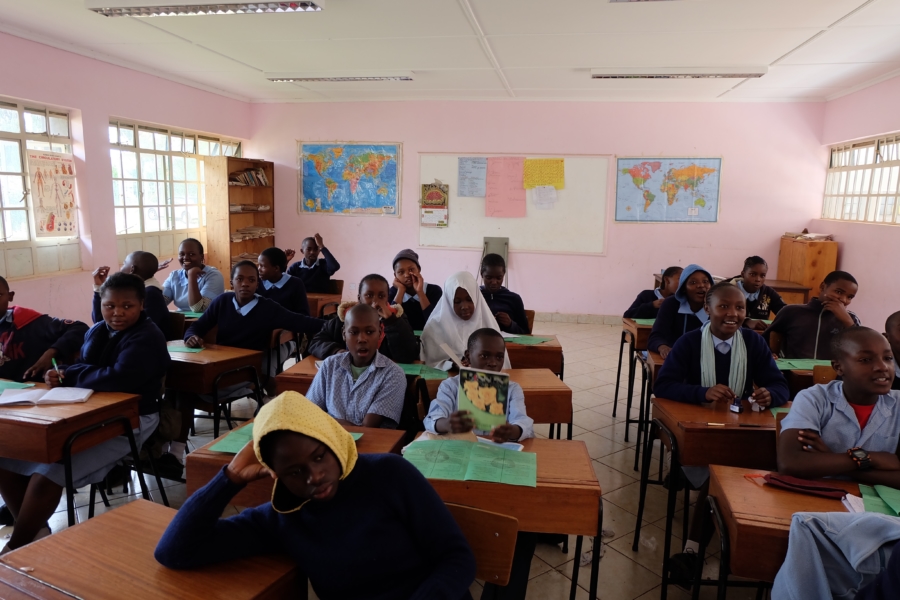
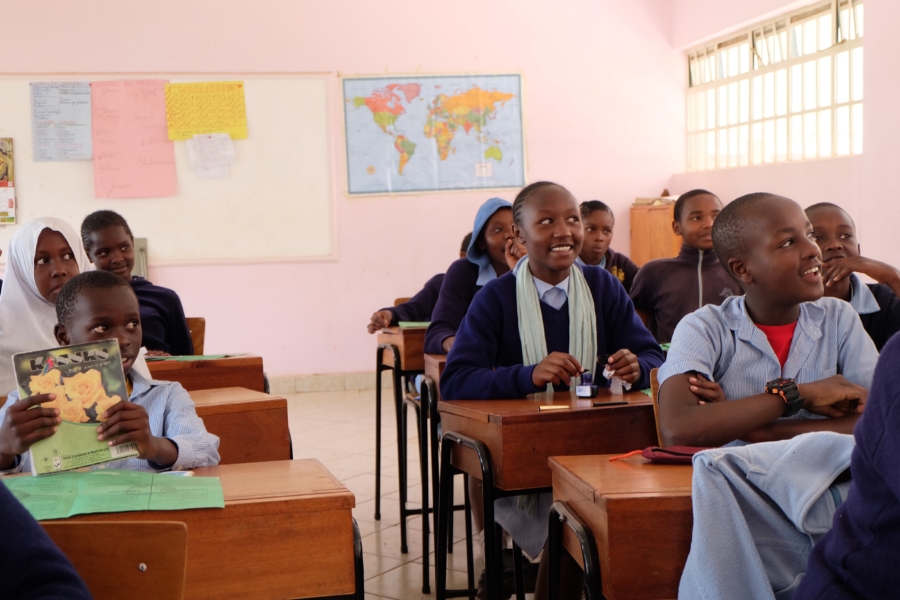
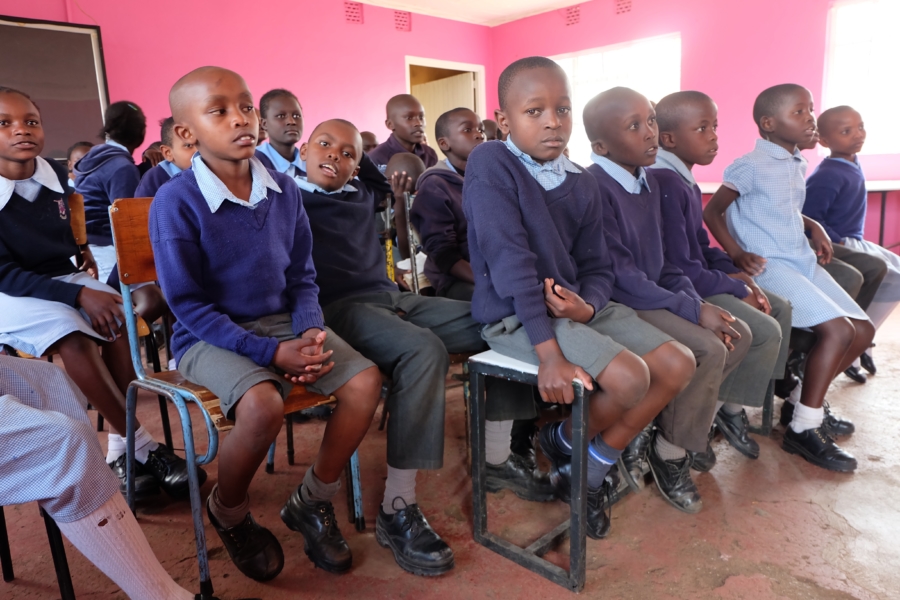
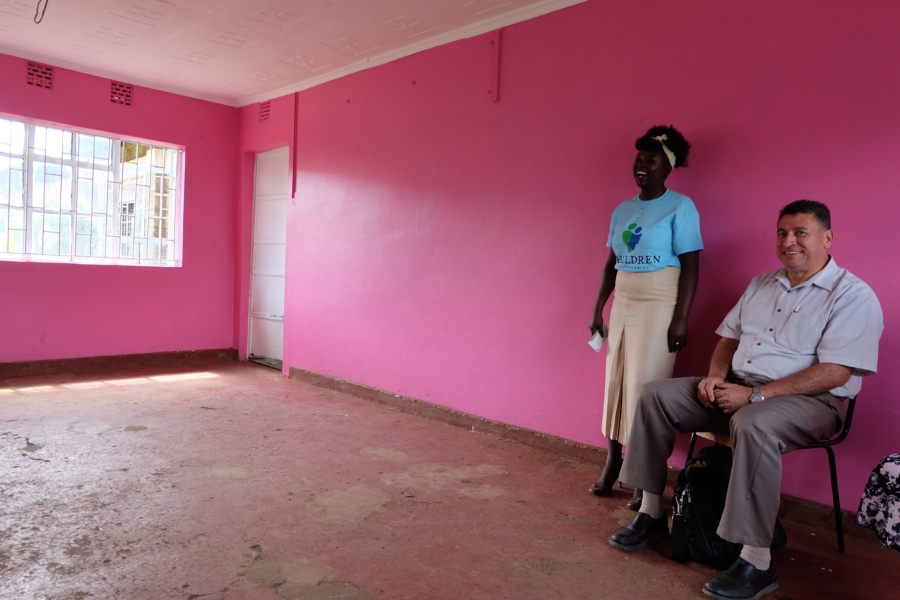
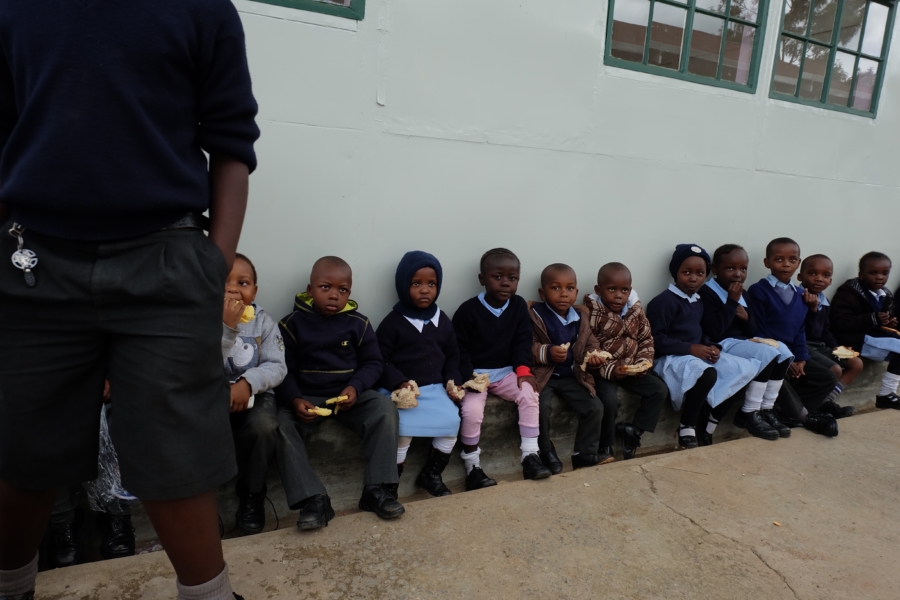
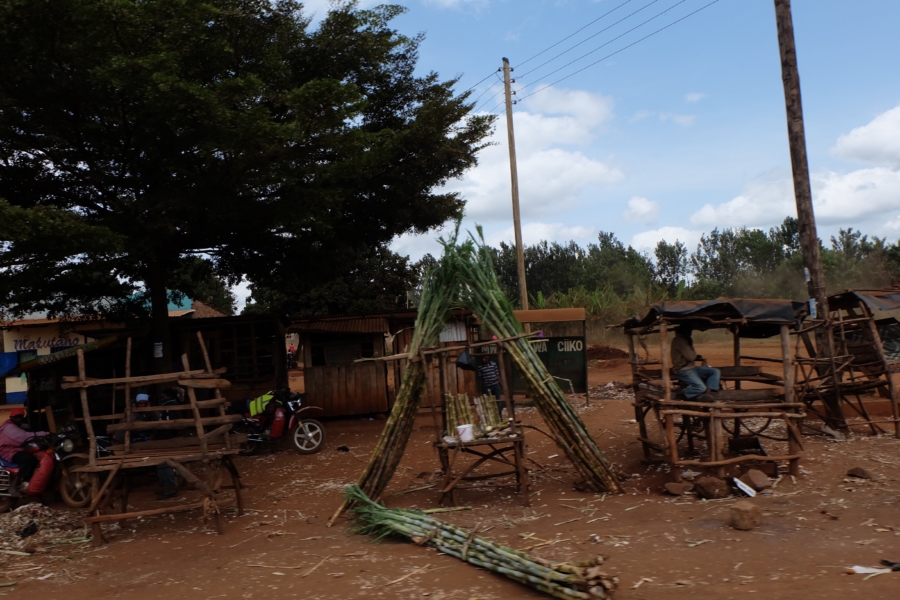
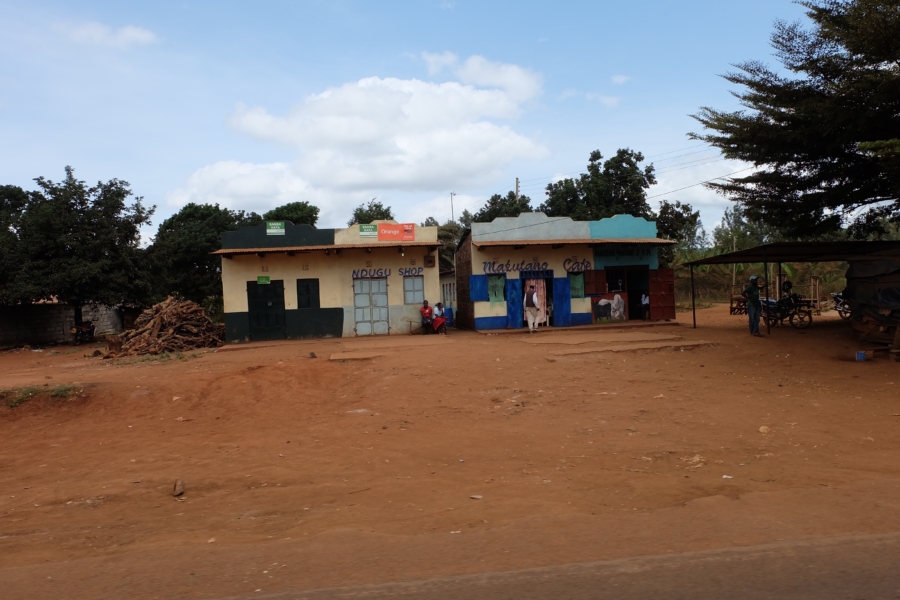
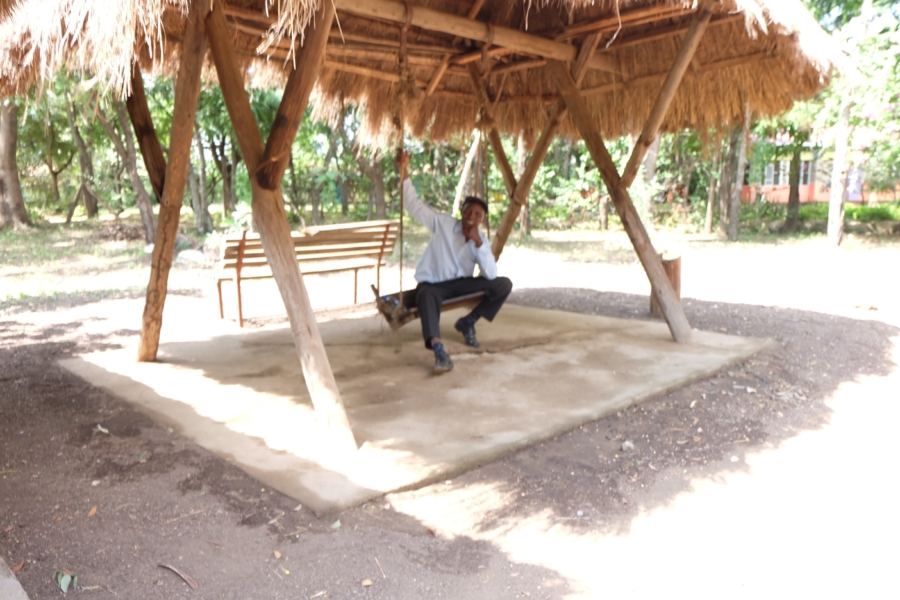
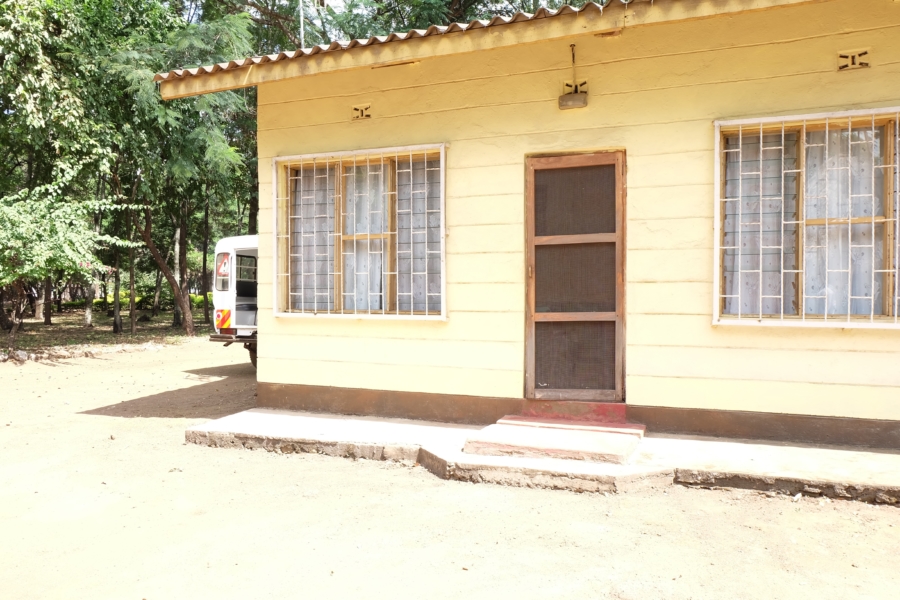
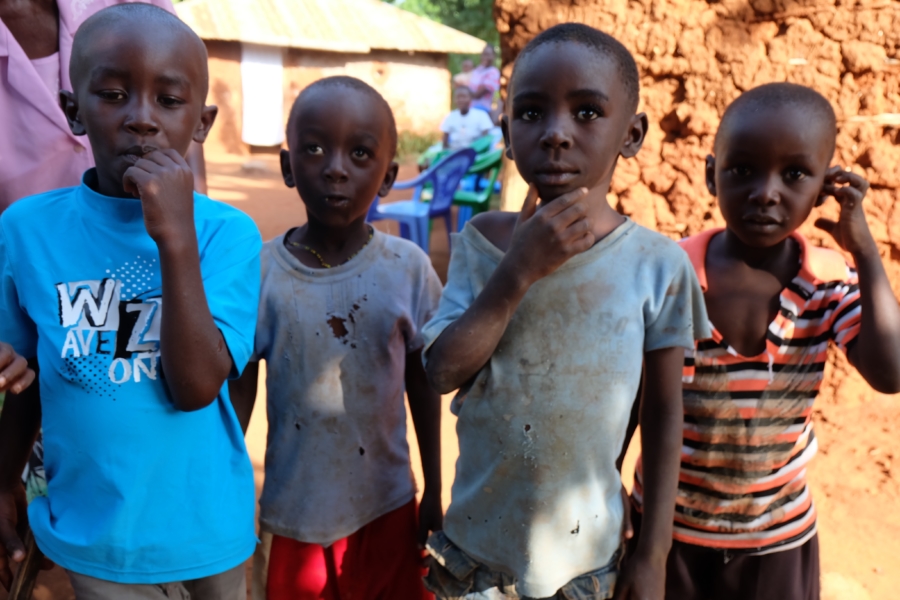
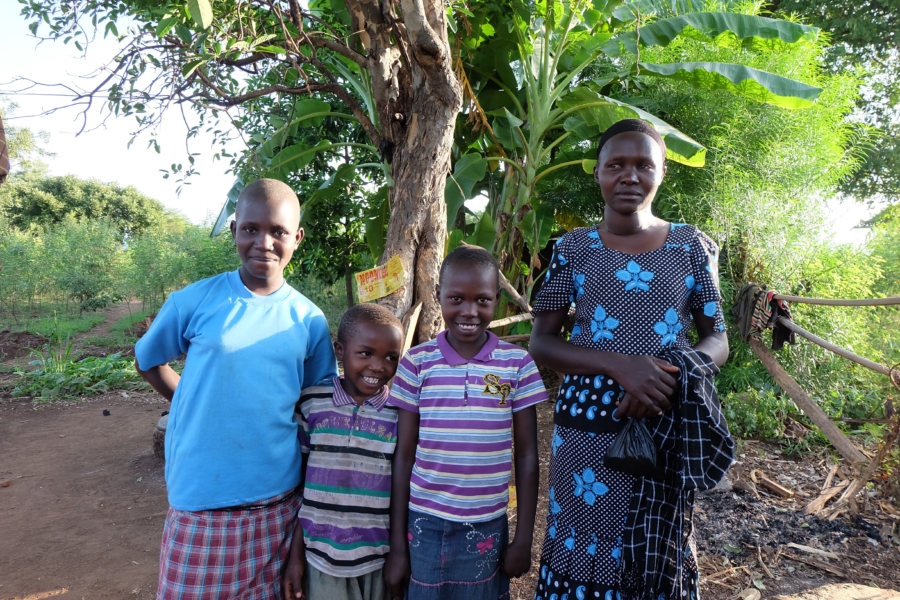
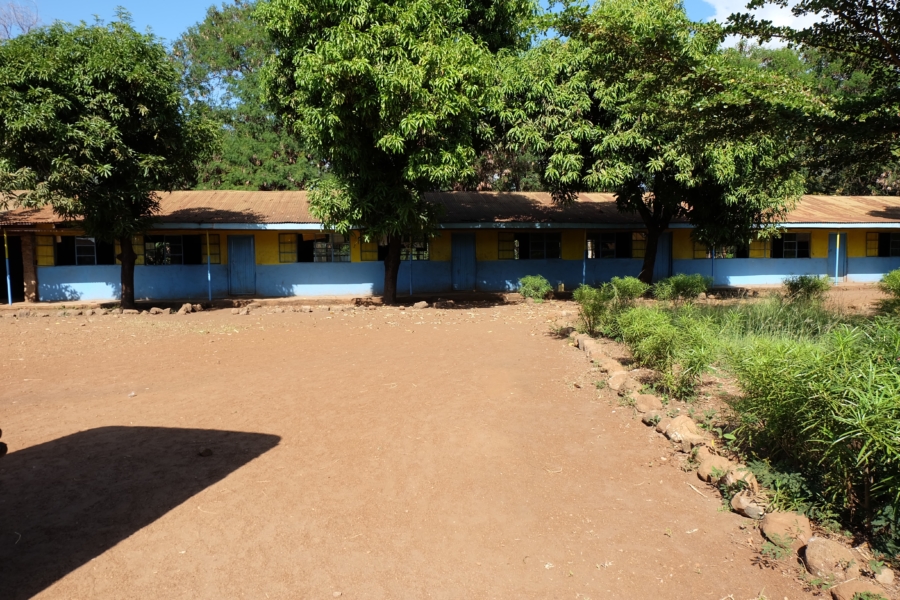
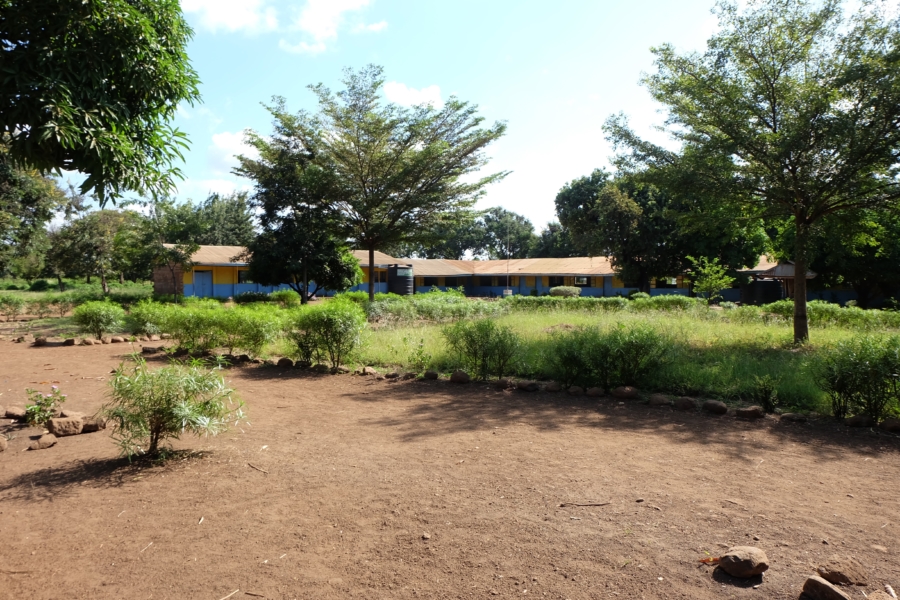
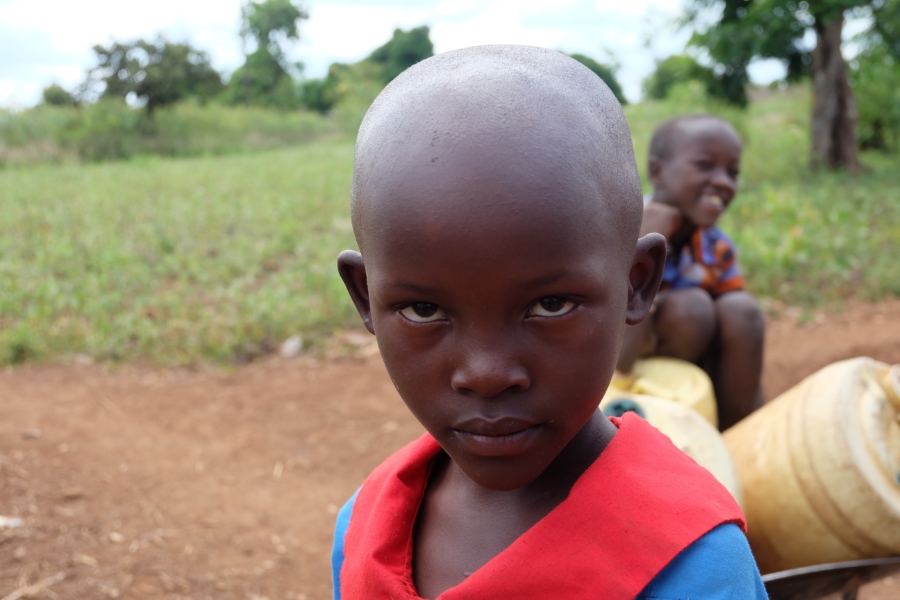
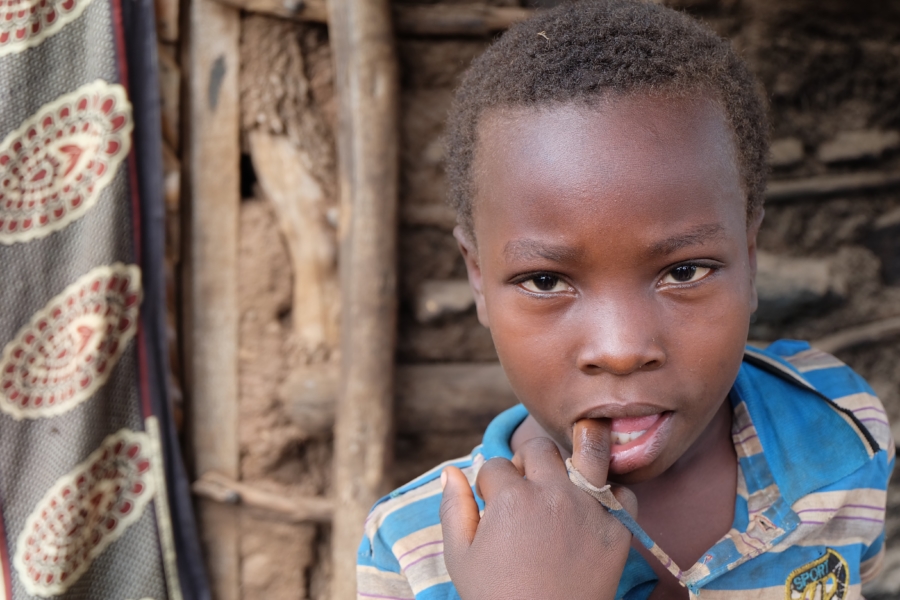
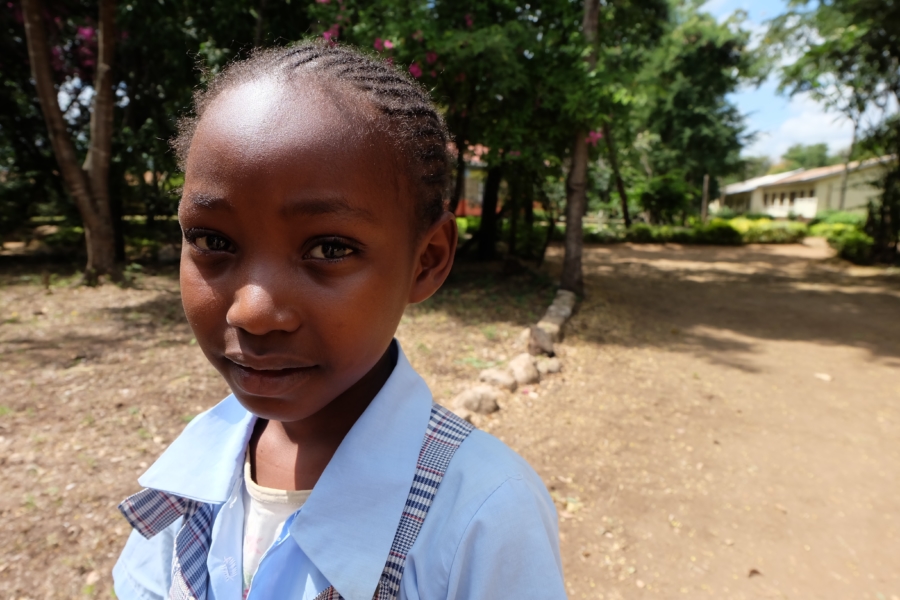
When Luis Bourdet and I traveled to Africa earlier this summer, we found ourselves, as always, deeply impressed by the programs and centers we visited and the hard-working people who run them.
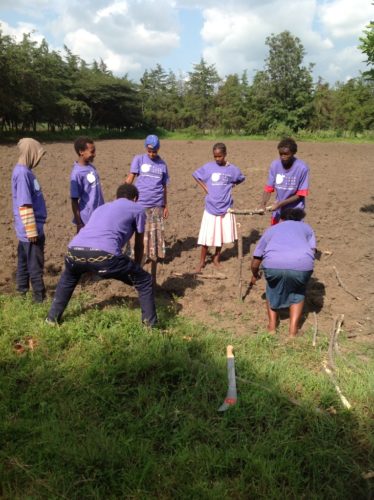
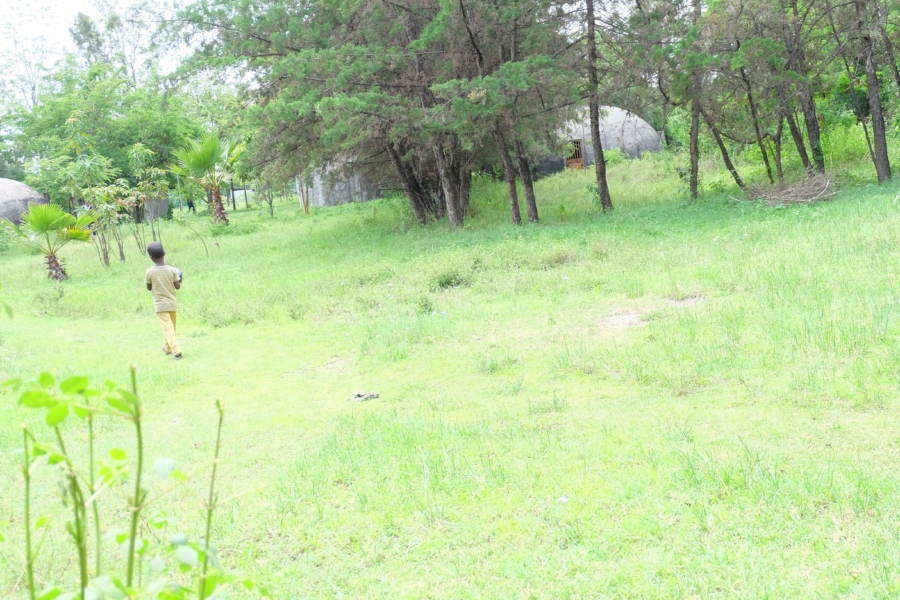
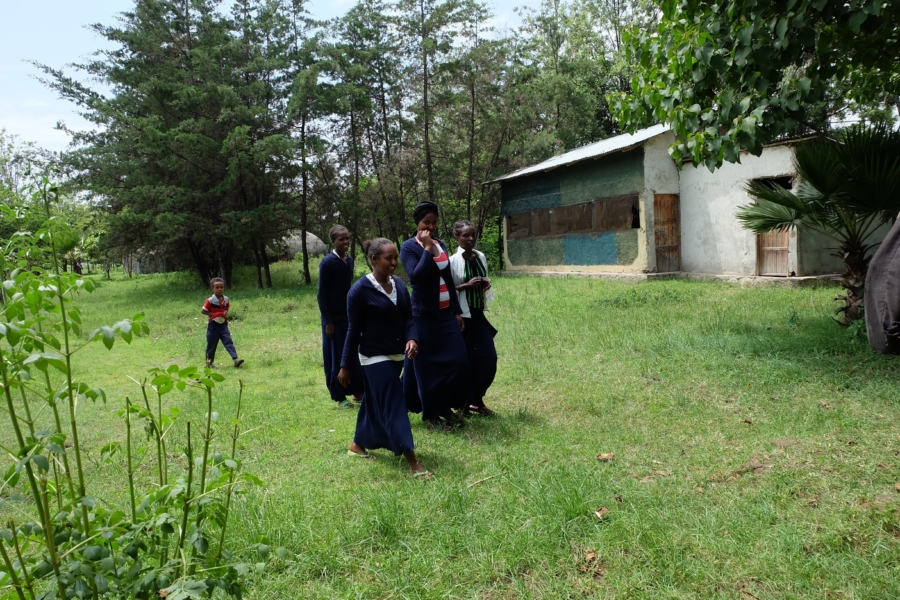
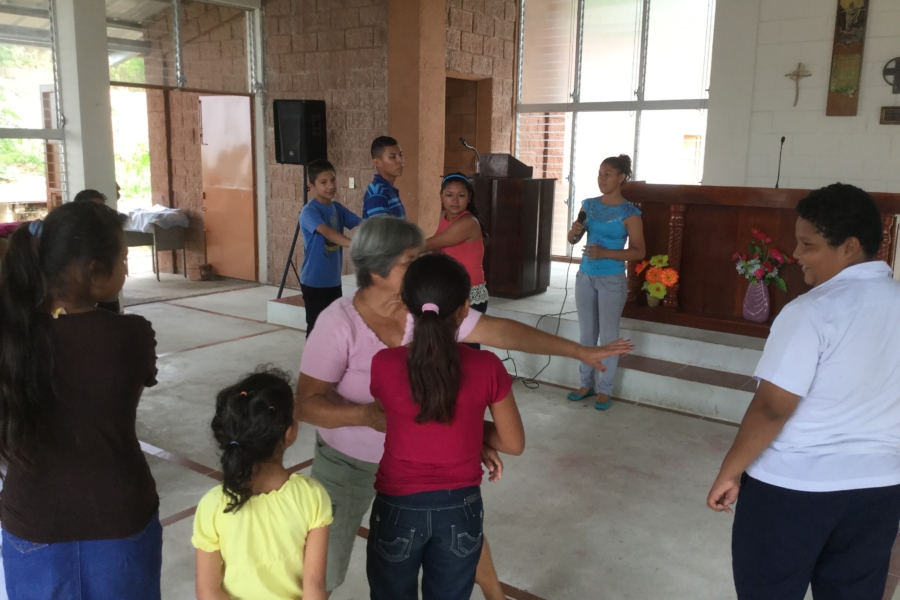
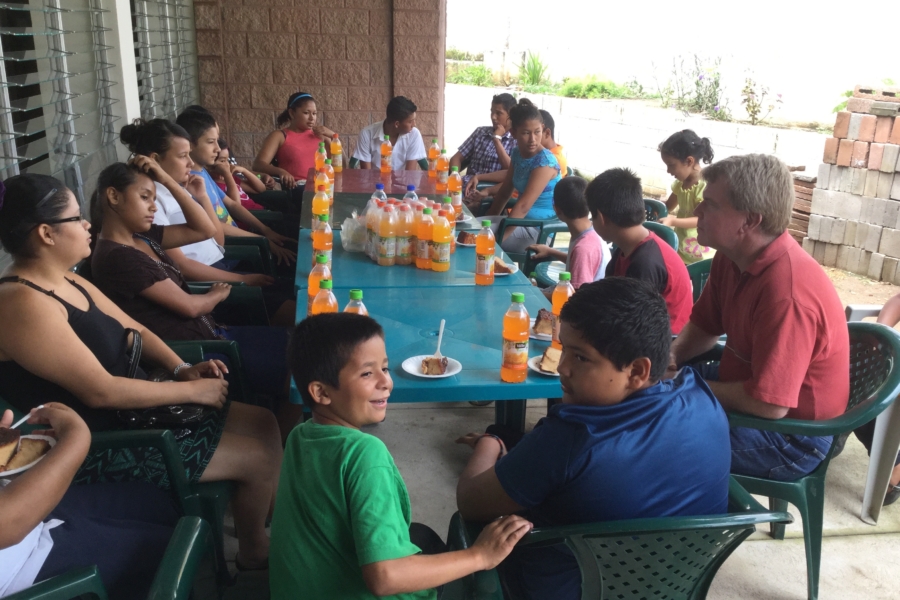
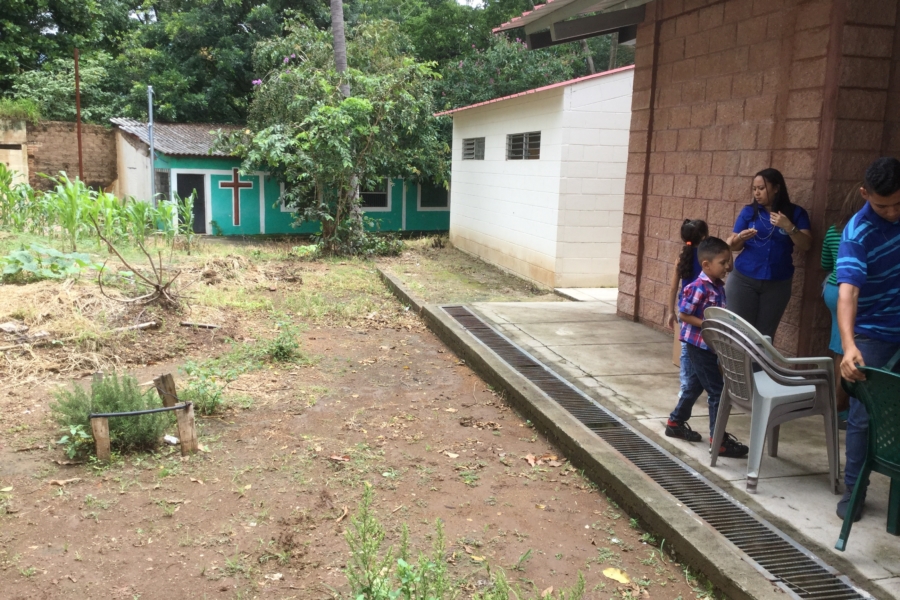
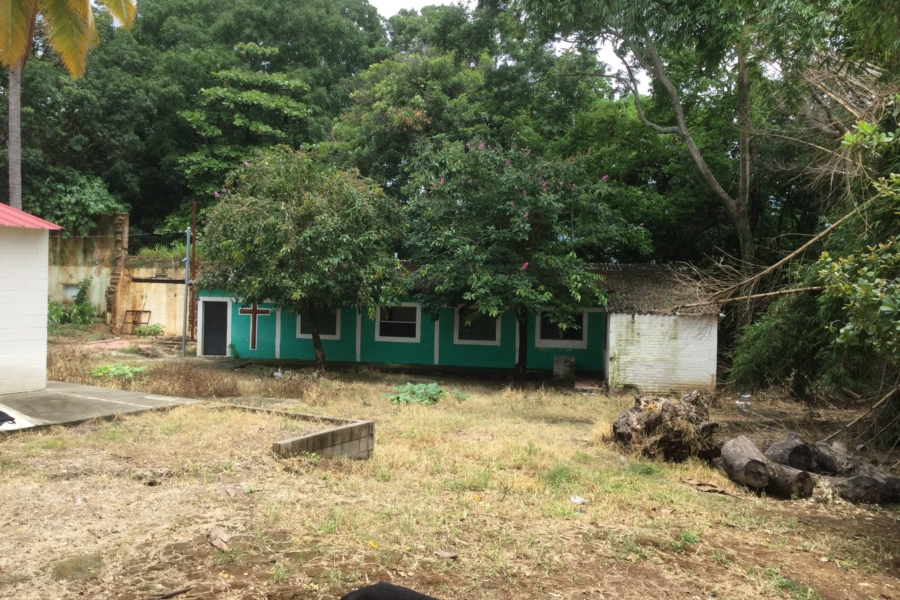
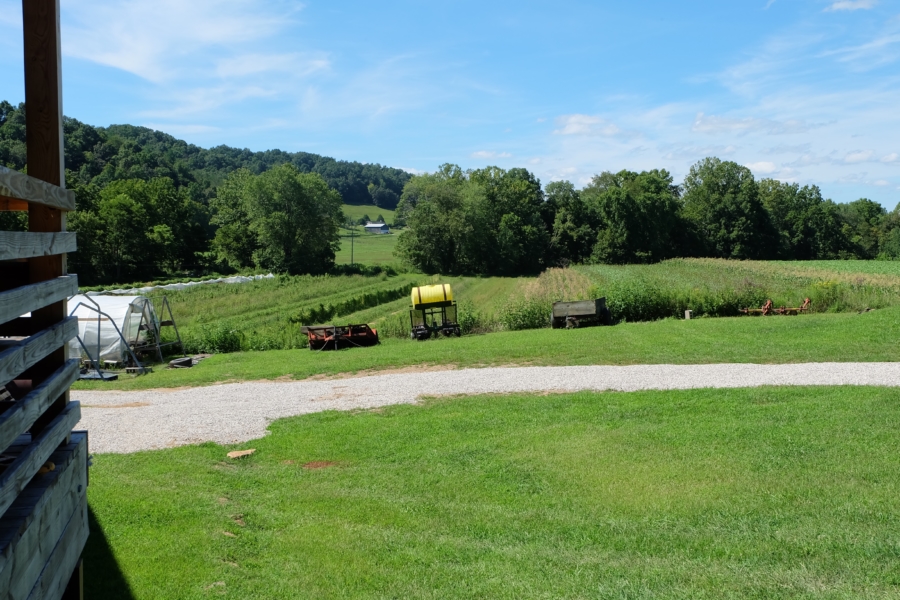
The beginning of gardening work at Kids Hope.
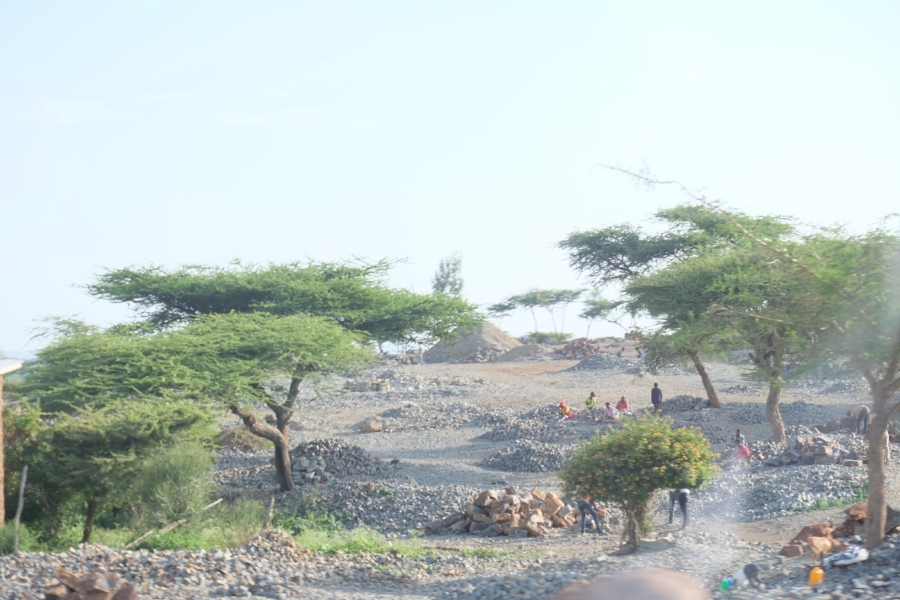
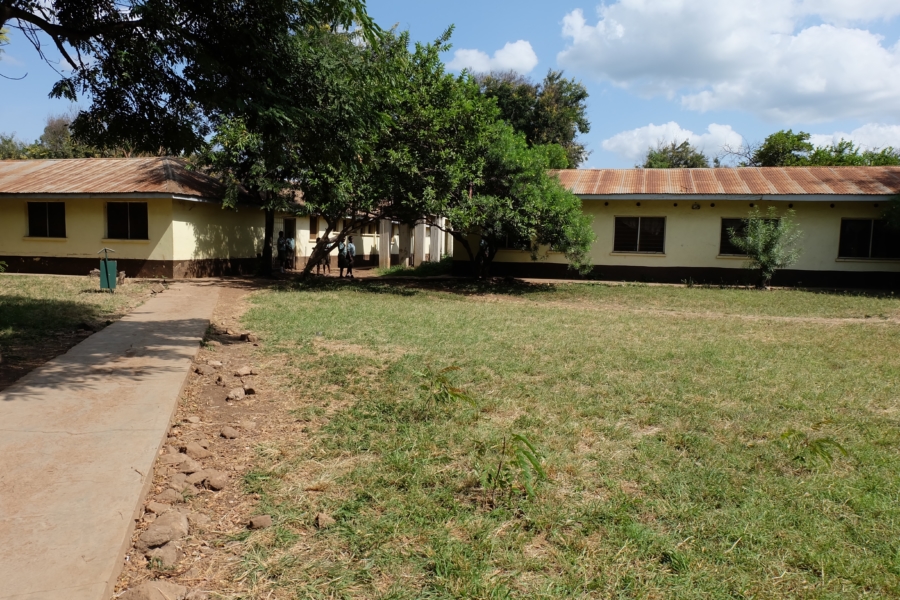
A five-acre compound that schools, houses, and nurtures the disadvantaged children of rural Ethiopia is supported by the child sponsorship organization, Canadian Humanitarian. In the area outside of Shashamane, life is both easier and tougher for Ethiopian children.
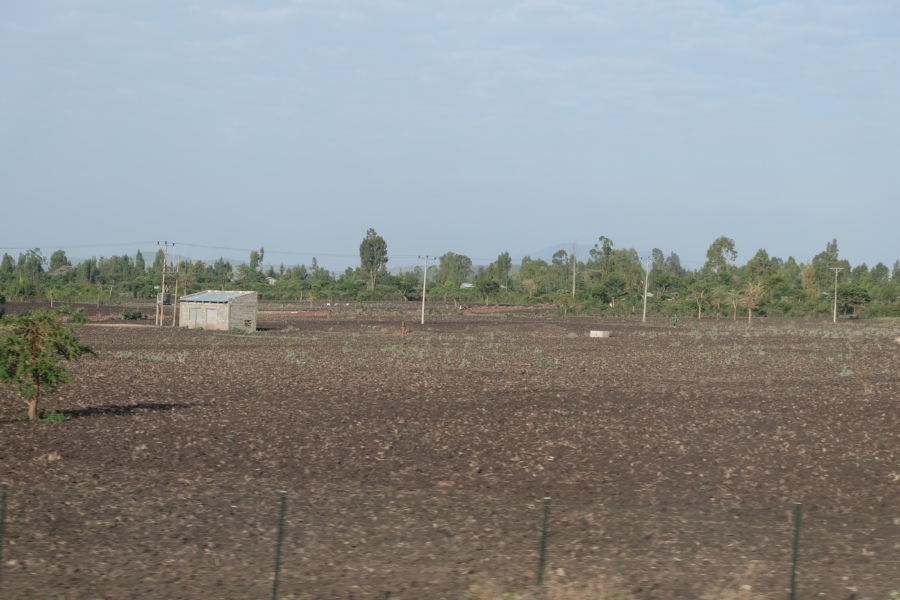
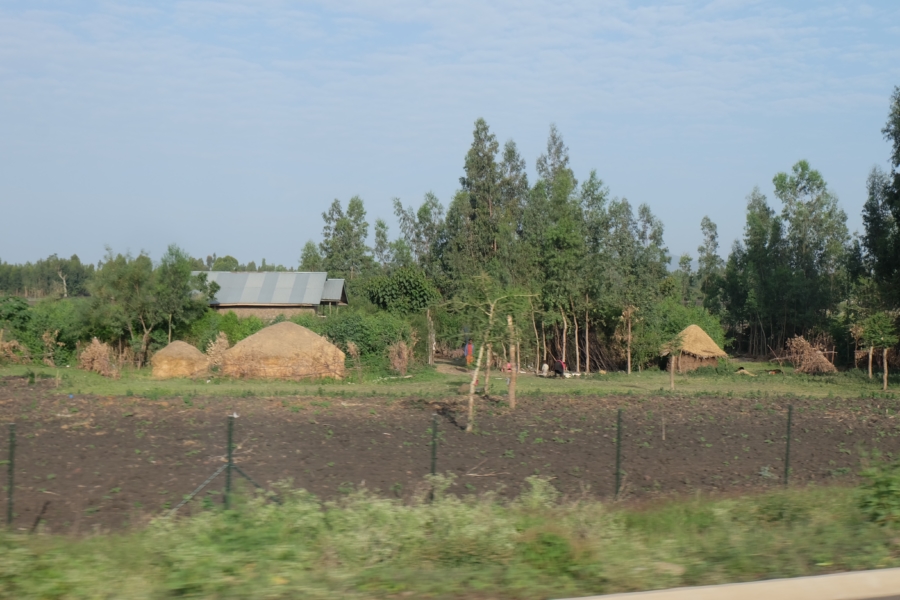
While they don’t suffer from the closely-packed life of the slums, with its crime, disease, and scarcity caused by overcrowding, they also live a life of isolation. It’s harder to get from one place to the other in the country, especially when roads aren’t maintained and distances between home and school are vast. The land is ripe for cultivating crops, but the people are so poor that even the basic farming supplies (even seeds!) aren’t available to them.
Skills for a lifetime
Bisrat Sime, Kids Hope’s Director, had high hopes for some of this land. The five acres on which the compound sits wasn’t being used effectively, he said, and it was perfect for a hands-on gardening program. Such an experience wouldn’t just help feed the community, it would give children the agricultural skills that would last their whole lives—perhaps even pass down to future generations.
Luis and I were struck by that idea, that the only thing separating this community from several lifetimes of positive change was simple supplies. The willingness to educate was there. The willingness to be educated was there. The environment was right. A nation was ready to feed itself.
The willingness to educate was there. The willingness to be educated was there.
Upon our return, Luis set about putting a bug in donors’ ears, and in a short time, he was able to send funds to Bisrat.
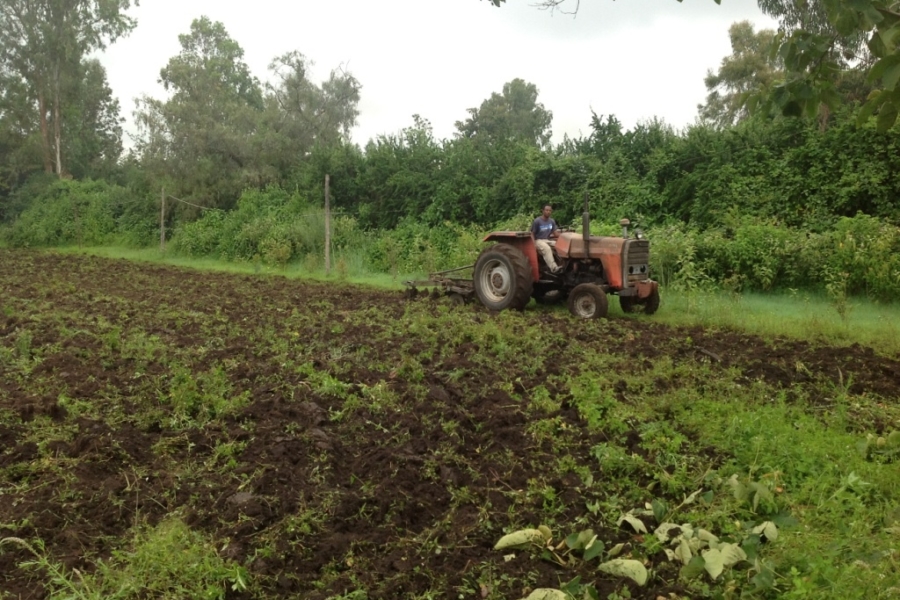
Weeks passed, and then in August, Luis received the update he’d been hoping for: the combined efforts of a tractor and oxen plow (bought with the money they’d received) had cleared the land, and training had begun.
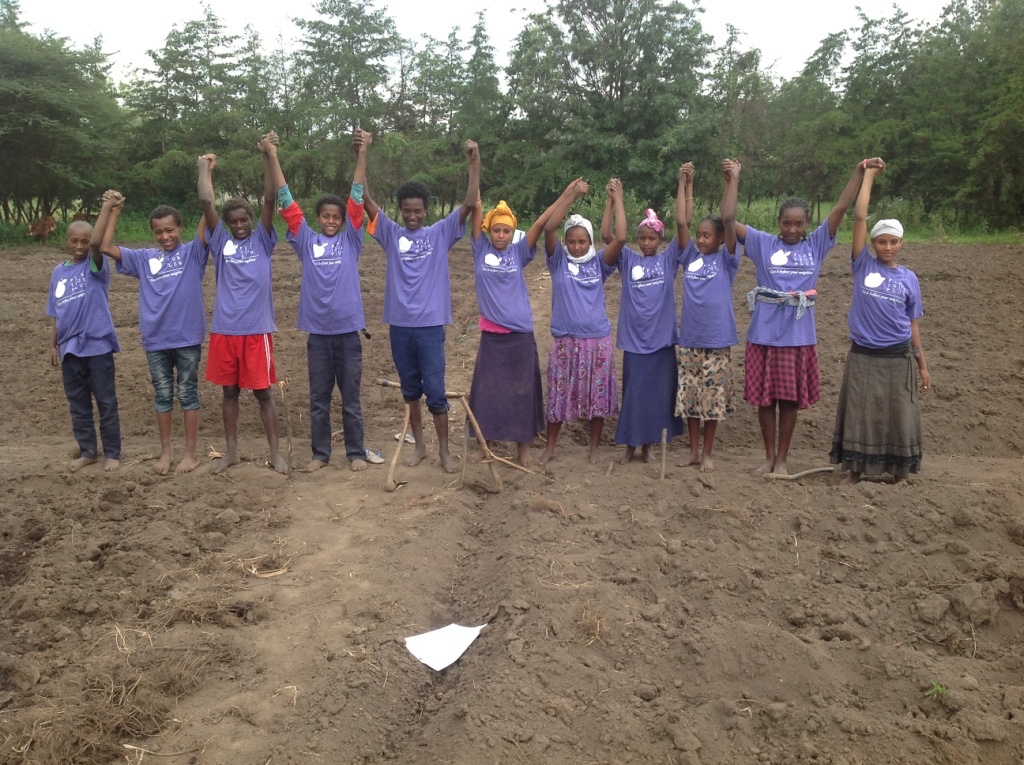
A month later, and the project was in full swing. Bisrat sent photos of children learning how to plant a fruitful vegetable garden, with emphasis put on reaping the most benefit from the land without exhausting both natural and donated resources. Like the land, the children will bear their own fruit—a healthier life fed by nutritious food and a brighter future made possible by skills-based education.
A donation to Children Incorporated goes a lot further than just a packet of seeds or even a plow. It grows into something that can be harvested over and over, making real change in the lives of not just today’s children, but tomorrow’s as well.
***
HOW DO I SPONSOR A CHILD IN ETHIOPIA?
You can sponsor a child in Ethiopia in one of three ways – call our office and speak with one of our sponsorship specialists at 1-800-538-5381, email us at sponsorship@children-inc.org, or go online to our donation portal, create an account, and search for a child in Ethiopia that is available for sponsorship.
In El Salvador, children have two choices: try as hard as they can to stay in school or submit to the constant pressure to join neighborhood gangs. Organized crime is rife in El Salvador, and recruitment starts at an early age, when kids are at their most vulnerable. Often, their parents are working and the children are home alone—that’s when gang culture starts to come knocking, angling for loyalty and increasing their numbers.
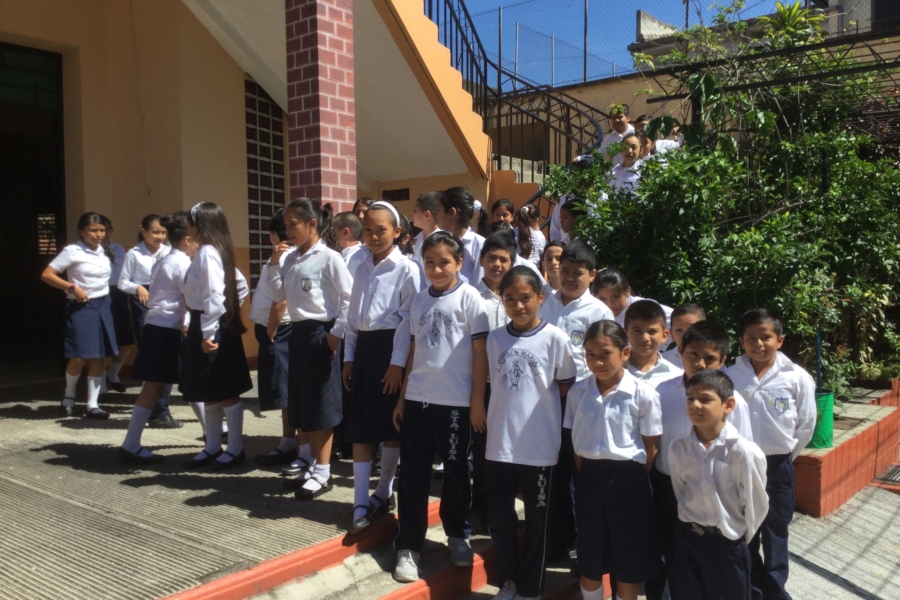
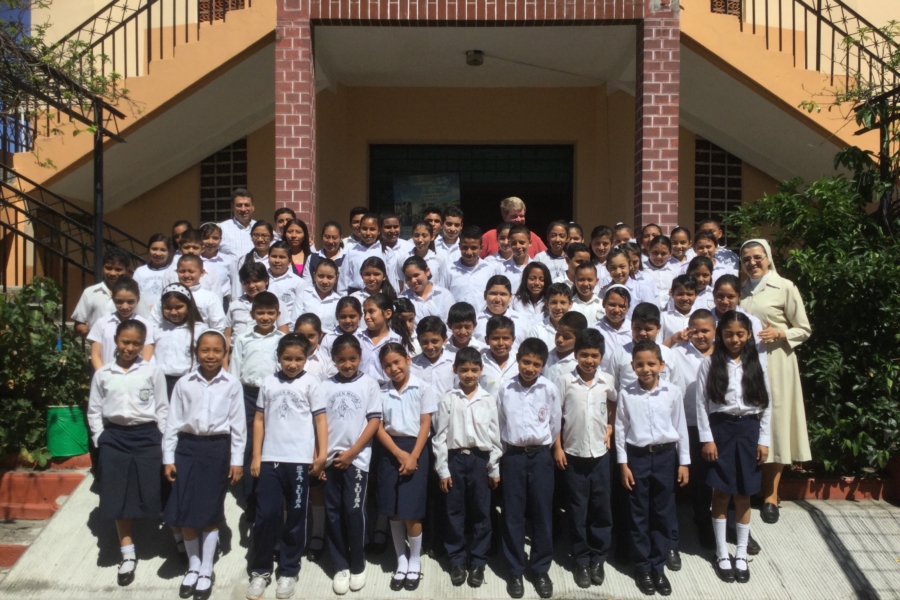
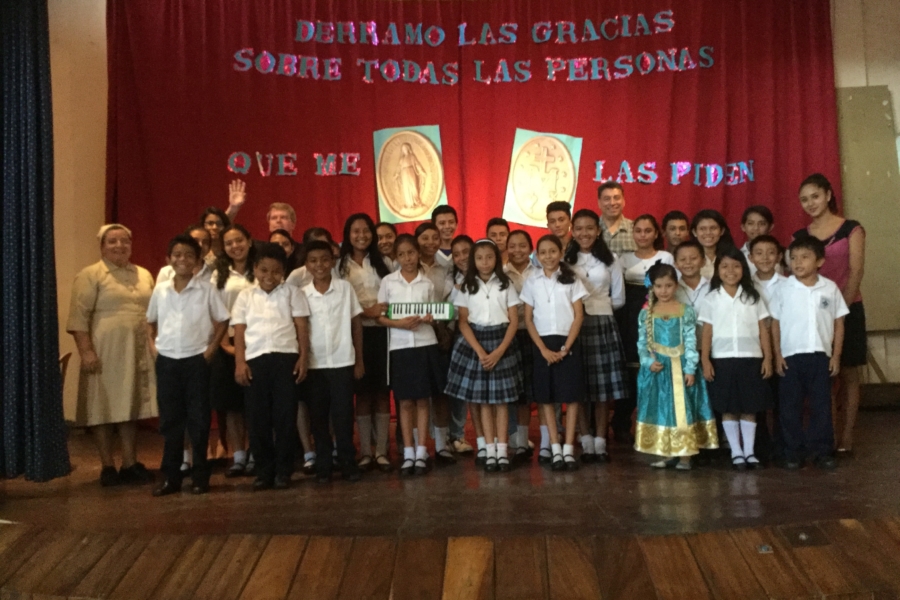
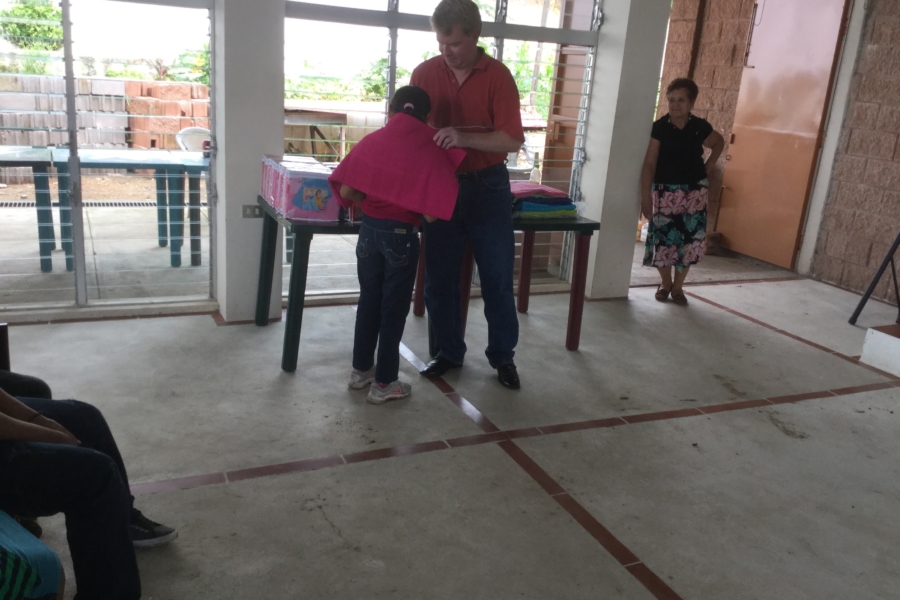
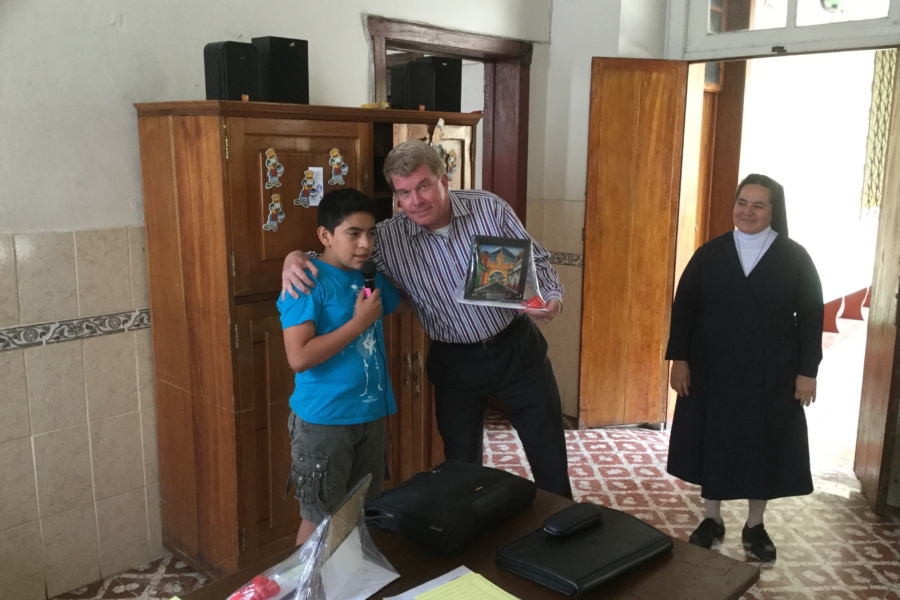
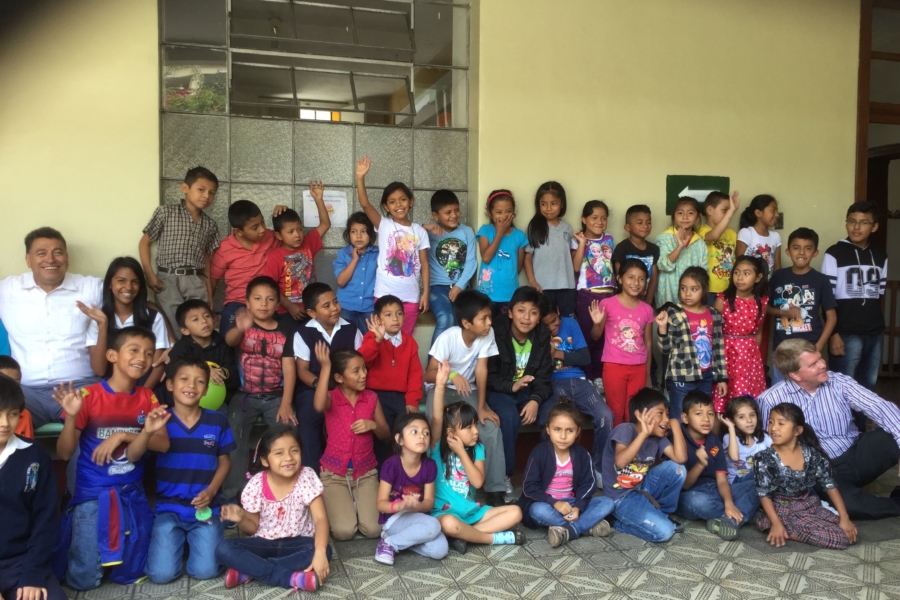
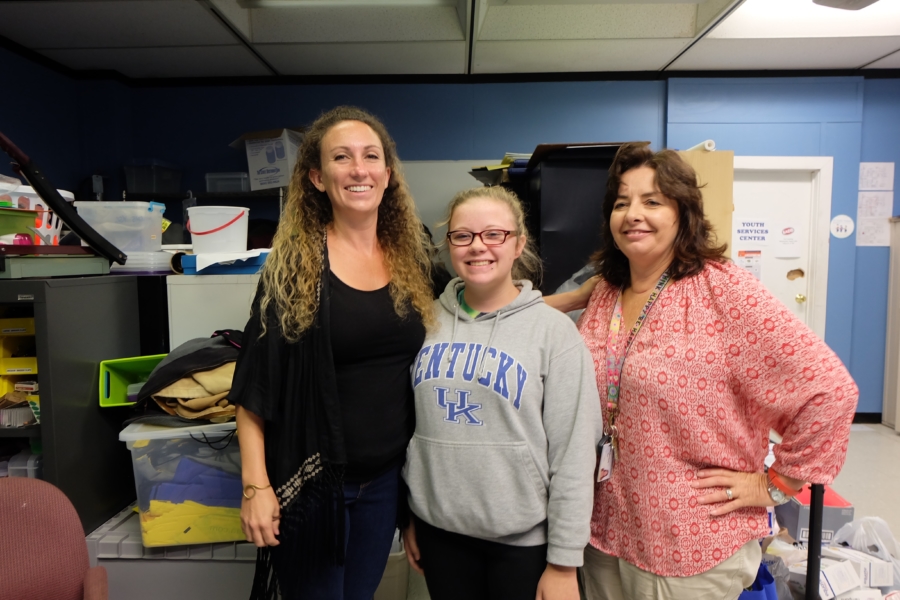
Luis is pictured with our volunteer coordinator and some of our sponsored children.
When parents are involved in their children’s day-to-day lives, they’ll have some control over their child’s activities. But that can’t always be the case, and that’s why programs like the Marillac secondary school are often the only force helping children resist an easier, but much more dangerous, way to make a living.
Opening doors to a better life
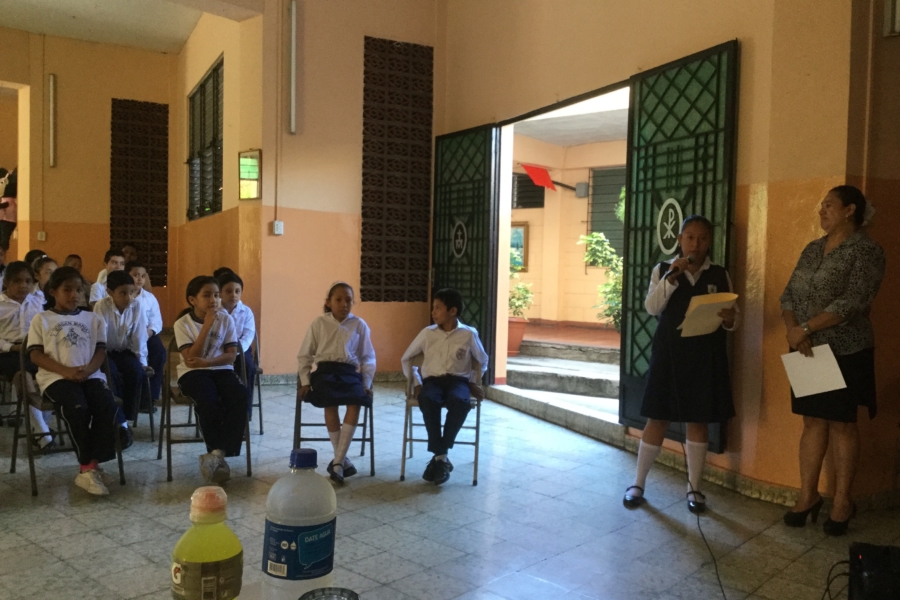
The Sisters who run Marillac focus on expanding their reach and increasing their offerings for the poor families that surround them. They recognize that children not only need education, a safe space to learn, and psychological support, but also activities that foster motivation, independence, and a sense of community. To further these goals, the sisters have put their heads together and dreamed up new facilities that sponsors have helped them become reality. A new gymnasium, a computer lab, and even a robotics program. Children Incorporated has been proud to help with the security for the lab, and even prouder to watch as the children find joy in something that will help them stay focused on a better life for both them and their families.
They recognize that children need education, a safe space to learn, and psychological support, but also the activities that foster motivation, independence, and a sense of community.
One Children Incorporated-sponsored student, in particular, has embodied this spirit of using her gifts to help her community. Sofia’s adventure began as “just a student of ours who likes to sing,” as Luis describes it. After losing her father a year prior, Sofia was having trouble coping.
“She was so sad,” remembers Luis. “You could see how sad this poor little girl was. And she would sing this famous Spanish sad song, and it was powerful. Her voice was incredible.”
Members of the community began to promote Sofia in the area, and she was invited to participate on a local television program. The producers noticed her skill at singing, dancing, and leading other children, and asked her if she would like her own show, now a popular children’s musical hour.
The local radio station followed suit, and Sofia now also hosts a talk show for children. “She’s so motivated to do well,” says Luis. “She comes back and coordinates these dances at the school, and shows everyone how to do the dances—she’s always involved in this, that, and the other.”
Because of donations to Children Incorporated, Sofia has been able to afford Marillac’s school fees, and it’s opened up opportunities for her in ways she may never have experienced. Now, she’s on track to become an El Salvador success story, and she’s inspiring other children to express themselves while carrying on cultural traditions. To Luis, that’s a testament to the belief of Children Incorporated’s donors, who know that helping out one child can affect the lives of many.
***
HOW DO I SPONSOR A CHILD IN EL SALVADOR?
You can sponsor a child in El Salvador in one of three ways – call our office and speak with one of our sponsorship specialists at 1-800-538-5381, email us at sponsorship@children-inc.org, or go online to our donation portal, create an account, and search for a child in El Salvador that is available for sponsorship.
In 1964, Jeanne Clarke Wood traveled to Guatemala and met 95 impoverished children, all struggling bravely through the harshest of circumstances. She founded Children Incorporated so that she could make an impact on those who need help the most — poor, often abandoned or orphaned children in countries without government services to provide even the basic necessities of life.
The organization now supports eight separate programs in Guatemala, which Children Incorporated’s Director of International Programs, Luis Bourdet, visits often. The rampant poverty in his native country is difficult to witness. While Guatemala attempts to clean up corruption within the government, many organizations have to go without funding, which means the citizens have to go without the services that the organizations provide.
Luis watches as a student practices her cosmetology skills on another student.
This year, a massive drought will deprive 1.5 million of basic staples, further slowing the government’s efforts to turn their economy around.
Songs in the key of hope
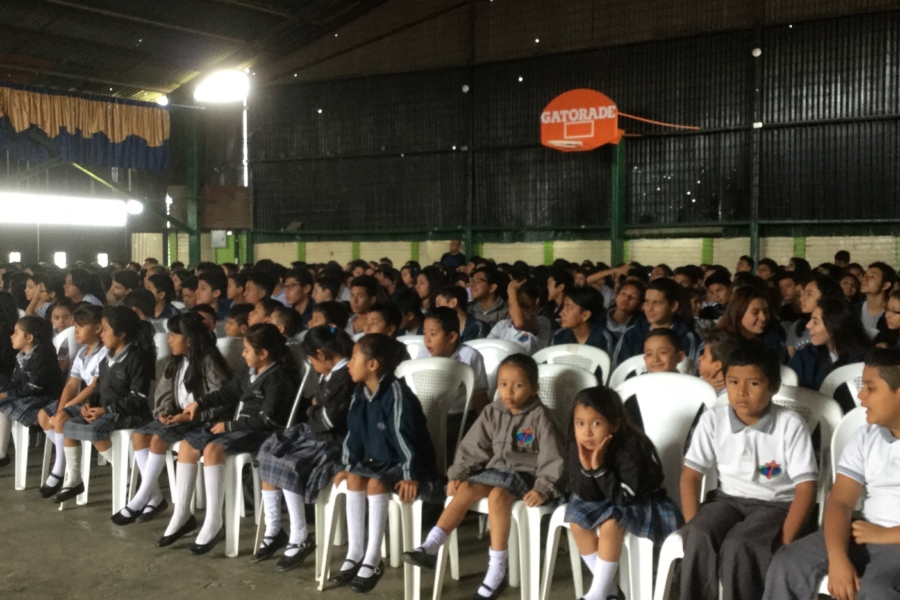
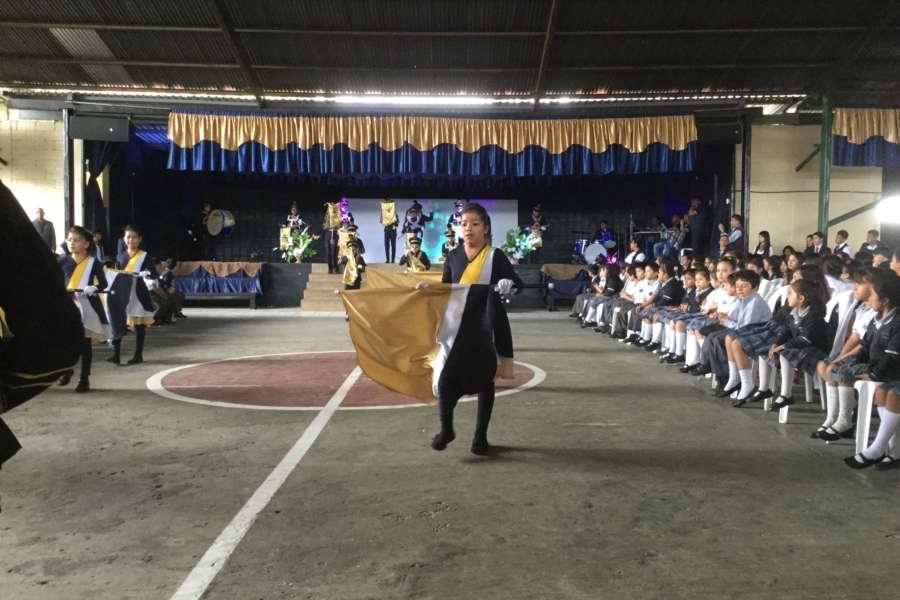
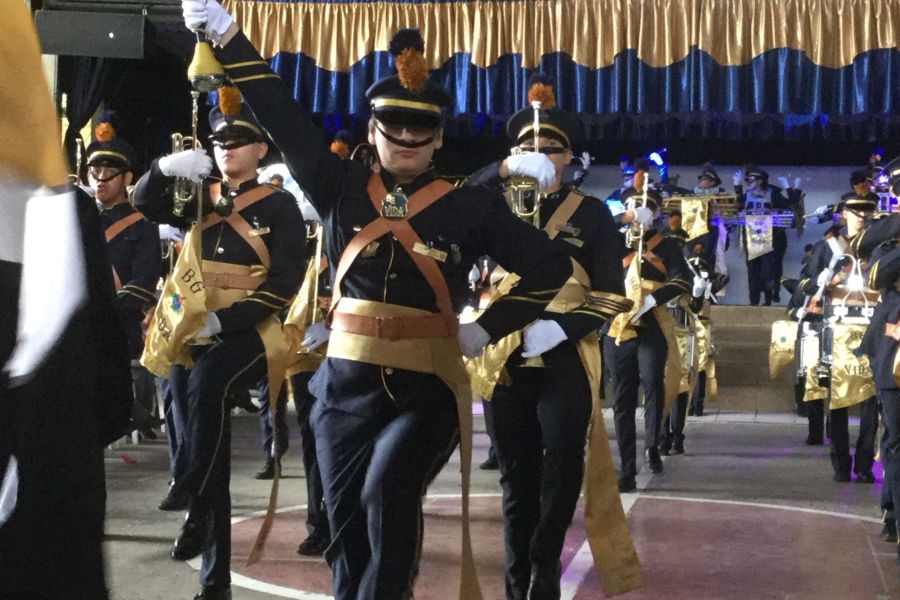
Luis finds his hope in the schools and programs he visits, where volunteers and donations from global organizations like Children Incorporated have, over the years, transformed the lives of hundreds of children. One school in particular, Juan Apostol School in Guatemala City, brings hope, strength, and inspiration to children in a very specific way. Though its students come from the heart of the Guatemala City slums, they make up one of the country’s best and brightest school bands.
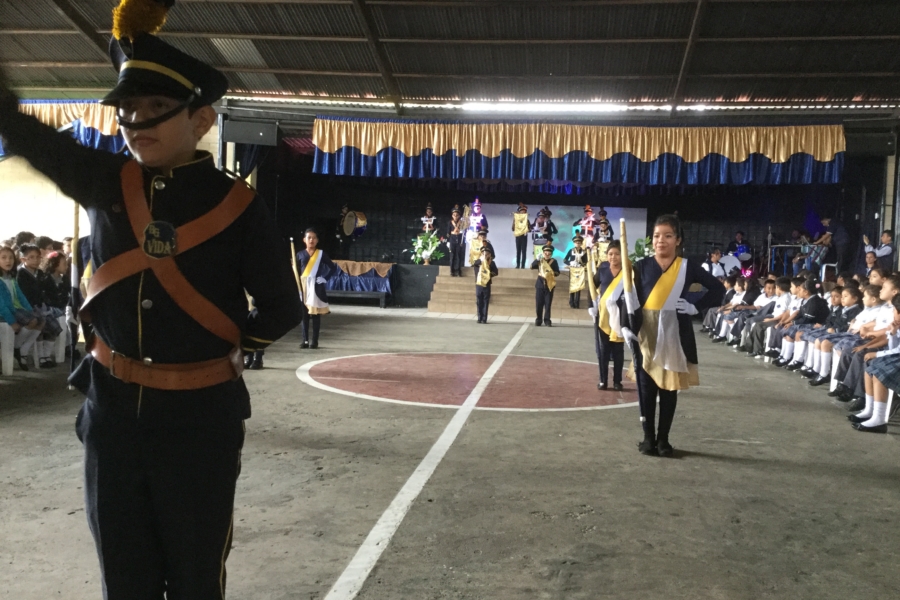
Our Volunteer Coordinator, Tita, had to convince Luis that supporting the band was in line with Children Incorporated’s mission. As she spoke, it became clearer to him that the band was a unique academic motivator for Juan Apostol’s children. To participate in the band, you have to be an A student. And this isn’t some side project — the 85-student band and its two smaller bands of 45 and 30 are the school’s pride and joy. It’s by design — the coordinators understood that the band had to be something truly special to get these kids’ attention.
One school in particular, Juan Apostol School in Guatemala City, brings hope, strength, and inspiration to children in a very specific way.
Not only do the band members learn creative expression through music, but they also learn how to function as part of a very close-knit team, both musically and practically. The students and their parents have to raise funds for every trumpet, every drum, and every trip they take. The result is a group of families that are truly invested. “Every student wants to be in the band,” says Luis. “It’s just incredible.”
“They’re taught responsibility, coordination, administration, and they have to be good academically,” he continues. “So I thought we needed to support that.”
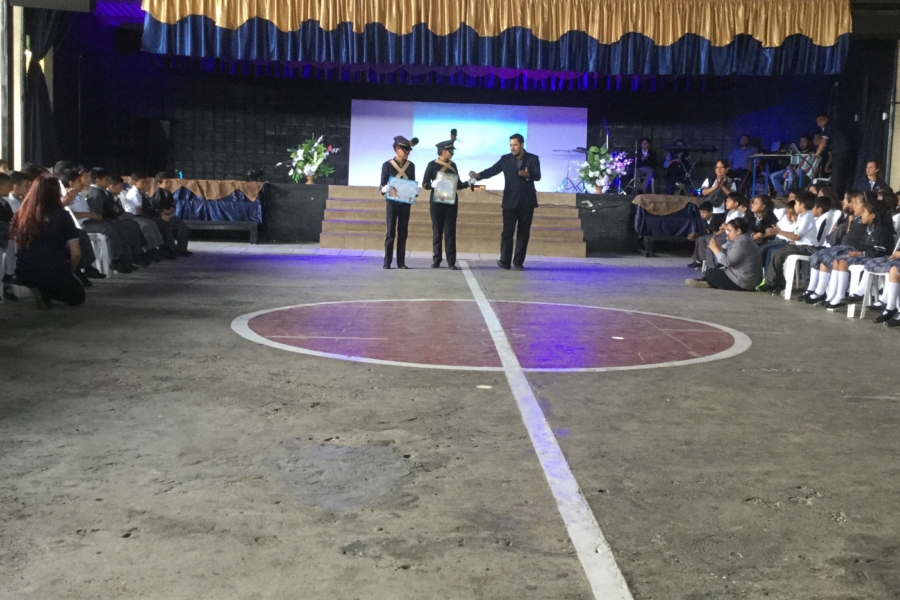
This year, Children Incorporated delivered enough brand-new instruments to replace a large percentage of Juan Apostol’s. Luis was able to attend a student performance as they blew their new trumpets and beat their new drums. He remembers feeling the children’s excitement as it grew and grew. “This is not a school that has a lot of money, and seeing those 85 kids playing felt like 20,000, all so proud of what they’re doing and showing that.”
Hands-on training now for a better tomorrow
Along with helping with the school’s band, which travels all over the region, Children Incorporated assisted in implementing a skills training program at Juan Apostol. Participating children train for more than a year in computers, graphic design, or even cosmetology, and when they’re finished, they receive a certificate from the government. So not only are Juan Apostol graduates earning a step up because of academic training, but they’re also going out into the world with skills they can use to do meaningful work. The program’s effectiveness has grown with its popularity, and now almost every child gets to participate.
It’s innovative programs like these that help children distance themselves from the challenges they face at home. Guatemalan children are often pressured into the drug trade or have to find legitimate work to help their families. Making sure that both students and parents understand the value of learning the skills taught in band or the skills training program, and keeping the process engaging for all shows these children, and their families, a glimpse of a better life.
***
HOW DO I SPONSOR A CHILD IN GUATEMALA?
You can sponsor a child in Guatemala in one of three ways – call our office and speak with one of our sponsorship specialists at 1-800-538-5381, email us at sponsorship@children-inc.org, or go online to our donation portal, create an account, and search for a child in Guatemala that is available for sponsorship.
Most parents are familiar with the ubiquitous school-supply shopping list: two boxes of crayons, nine jumbo pink erasers, 47 glue sticks, one box of tissues, three boxes of markers.
But when your children run out of pencils halfway through the year, you just buy more. When the backpack inevitably falls apart by January, you buy a new one.
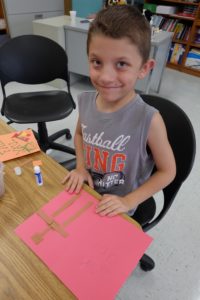
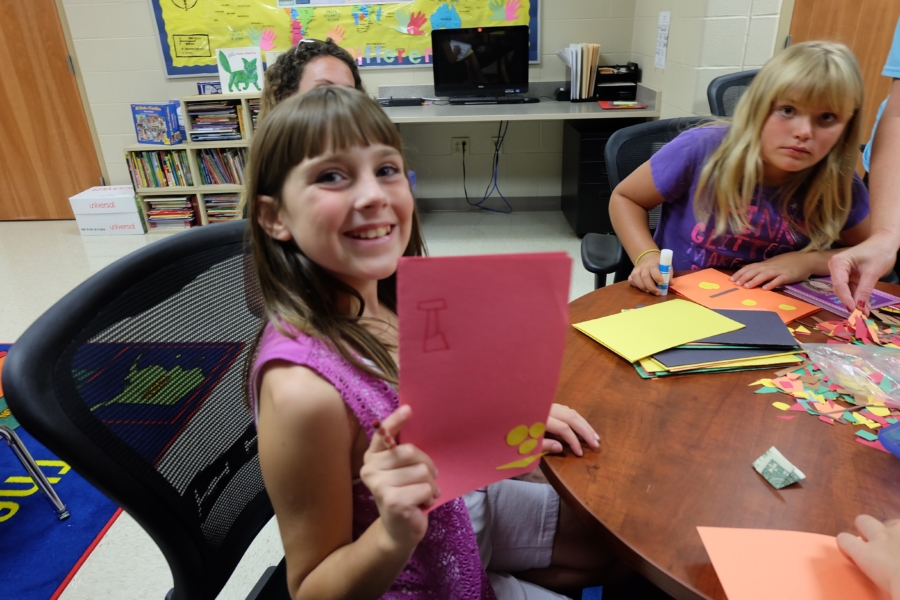
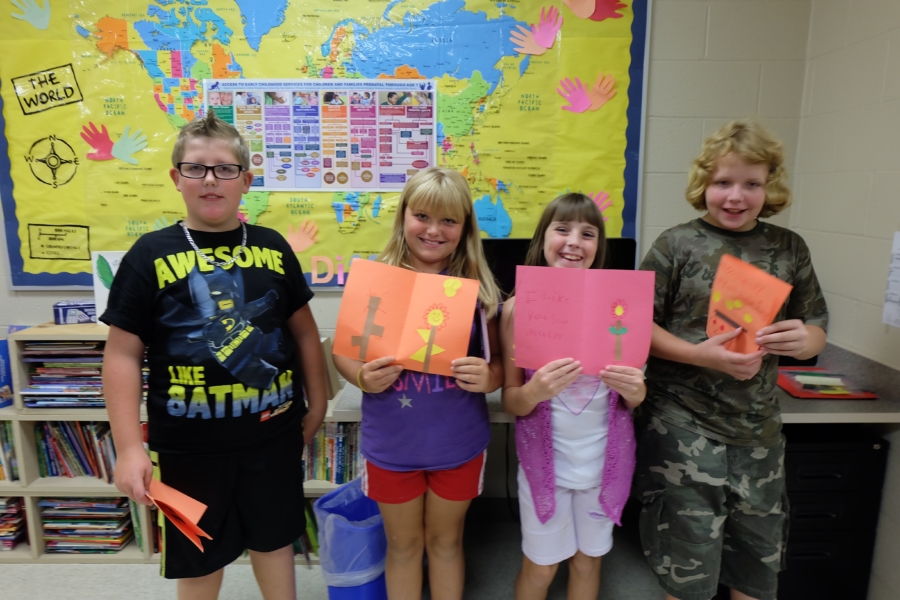
One of our sponsored children creates a thank-you card for his sponsor.
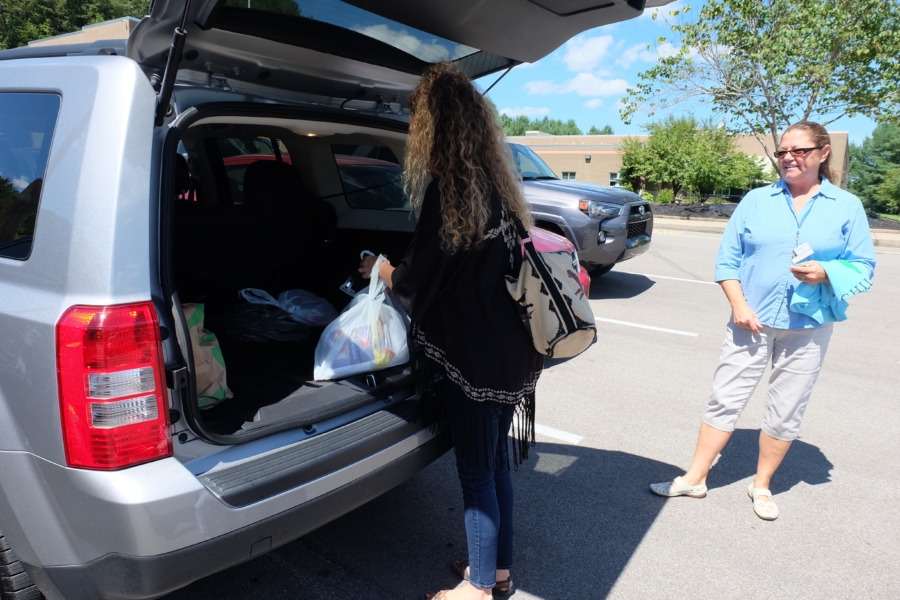
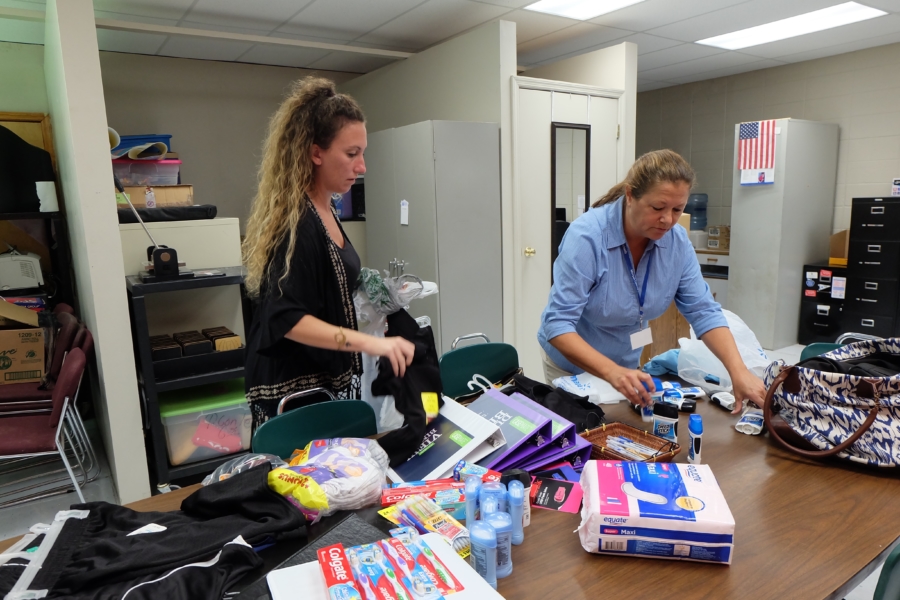
In Eastern Kentucky, few have that luxury. As we hand out school supplies for Children Incorporated’s back-to-school program, we’re faced with a distressing reality — these are the only school supplies most of these children will get this year.
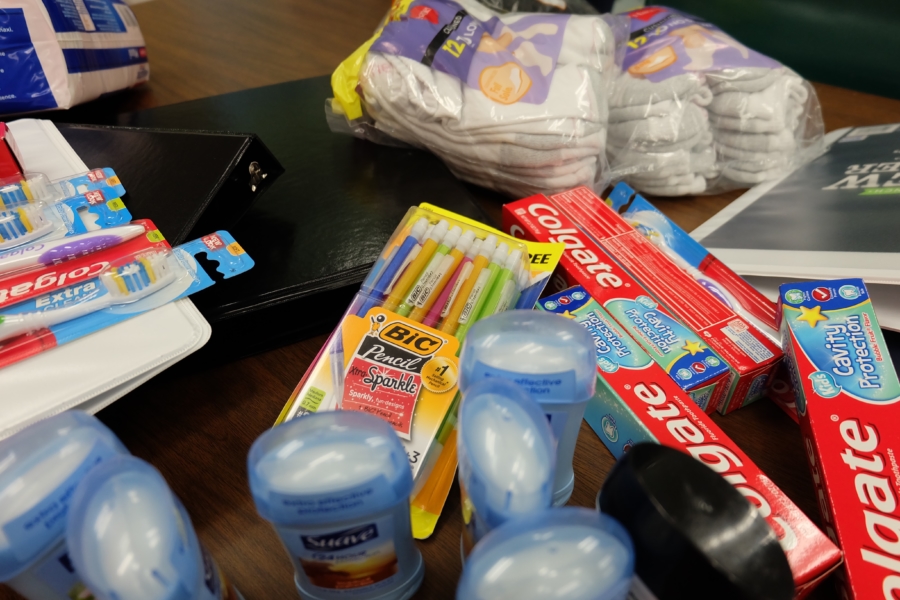
If the backpack breaks, there won’t be another one. If they outgrow the shoes, they’ll wear too-tight shoes until (hopefully) they get another pair next September. If they run out of tampons, deodorant, toothpaste.
All of those hygiene items are necessary too for middle-schoolers and teenagers. For the youngest school children, it’s pants, leggings, and underwear for when they come to school lacking those items or in need of new ones.
Hand-me-downs
The extra clothes aren’t always new, of course. Almost nothing here is new except for what comes from Children Incorporated. School resource coordinators and guidance counselors collect hand-me-downs from the community — but in most of the schools here, Children Incorporated is the only major benefactor.
Over the last 15 years, we’ve put between $125,000 and $150,000 into each school in Kentucky that we affiliate with, and tough reality is that it’s never enough. For every child we give a bag of brand new school supplies, there’s another in the same classroom who gets nothing.
Back-to-school season is somewhat like Christmas here. It’s the time of year when donors shower kids with new shoes, clothes, notebooks, backpacks, pens, pencils, and markers. But for children not enrolled in our program, there won’t be much left and the school resource coordinators will be scrounging in their supply closets for a hand-me-down pair of shoes to trade for the too-small ones they’re wearing.
Middle school is the age when they start to realize the truth about why they don’t get new clothes or school supplies when other kids do.
The luckiest children have ongoing sponsors who keep them supplied. James, a fifth-grader at one of our affiliate schools, gets clothes, school supplies and stuffed animals from his sponsor, Vicki. He told us that Vicki sends him letters asking for what he wants and then sends him gifts. He’s a happy kid who wants to be a farmer and who loves his animals — especially his pig, which he mimics for us.
Fortunately, James and the other sponsored children have received funds from Children Incorporated through the years, and they need it badly. Of the 350 or so children enrolled here now, many more would qualify to receive help from Children Incorporated.
Bad times at home
One of the kids who is getting help is Brian, who lives with his five siblings. His stepfather is in jail and his mother is in rehab, so their grandmother takes care of them. Brian knows where his parents are but doesn’t seem to get yet that the reason he’s in worn-out clothes and never has quite enough to eat is because his parents didn’t come through for him.
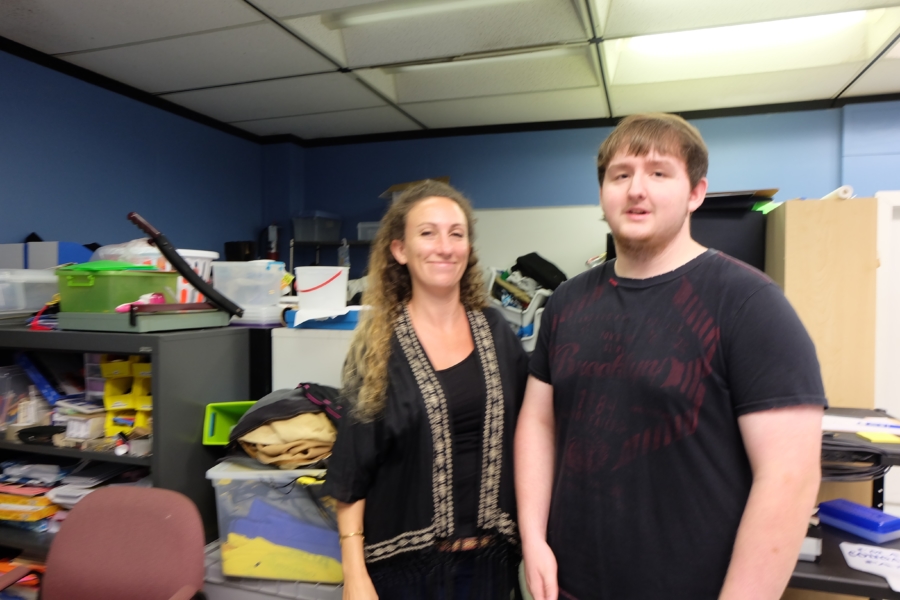
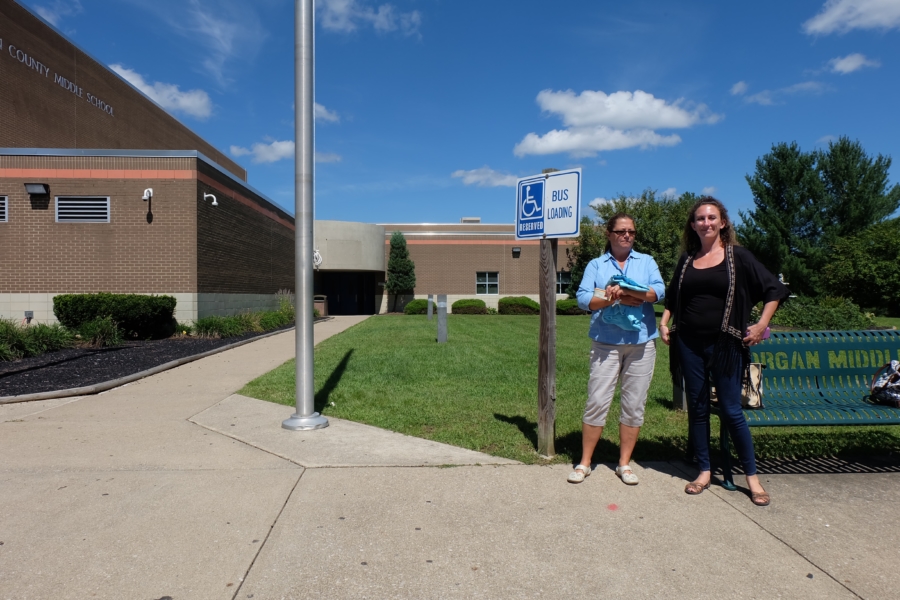
Over at Morgan County Middle School, resource coordinator Donna told us that the elementary children generally don’t understand that yet.
“Middle school is the age when they start to realize the truth about why they don’t get new clothes or school supplies when other kids do — because the reality is their family doesn’t have the money, maybe because their mom and dad bought alcohol or something else,” she said.
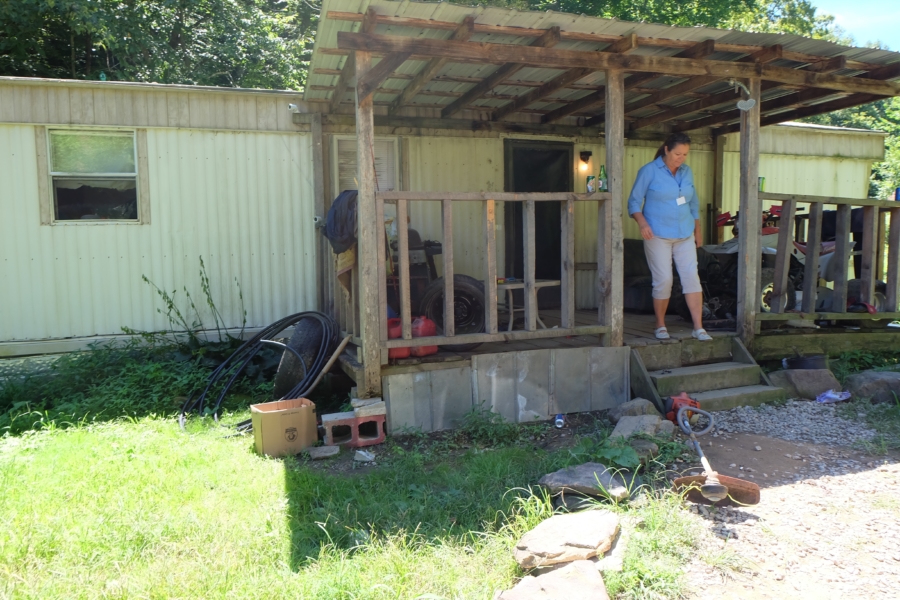
Two of the kids that Donna helps are Billy and Dennis. The two boys had been living in a small trailer with six adults, but then their parents divorced, and their father was killed in a car crash. Now, they live in a trailer with their mom. The family is living on food stamps, which keeps them fed but doesn’t cover the bills or clothes, hygiene items or school supplies.
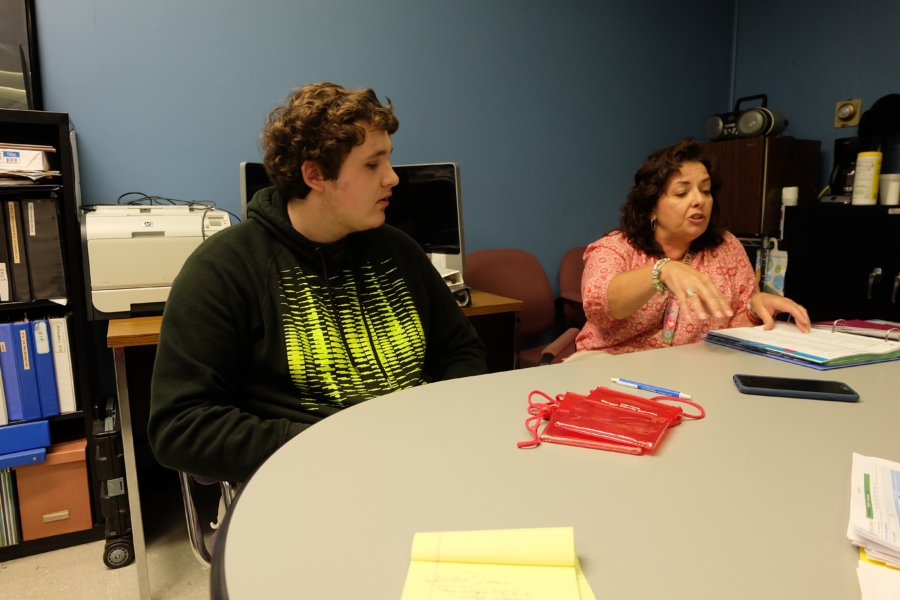
What they and most of these kids need, Donna said, isn’t just physical help but emotional support. They need to be told that they’re doing well and trying hard and that they can succeed — it’s not something they often hear at home.
For many of these kids, school is the safest place to be and the place where they are ensured a full meal and attentive adults who are devoted to their wellbeing.
“I am always ready for school to start back after the summer because I worry about these children when they are not in school,” Donna said. “A lot of them don’t have a safe place to be.”
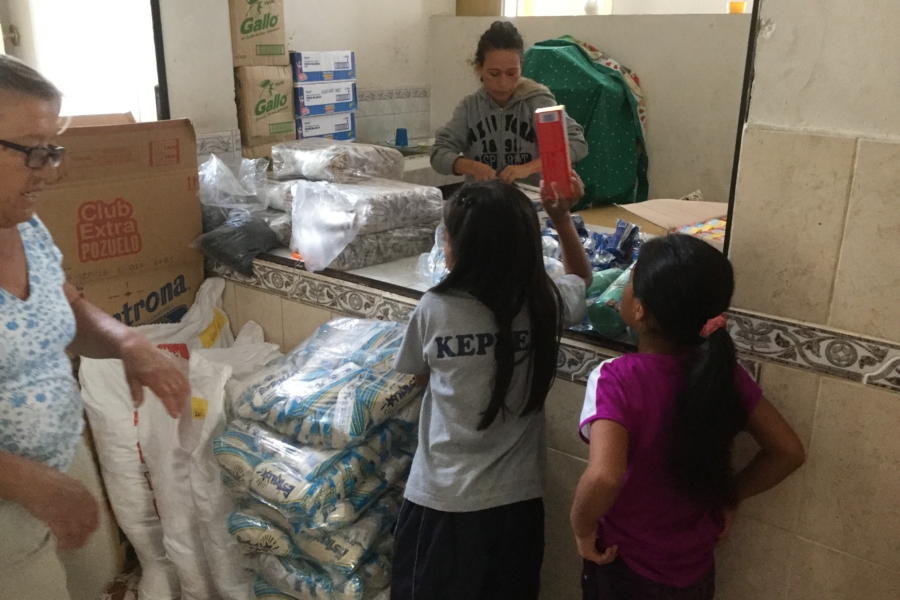
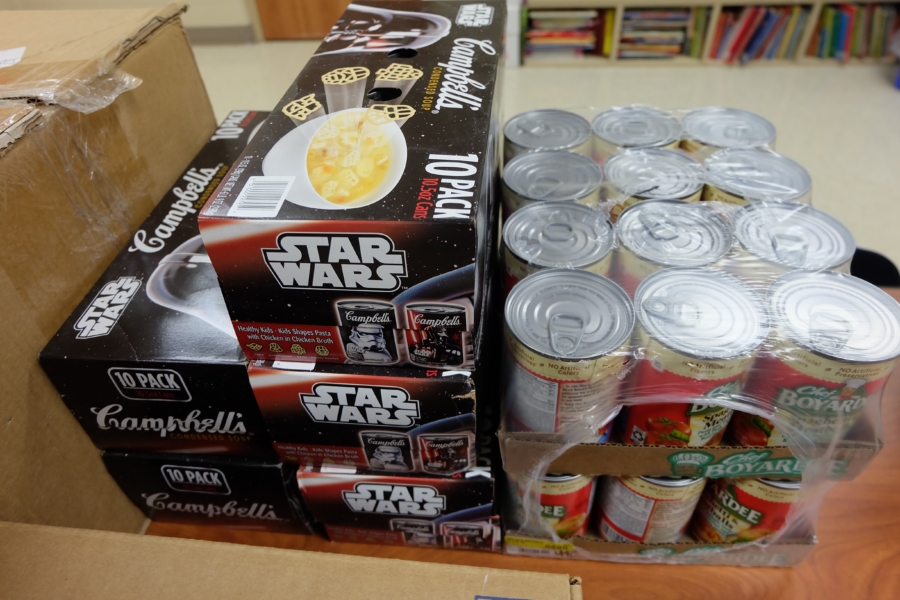
For the holidays and weekends, Children Incorporated students get food packs to take home with them — cans of SpaghettiOs, chicken noodle soup and other easy-to-make foods to ensure they’re getting fed something.
A BRIGHTER FUTURE
And yet even here, there is a way out.
At Morgan County High School, as many as 70 percent of the 600 students may go on to some type of higher education.
“I am always ready for school to start back after the summer because I worry about these children when they are not in school,” Donna said. “A lot of them don’t have a safe place to be.”
Caroline is one of them. A junior at Morgan County High, she’s already getting nursing certifications and is planning to finish her nursing education at Pikesville University after she graduates. Caroline’s coordinator said her home situation is bad but that Caroline’s determination and the Children Incorporated clothes and supplies she’s been receiving over the years have enabled her to always look good and walk with confidence.
Another one is Barrett, who’s had the same Children Incorporated sponsor since he was in kindergarten. He’s a senior now, and he’s hoping to go to college to study computers or engineering and to one day move to Lexington and buy a house and a truck. It could very well happen — his older sister is already in college at nearby Morehead State.
He’ll finish school in June and be off to college, leaving a spot open for another Children Incorporated child. For every child we send off successfully, there’s another one waiting for help.
***
HOW DO I SPONSOR A CHILD IN KENTUCKY?
You can sponsor a child in Kentucky in one of two ways – call our office and speak with one of our sponsorship specialists at 1-800-538-5381, email us at sponsorship@children-inc.org.
The average American doesn’t have to think much about how he will provide an education to his children. Our public school system provides many of our children with an education courtesy of tax dollars, and we’ve grown to take it for granted. In Kenya, however, school is a privilege, not a right. If you can pay to send your children to school, they go. If not, then they’re almost certainly looking at a bleak future of poverty.
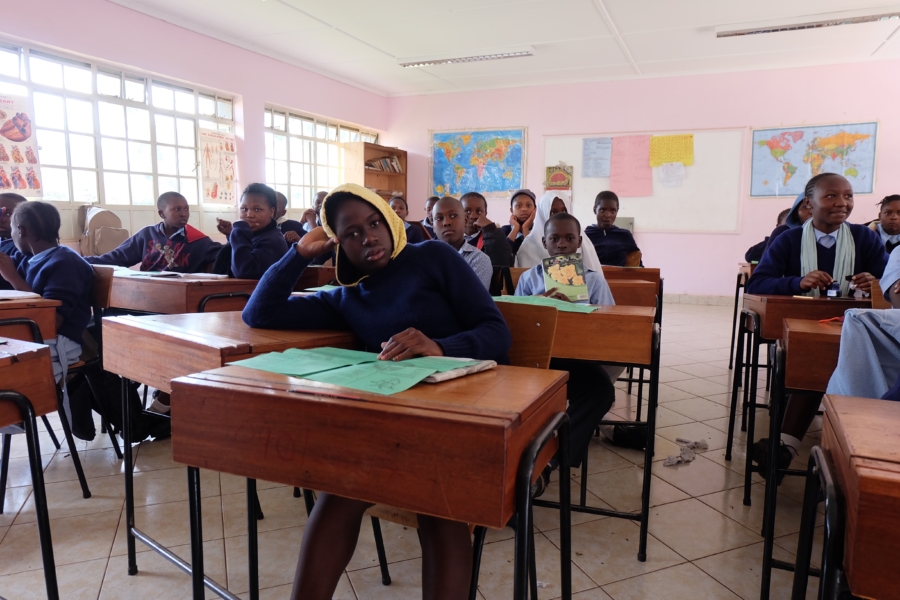
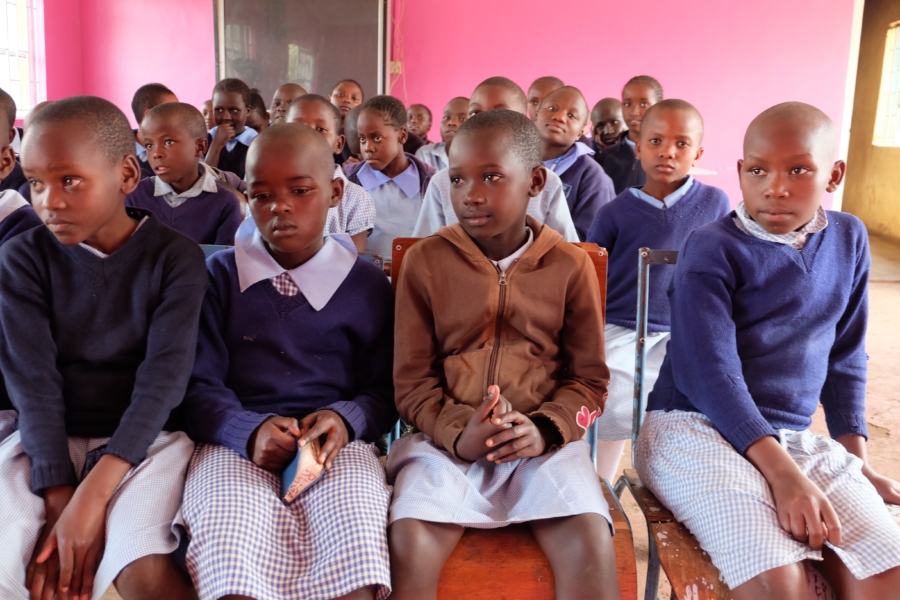
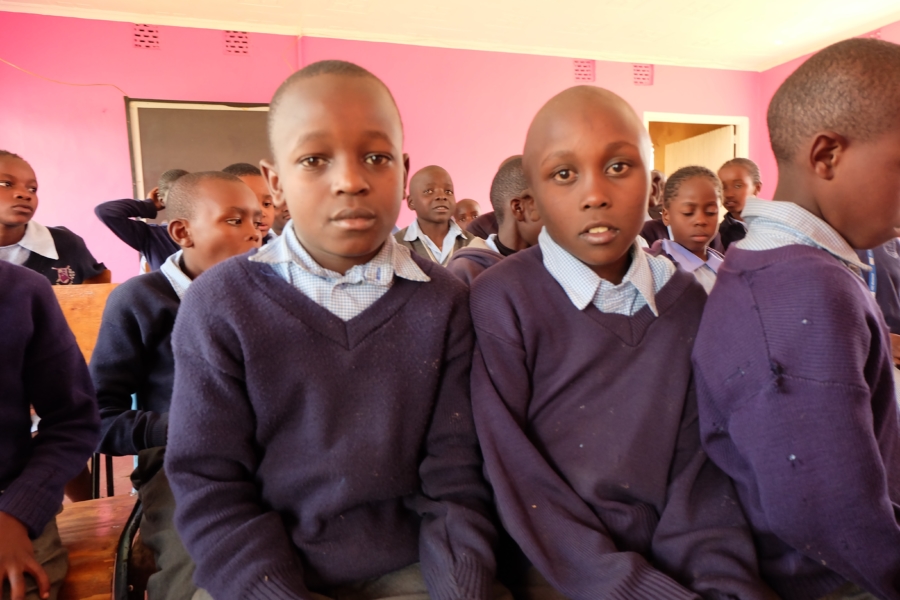
Msamaria is a community center for street children in the Karen and Kibera area of Nairobi, Kenya. Its primary school, St. Nicholas School, educates both boarding and day students, and Children Incorporated supports 21 of those students.
Msamaria is a community center for street children in the Karen and Kibera area of Nairobi, Kenya. Its primary school, St. Nicholas School, educates both boarding and day students, and Children Incorporated supports 21 of those students.
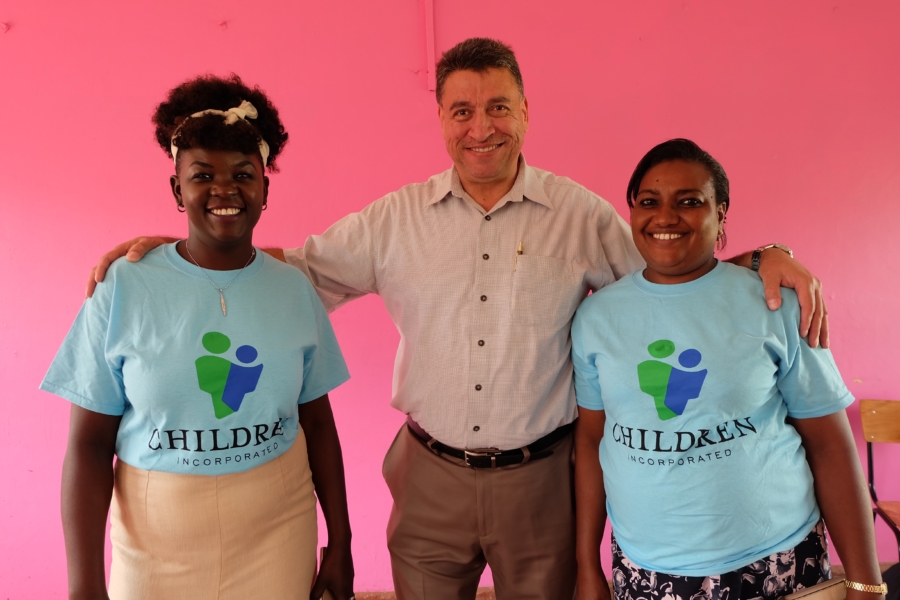
On our first day in Nairobi, we plan to visit Msamaria, and St. Nicholas’s director, Naomi, picks us up at our hotel. Msamaria is only about five kilometers away, but the ever-present Nairobi gridlock makes it seem much farther. When we arrive, I’m immediately struck by how beautiful and well-kept the property is. I learn that it was bought by the Anglican church in 1986 from an American who had built her home on the grounds— a home that’s still used for board meetings and other events. Each building on the compound is graceful, with nice tile floors and surrounded by lush greenery. It’s very clear from the first that Naomi and her staff make every possible effort to keep their program running smoothly. Considering the slums that we’ve already toured, this is a 180-degree turn for Nairobi street kids.
We meet our social worker, Caroline, who works closely with sponsored children, along with the headteacher, Phantes. They talk to us about St. Nicholas’s formal education (kindergarten through eighth grade) — admission is application-based, giving concerned community members an opportunity to recommend children from the Kibera slum. Caroline reviews the applications and makes home visits to get to know the children better. Some are orphaned, some are abandoned and all are struggling to survive. These are absolutely the most desperate children I’ve encountered on our trip.
For that reason, St. Nicholas School has found a way to eliminate fees and break down barriers for Nairobi’s poorest and loneliest children.
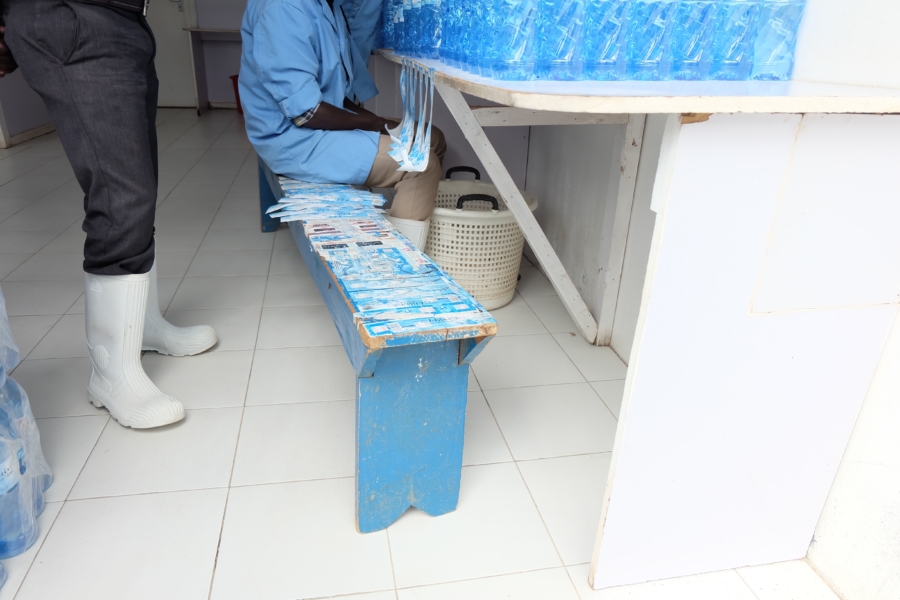
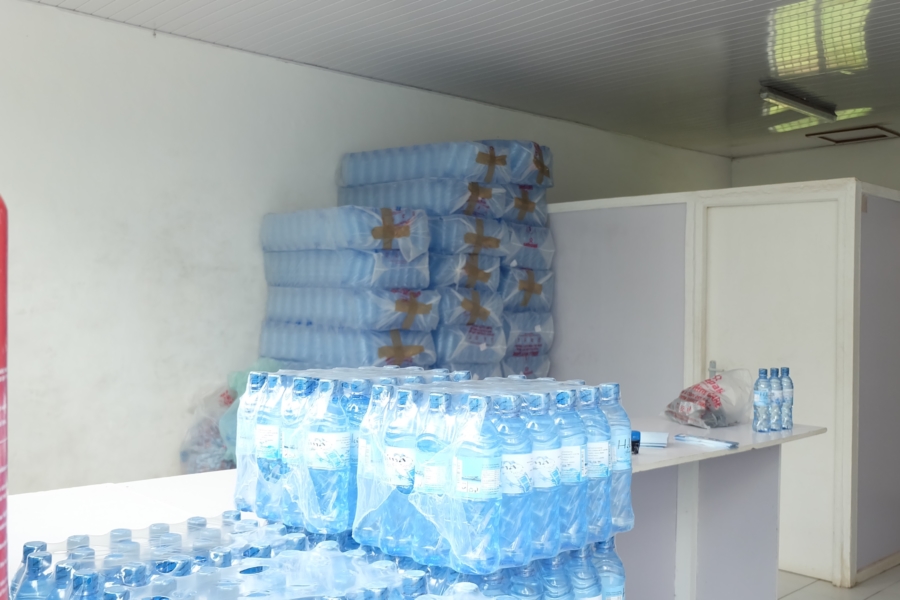
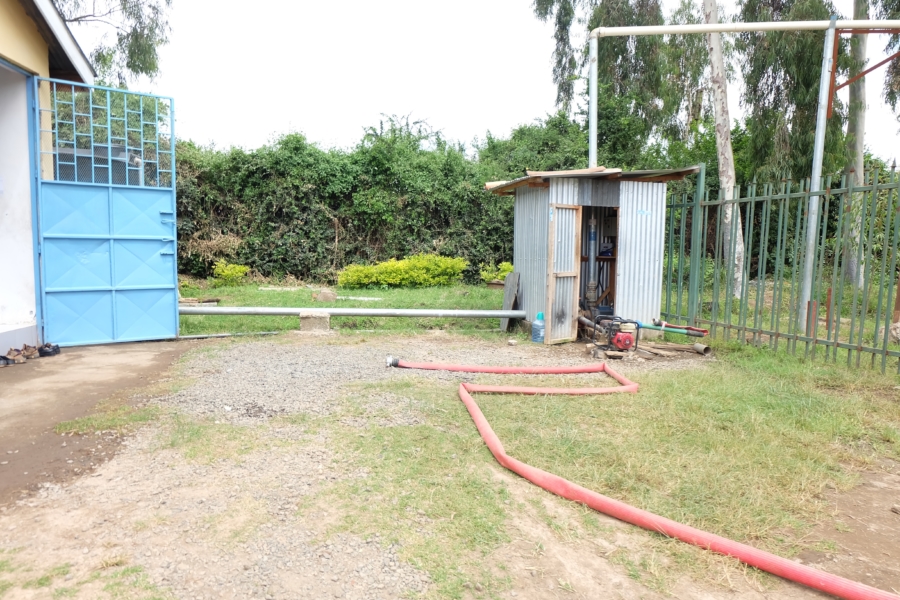
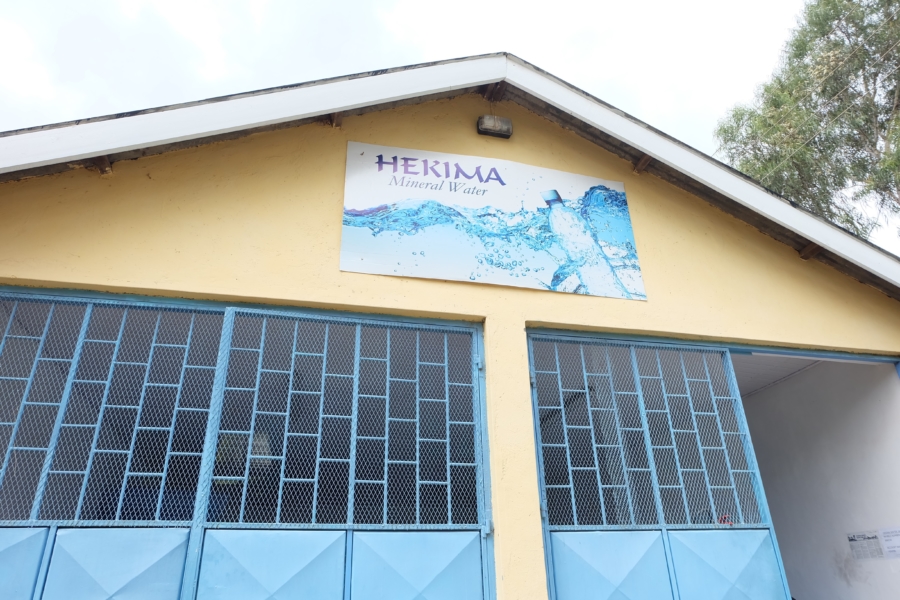
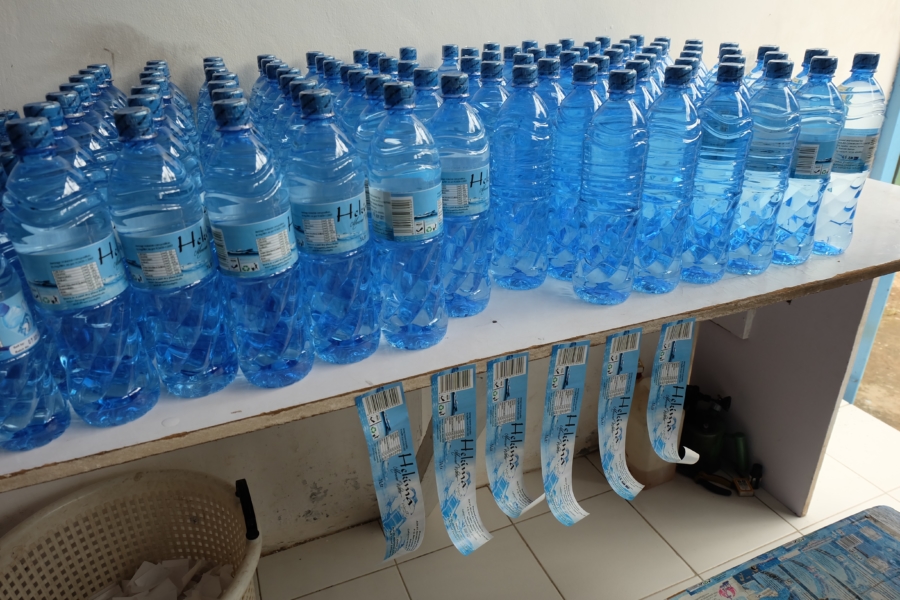
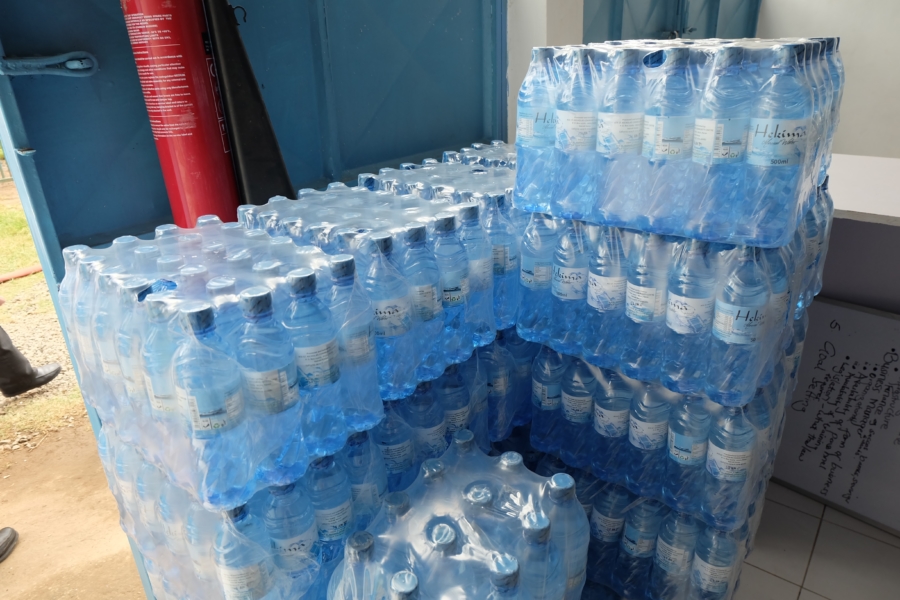
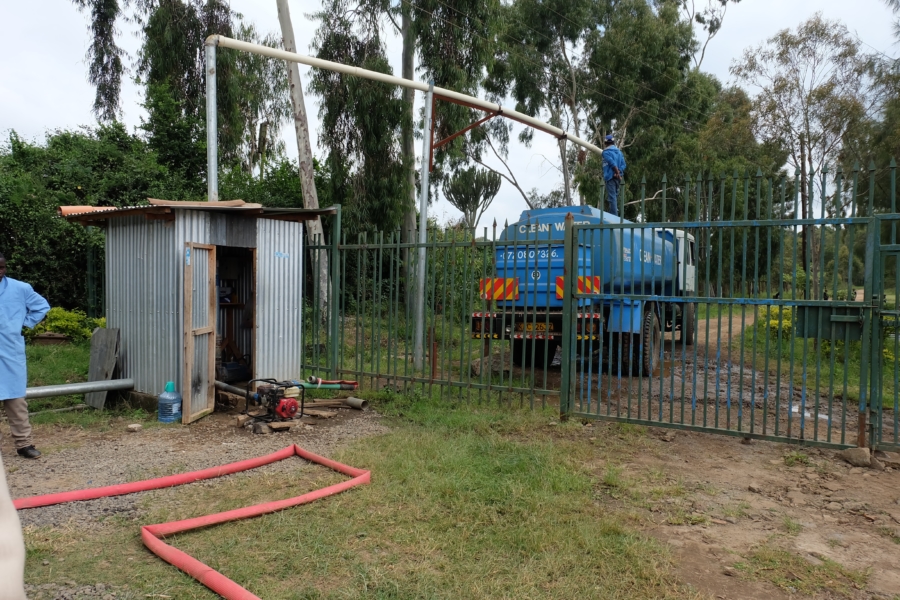
With a self-sustainability program unlike any I’ve seen in Kenya thus far, St. Nicholas supports its students by selling bottled water. Naomi, who is one of the sweetest, toughest, and most hard-working people I’ve ever met in my life, took out a loan to start a bottled water factory. They pump water directly from the property, using a borehole and a motorized water pump, and the $2,000 they make per month goes towards paying the staff, supporting the programs, and feeding the children.
If that weren’t impressive enough, Naomi tells us about the school’s agricultural program, which grows maize, carrots, and tomatoes. Selling some of those vegetables along with milk from cows on the property (and consuming the rest), the school is able to supplement its income and stay the course on its commitment to a no-fee structure.
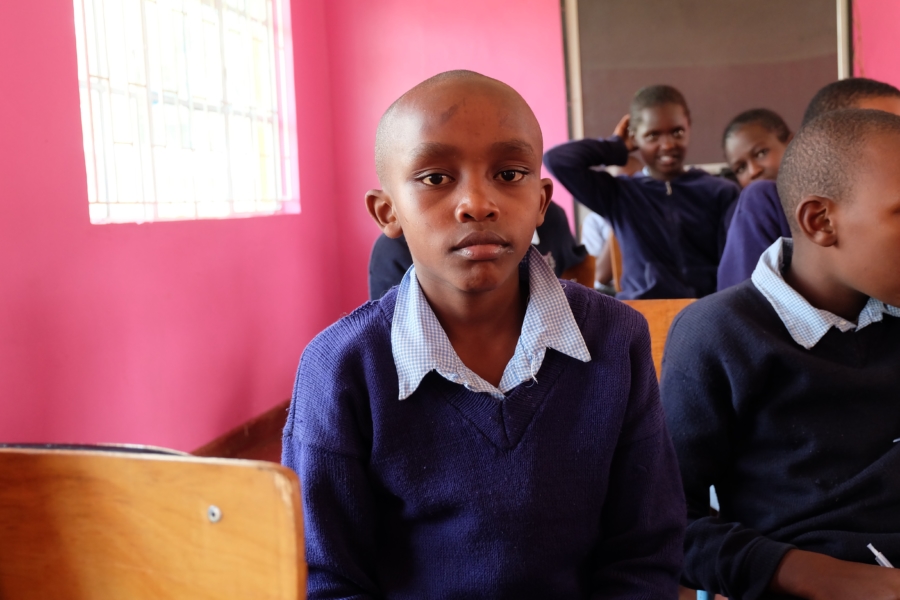
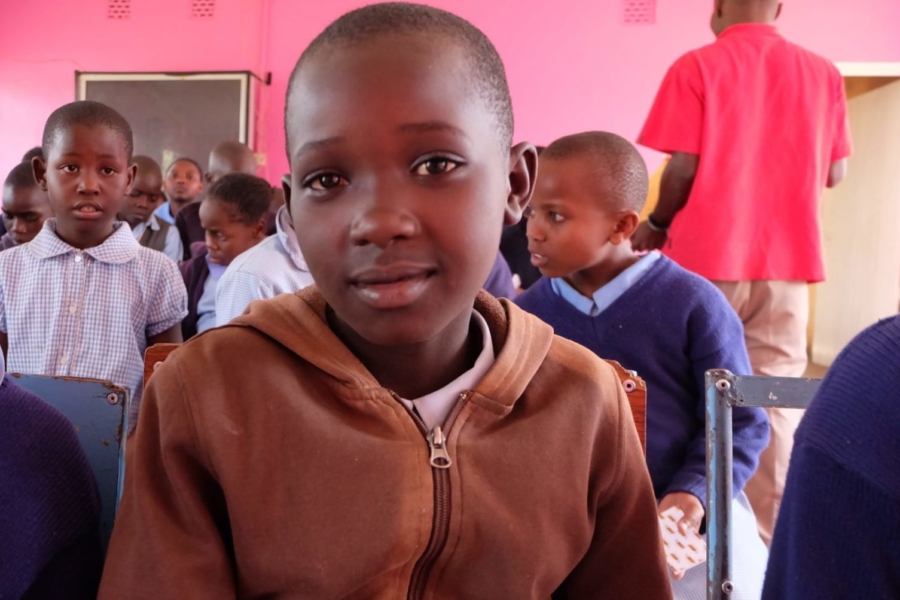
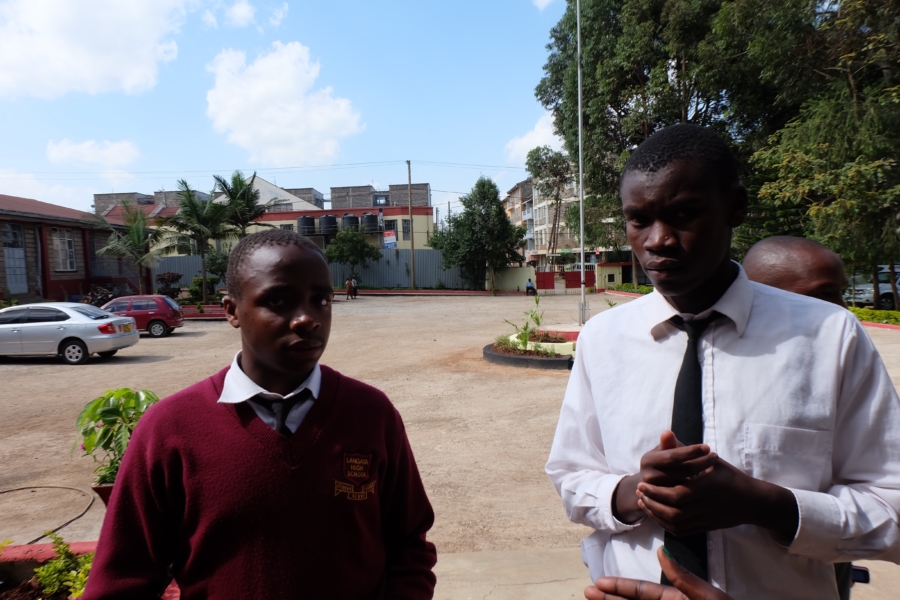
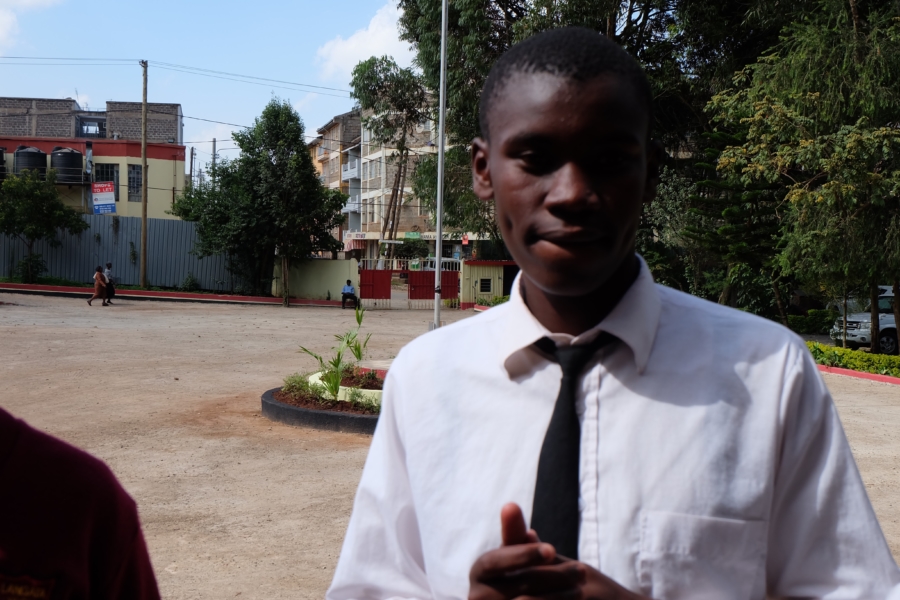
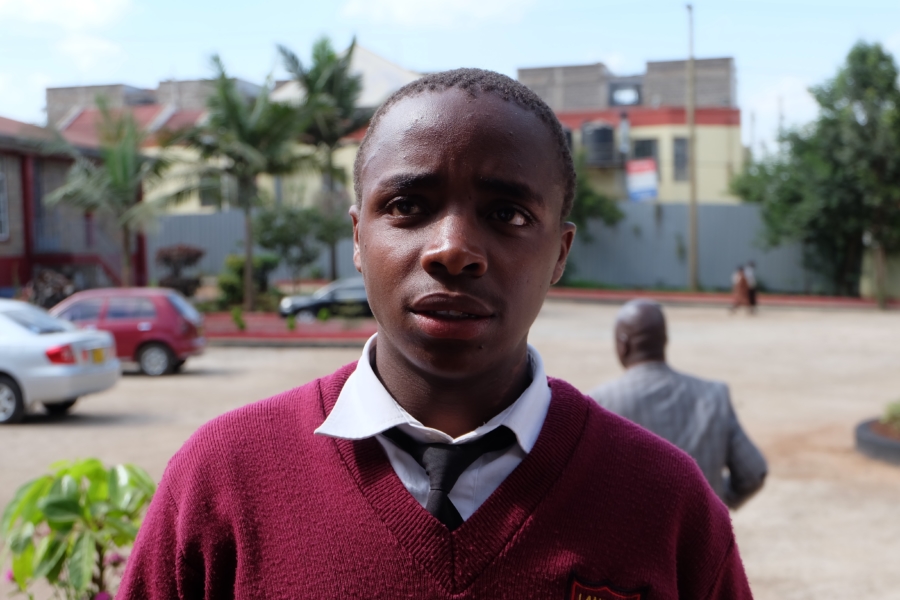
Our favorite part of each visit is, of course, getting to meet the children themselves. Two Children Incorporated sponsored children speak to us excitedly about soccer and school. Both are orphans, both have grown up at Msamaria, and both were very interested in sending greetings and thanks to their sponsors.
It feels good to see sponsor support at work here at Msamaria. We’ve provided mosquito nets, items for personal hygiene, school supplies, and food. When students age out of St. Nicholas and begin attending a local high school, they will need funding to continue their studies. The more children we are able to get into schools like St. Nicholas, the more opportunity they have for an education and a chance at rising above poverty.
***
HOW DO I SPONSOR A CHILD IN KENYA?
You can sponsor a child in Kenya in one of three ways – call our office and speak with one of our sponsorship specialists at 1-800-538-5381, email us at sponsorship@children-inc.org, or go online to our donation portal, create an account, and search for a child in Kenya that is available for sponsorship.
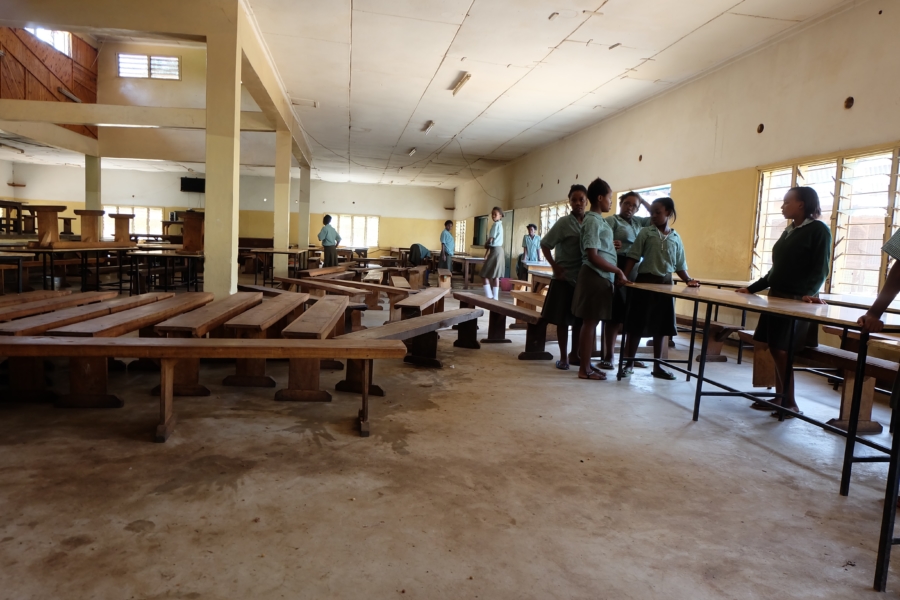
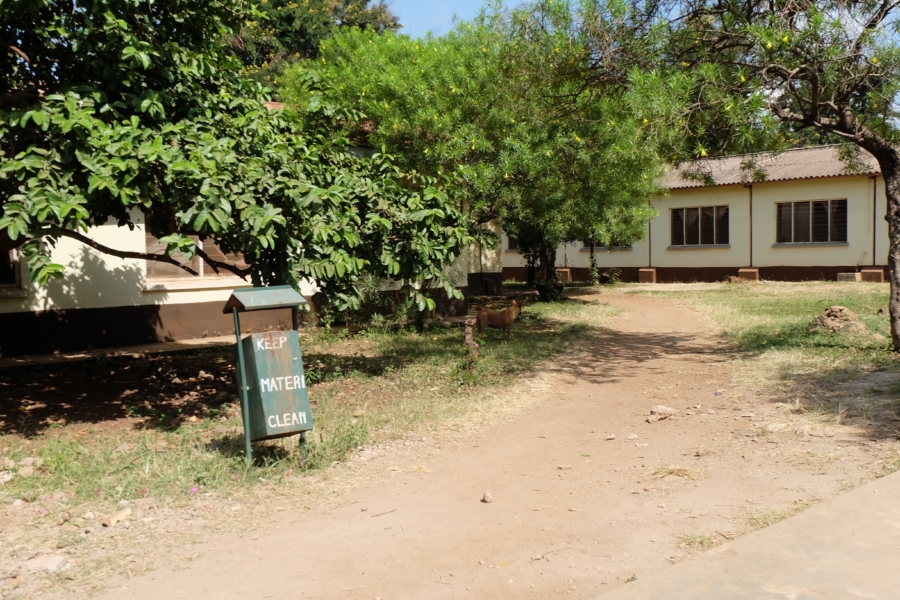
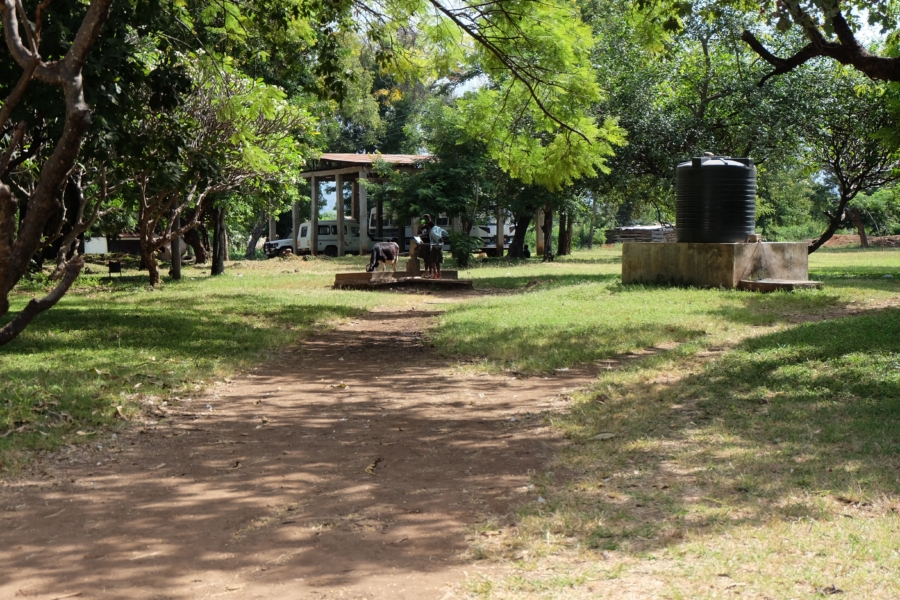
It’s Sunday, and the students of the Materi School for Girls are still in uniform, singing songs in the shade or studying in the grass. Everyone seems to be resting, even the cows and pigs that the school raises for milk and meat, and even the large soccer field nearby.
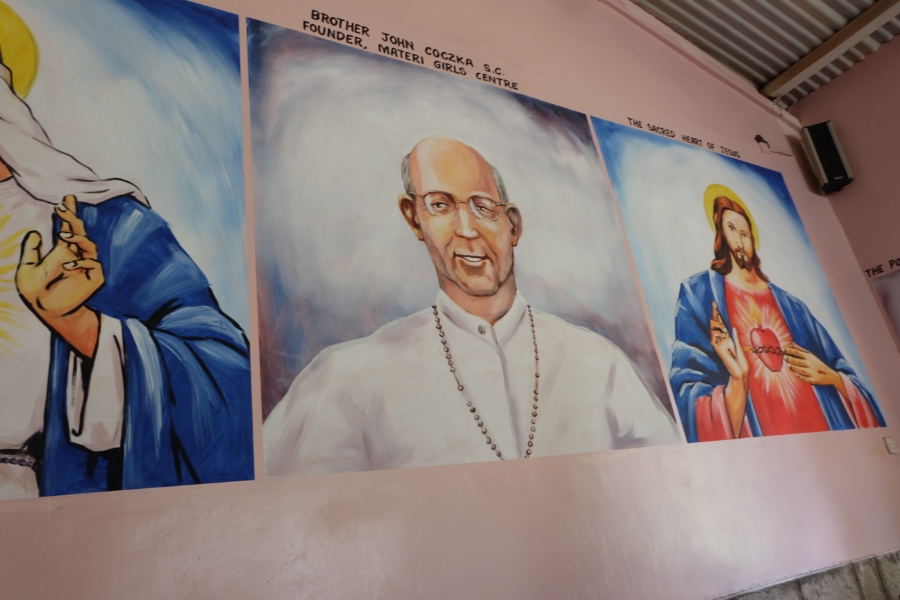
When Brother John Konzka founded the Materi School in a village called Taraka, he envisioned a place where young Kenyan girls could access the world outside their household spheres.
These young women are often far from home, only seeing their families on breaks (or, for the very lucky, on weekends). When Brother John Konzka founded the Materi School in a village called Taraka, he envisioned a place where young Kenyan girls could access the world outside their household spheres. As an American missionary and teacher in Kenya, he’d seen firsthand the leadership roles women were taking within their families and knew that with more opportunities for female education would come more opportunities for Kenyan families.
Carrying on Brother John’s Vision
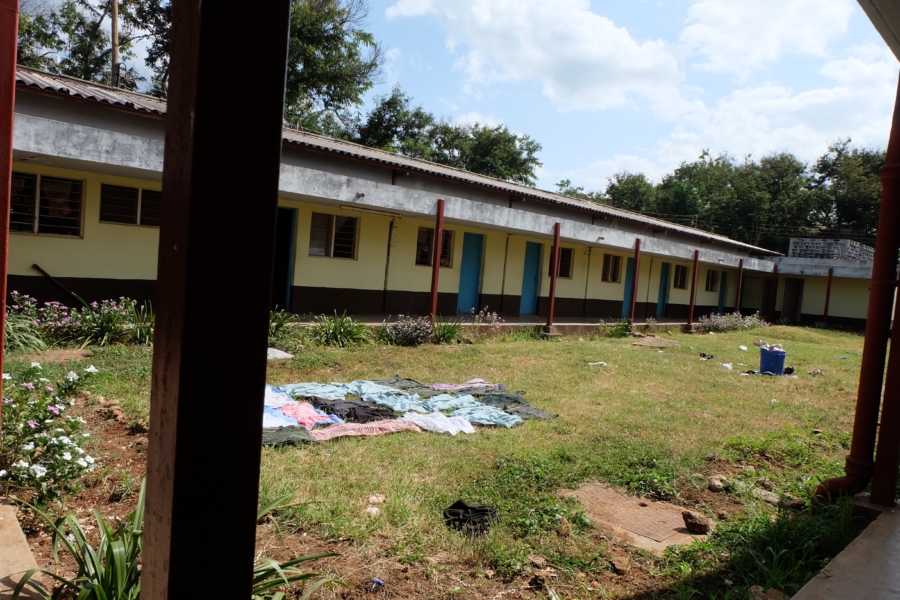
Luis worked with Brother John until the latter’s passing in 2014, but I can only rely on his legacy to get to know him. Since his death, there have been a number of changes, and this is our first visit since those changes have taken place. The Materi School has closed its middle school, since a good high school is highly valued in Kenya and can sustain itself on school fees. Brother John had been an excellent fundraiser and organizer, and due to his tireless efforts, the campus is enormous with a spacious landscape and many buildings. But now, the situation is less solid, and we’re here to see how we can help.
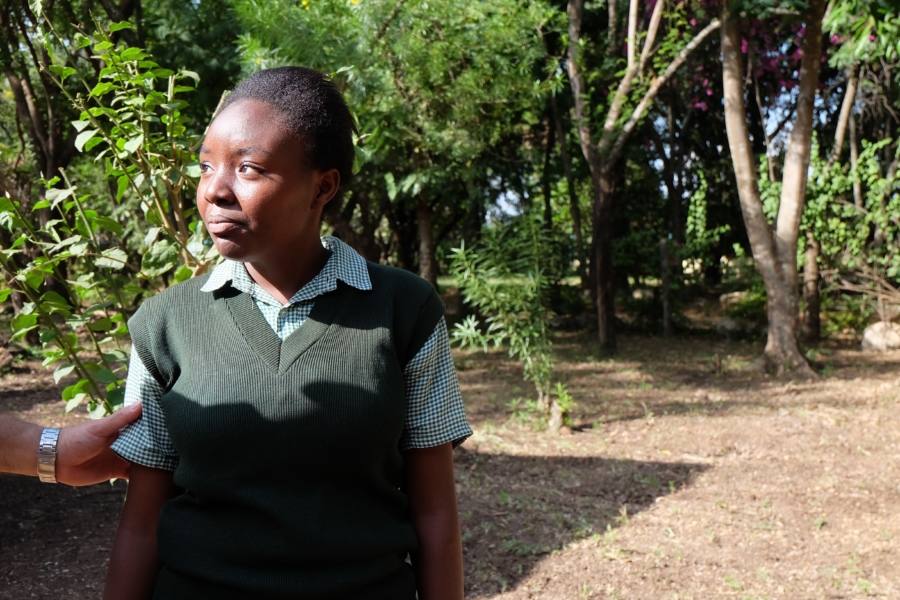
We meet Sebastian, the school’s director and principal, who fills us in. There are 1,000 young women living on the property full-time. They see their families about three times a year at the end of each term. Nursery-age girls also come to Materi, but they return to their nearby homes each day. Children Incorporated supports the smaller students, as well as students who attend the local primary schools, and we help with the fees for high school students.
Meet the Families
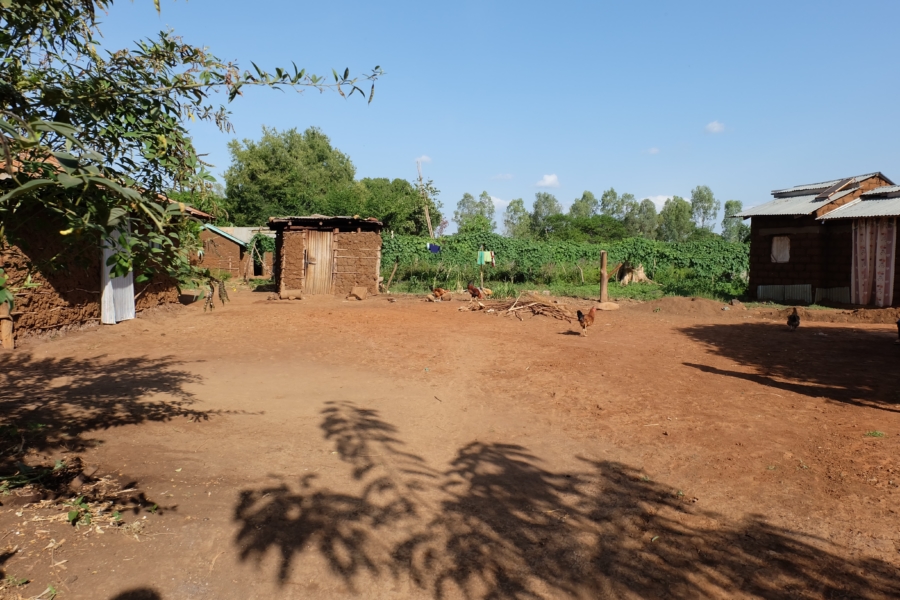
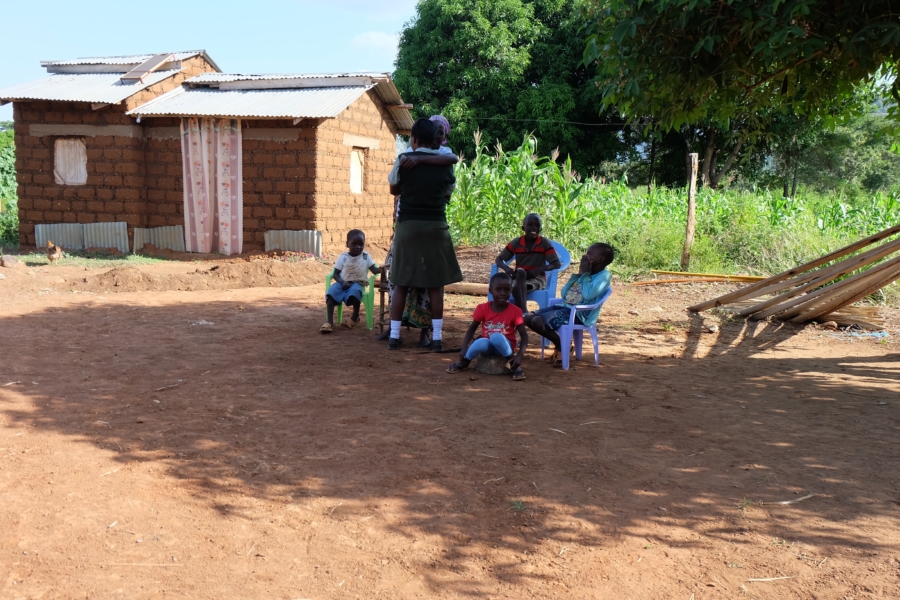
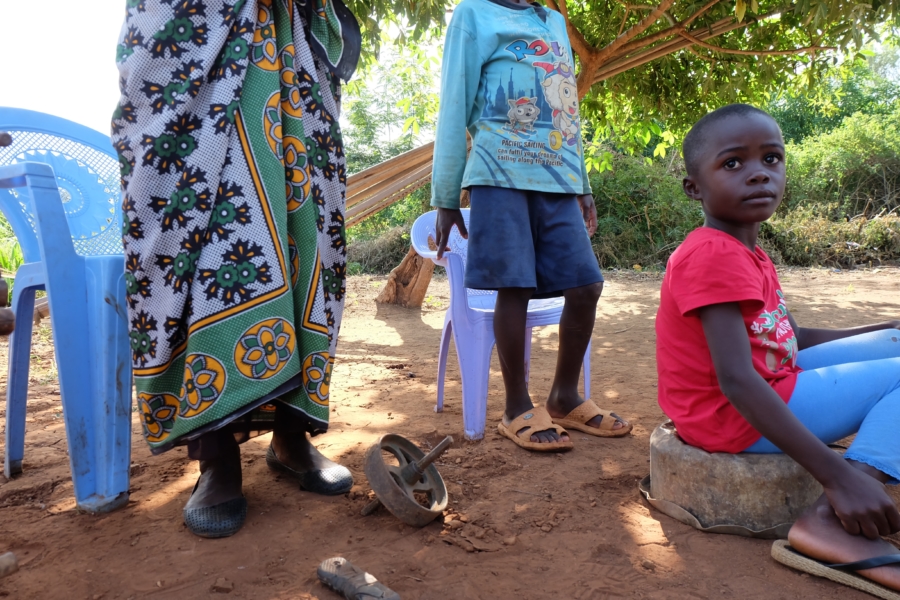
One of those students, Vero, lets us come with her on a trip to visit her mother. We pile into a truck with Vero, the driver Jambo, and Harriet and Anne, Materi employees and our tour guides for the day. It’s a bumpy ride to Vero’s house, which is only a few kilometers away. Recent flooding has caused huge ditches on either side of the road, making driving tough, and we’re relieved to arrive. Even though Vero lives much closer than many of her classmates, the conditions of the roads and the availability of transportation makes her visits home few and far between. Her mother embraces her tightly, and Luis and I are very touched.
The house has packed dirt floors, which Vero’s mother is having trouble keeping from turning into mud, which could seriously affect the house’s structure. She lives there with Vero’s sister and an aunt. There’s more family nearby, with small cousins roaming the property.
But as always, I’m struck by the kindness and hospitality of everyone we meet.
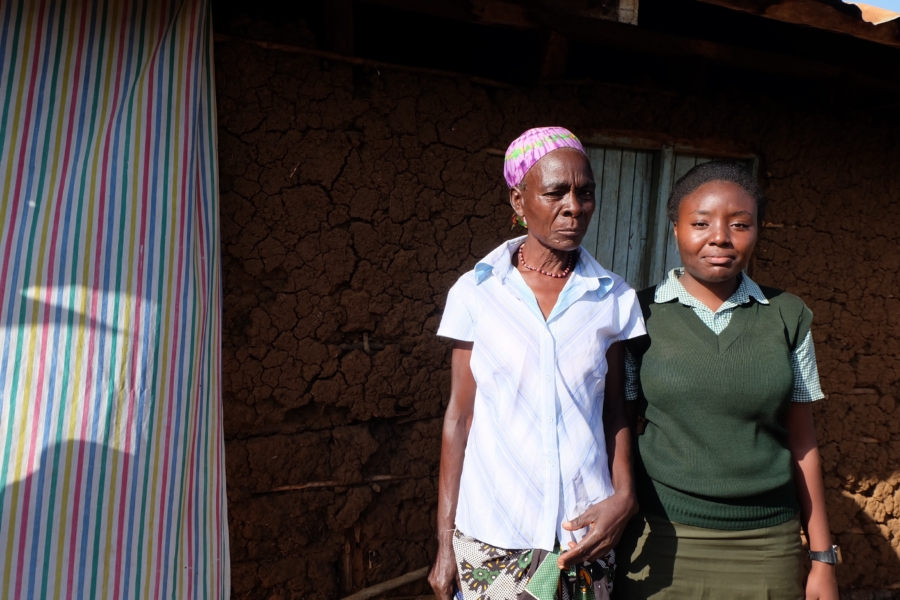
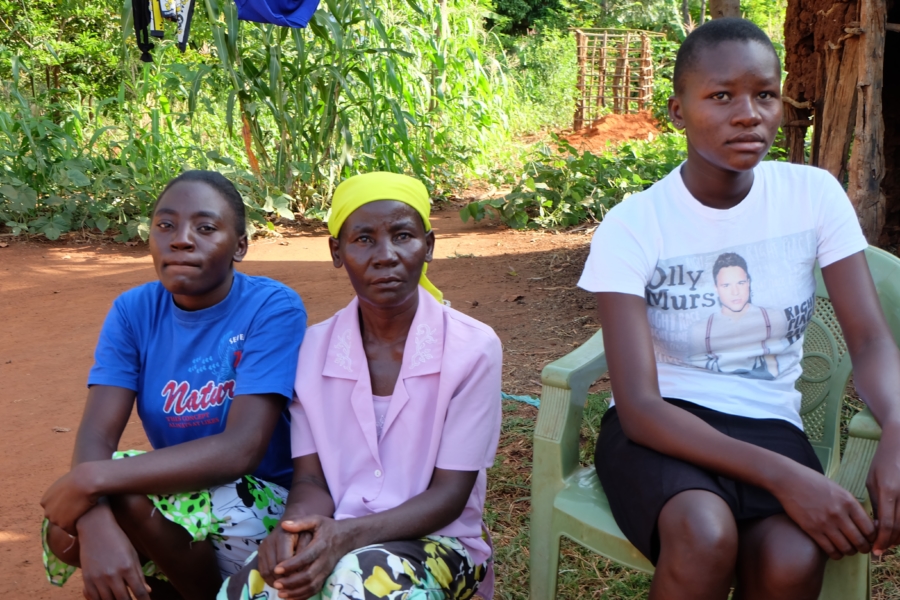
Our next stop is the house of Skeeter and Salome, two girls who are close in age but not sisters (Salome is Skeeter’s aunt). They live with Skeeter’s grandmother, who is Salome’s mother, and the two girls walk the 40 minutes to school together each day. Anne shows me evidence of other ways that Children Incorporated students benefit—their houses tend to have more necessities like mosquito nets and bedding. Because at school they’ve learned how to take care of themselves and their houses, they tend to bring that sense of order back home, keeping their houses neater and more organized than some of their neighbors’.
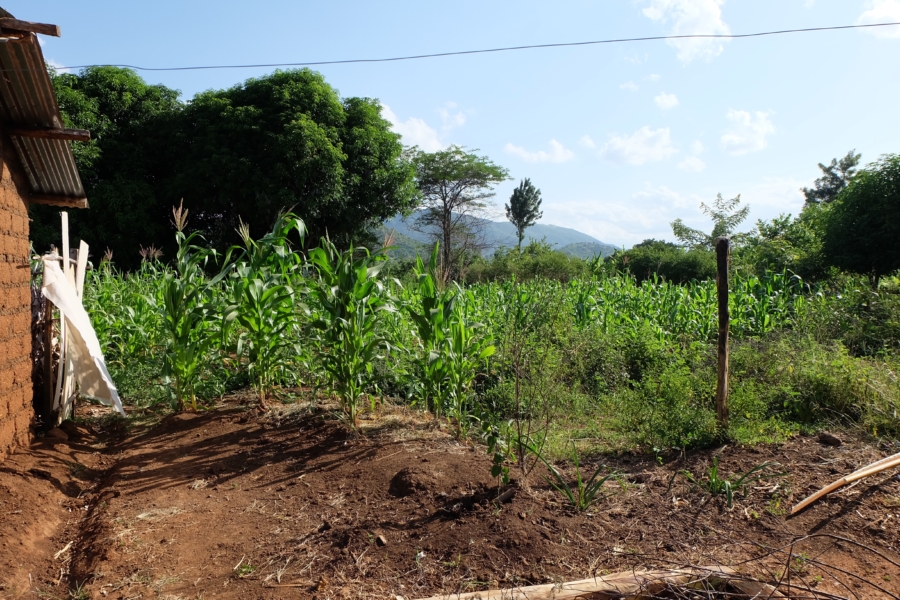
Before we finish our voyage, we walk down a narrow path through a cornfield to the home of a primary school student and her family. Her mother has a large goiter on her neck that’s giving her trouble with eating and talking, and the family doesn’t have enough money for even the simple surgery it would take to remove it.
In many ways, this trip has been more difficult for me because of the deteriorated circumstances of so many of these children. But as always, I’m struck by the kindness and hospitality of everyone we meet. While we struggle to make sense of what feels like a hopeless battle against poverty, the students, families, and staff at Materi School for Girls continue to keep their heads up and their minds active.
***
HOW DO I SPONSOR A CHILD IN KENYA?
You can sponsor a child in Kenya in one of three ways – call our office and speak with one of our sponsorship specialists at 1-800-538-5381, email us at sponsorship@children-inc.org, or go online to our donation portal, create an account, and search for a child in Kenya that is available for sponsorship.