Tag Archives: United States

Five Things That Stood Out While Visiting Bolivia
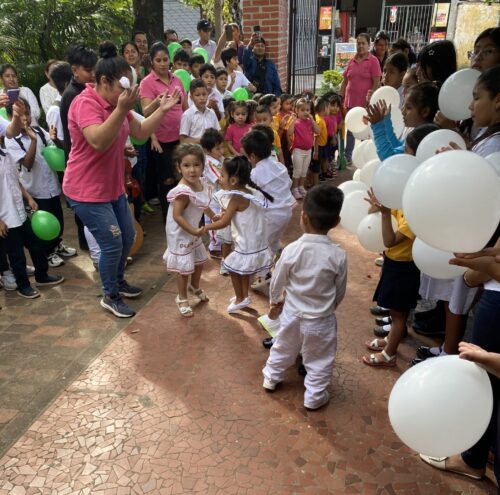
 

For more than 30 years, I have visited Children Incorporated programs around the world, and each trip teaches me something new. This year’s visit to Bolivia reminded me just how resilient children and families can be.

Every visit to our international programs reminds me why Children Incorporated’s work matters.

Recently, I traveled throughout Bolivia to visit our partner schools and child care centers, meet with our volunteer coordinators, and spend time with the children and families we serve. While every community is unique, several themes stood out everywhere I went.

Here are five observations I’ll carry with me from this trip.

1. Families Are Working Harder Than Ever, But Life Has Become More Expensive

Wherever we traveled, one conversation kept coming up: the cost of everyday life has risen dramatically. Food, transportation, clothing, and school supplies all cost more than they did just a few years ago, while many families’ incomes have remained the same. Parents are working hard, but many still struggle to keep up with rising expenses.
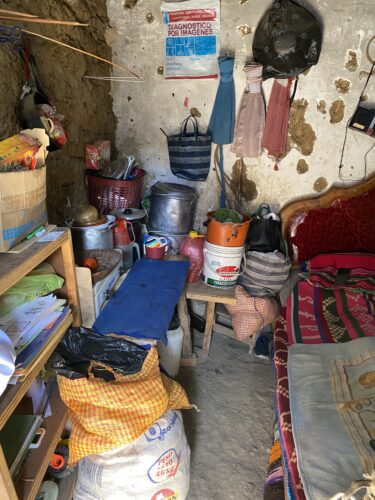
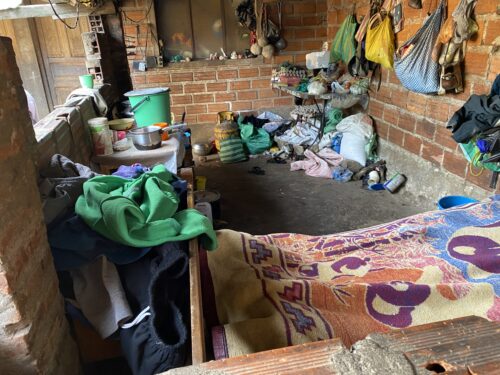
It is still a real world issue, in some locations children must leave school at young ages to assist their parents in bringing in income. That’s one reason sponsorship is so important. It helps ease financial pressure and allows families to keep their children in school despite difficult circumstances.

2. Education Is Still Every Parent’s Greatest Hope

Whether I was visiting a preschool in Santa Cruz or a secondary school near Sucre, I heard the same dream from parents. They want their children to receive an education. Many families make tremendous sacrifices so their children can attend school because they know education creates opportunities that poverty cannot.
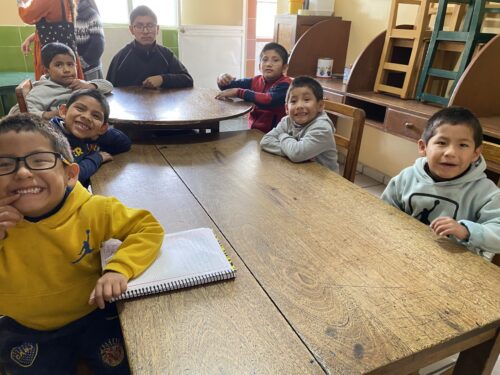
What impressed me most was seeing schools that not only provide traditional classroom learning but also vocational training in agriculture, computer science, robotics, garment making, and other practical skills that prepare students for future careers.

3. Sponsorship Does More Than Pay for School

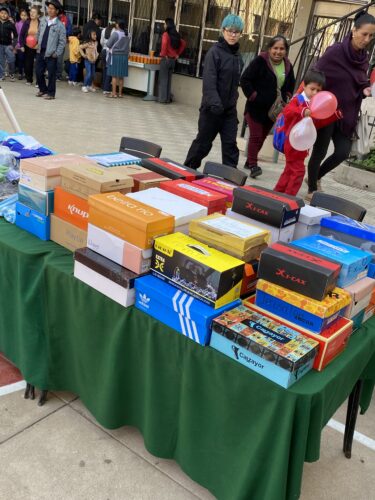
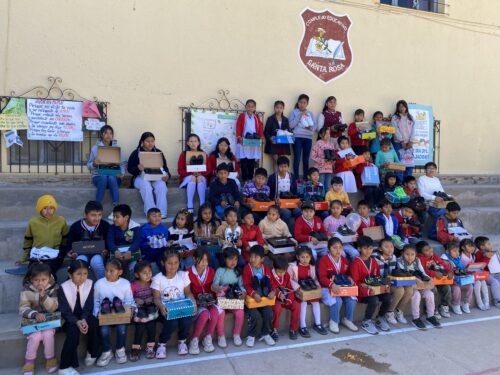
When people think about child sponsorship, they often imagine school supplies or tuition; those things are certainly important. But, throughout Bolivia I saw sponsorship helping children receive nutritious food, uniforms, shoes, clothing, tutoring, and other assistance that allows them to stay healthy and continue learning.

Sometimes it’s the little things that make the biggest difference.

A new pair of shoes. A bag of groceries. Even a new bed. These tangible items mean the difference between growth or giving up.
4. Our Local volunteer Coordinators Know Every Family

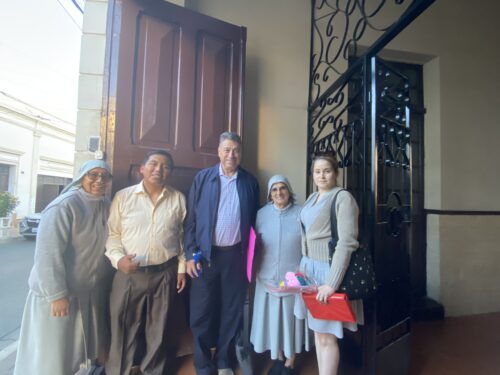
One of the greatest strengths of Children Incorporated is something many sponsors never get to see, our volunteer coordinators. They voluntarily administer our program, allowing more of every donation to reach the children.  Throughout Bolivia I met dedicated educators, sisters, and community leaders who know the children and families personally. They spoke of the children not as numbers, but by name, sharing stories of families navigating hardship, of small victories, of urgent needs. They know where help is most needed and how to stretch each sponsorship dollar so that it truly changes a child’s daily life.

Their compassion, knowledge, and commitment allows our program to serve children so effectively. Even when travel was disrupted by severe weather or political demonstrations, coordinators continued communicating and caring for the children in their communities.
5. Hope Is Everywhere

Despite the challenges families face, what I’ll remember most isn’t the hardship. It’s the hope.

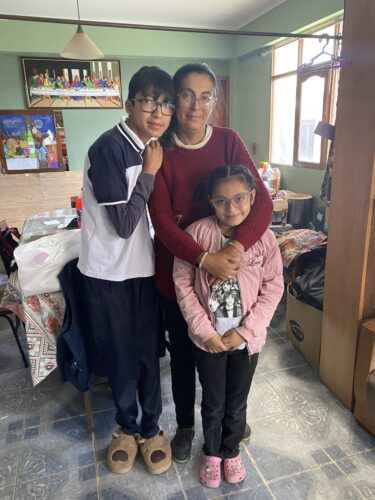
I saw children excited to learn, teachers committed to helping every student succeed, and parents determined to give their children opportunities they never had themselves.

I visited homes built years ago with Children Incorporated’s support that are still providing families with stability today. I met former sponsored children who have graduated from school, found employment, and built brighter futures for themselves. Those moments are powerful reminders that sponsorship creates lasting change.

Every trip reinforces something I have believed for many years: sponsorship is more than financial assistance, it is an investment in a child’s future.

Thank you to every sponsor who makes these visits possible and, more importantly, makes these stories possible. Because of your generosity, children across Bolivia have the opportunity to learn, grow, and look toward tomorrow with hope.
-Luis Bourdet

International Programs Director 

***

Join Us in Making a Difference

These stories reveal just a glimpse of your support’s impact. Will you help us write the next story?

You can sponsor a child in one of three ways:

SPONSOR A CHILD

The mountains of Eastern Kentucky are breathtaking. Rolling hills stretch for miles. Horses graze quietly in green pastures. The Red River Gorge draws visitors from across the country to hike towering cliffs and explore the beauty of Appalachia. But beyond the scenic overlooks and winding mountain roads, many families are quietly struggling just to get by.

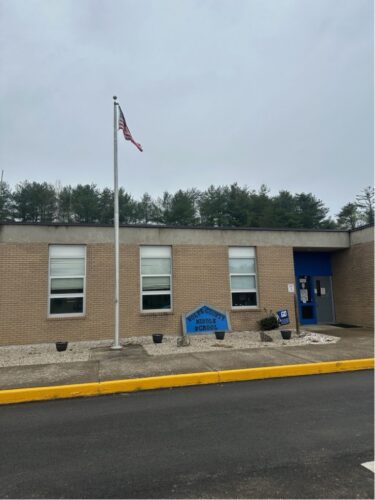
Recently, our Director of US Programs, and our Assistant Director visited Wolfe County, Kentucky — one of the poorest counties in both the state and the nation. In Wolfe County, poverty rates remain staggeringly high, often reaching more than double the national average. Many families live paycheck to paycheck. Others rely on grandparents raising grandchildren on fixed Social Security incomes. Parents work hard in low-paying jobs, seasonal work, farming, or service industries, yet still struggle to afford essentials like clothing, school supplies, hygiene products, or reliable transportation. We can see firsthand how sponsorship is helping children face these challenges with dignity and confidence.

Wolfe County: “Proud as Peacocks”

In Wolfe County, poverty rates remain stuck between 28–37%, more than double the national average. Once supported by coal and logging industries, the county now relies heavily on schools, healthcare, tourism, and low-wage service jobs.

At Wolfe County High School, coordinator Connie Burks described how sponsorship helps students feel confident during some of the hardest years of adolescence. She organizes shopping trips so students can choose clothes, shoes, hygiene items, and essentials many families cannot otherwise provide. “It’s so rewarding to see the students come to school ‘proud as peacocks with their new clothes,’” Connie shared.

For many students, these experiences are completely new. Some are being raised by grandparents. Others are helping support their families while trying to stay focused on school and their future. There’s Austin, a senior accepted into a technical institute to study diesel mechanics. There’s LaDella, who worked after school jobs to help her struggling family before deciding she wanted to pursue nursing. And there’s Ricky, who visits the resource center almost daily — sometimes for a pencil, sometimes for deodorant, and sometimes simply to say hello. At Wolfe County Middle School, coordinators spoke openly about how difficult middle school years can be for children living in poverty. “Most are desperate to fly under the radar, and to fit in with their peers,” the report explains.

New clothes and shoes do more than meet physical needs. They ease embarrassment, reduce bullying, and help children feel accepted during years when fitting in feels incredibly important.

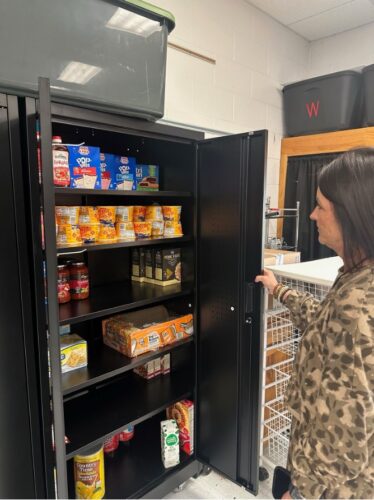
Food insecurity remains a constant concern throughout the county. While a local food pantry has helped, transportation barriers and long wait times often prevent families from accessing help consistently.

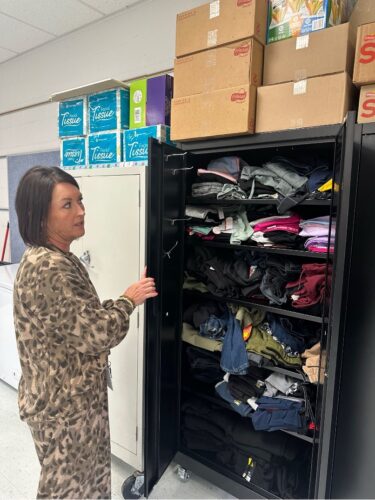
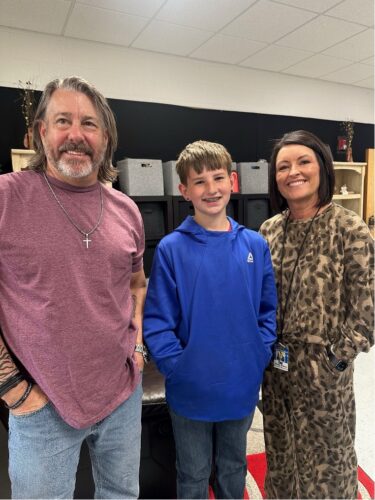
At Campton Elementary School, the Family Resource Center serves as a lifeline for struggling families. Coordinator Becky Dickey and assistant Tom Yeager maintain food supplies, hygiene items, and a clothing closet for students who may come to school without weather-appropriate clothes, properly fitting shoes, or clean outfits.

Sometimes the needs are urgent and immediate. During one visit, a student came into the resource center wearing shoes and pants that were far too small. She left excitedly carrying heart-covered leggings and sandals she had chosen herself. That moment captured the heart of sponsorship in Eastern Kentucky: meeting practical needs while also restoring dignity.

At Campton Elementary, 87% of students come from low-income families.

There’s seven-year-old Jacey, who loves horses, unicorns, and caring for chickens on her family’s small property. Her father works hard doing handyman jobs and small farming projects, but inconsistent income makes supporting six children incredibly difficult. “There are so many reasons they need a well-stocked closet,” Becky explained.

At nearby Rogers Elementary School, coordinators shared stories of grandparents raising grandchildren on small Social Security checks, families living in mobile homes, and children whose sponsorship support has become “a lifeline.”

Breathitt County: Poverty, Flood Recovery, and Resilience

In neighboring Breathitt County, many of the same struggles continue.

The county remains deeply affected by generational poverty and, more recently, by the devastating 2022 Eastern Kentucky floods. Even four years later, flood damage remains visible across the region — damaged homes, boarded windows, warped siding, and families still struggling to rebuild. At Breathitt County Junior/Senior High School, coordinator Kelli Gross described how poverty affects every part of students’ lives. “Some students are staying up all night to make sure a parent doesn’t overdose,” she explained. “Others are taking care of younger siblings late into the night.”

For some students, school simply cannot become the priority it should be because survival at home comes first. Many families rely on government assistance, low-paying retail jobs, school system employment, or nursing home work. Grandparents raising grandchildren is common here as well. Kelli shared that some middle and high school students had “never been inside a store before and didn’t know how to shop for themselves.” Through sponsorship shopping trips, students slowly gain confidence — not just in choosing clothes, but in themselves. At Jackson City School, sponsorship has become woven into the culture of the school itself.

Unlike many schools where students may feel embarrassed receiving support, coordinator Ashley Combs explained that students openly celebrate the program and talk proudly about their sponsors. Ashley described one student with an insulin pump who used to hide the tubing beneath long sleeves, even during warm weather, because he felt self-conscious about the adhesive patches on his skin. With consistent access to supplies and support, he eventually grew more confident. Recently, she saw him wearing short sleeves at school for the first time. “It felt like a small but meaningful victory,” she shared.

At Highland-Turner Elementary School, sponsorship helps children navigate the vulnerable years before transitioning into much larger schools. Coordinator Linda Oaks emphasized how meaningful sponsor relationships become for students. One student proudly shared that she named her black chicken “Smudgy” after her sponsor’s cat because she feels so connected to the family who writes to her.

Those relationships matter deeply.

Children Incorporated doesn’t simply provide clothing and supplies. It creates consistent, caring connections in places where many children desperately need stability and encouragement. At Breathitt Elementary School, coordinator Amanda Miller described how students “light up” when they hear something has arrived from their sponsor. For children being raised by grandparents or living in financially unstable homes, those moments mean more than sponsors may ever fully realize.

A Home Visit That Told the Whole Story

One of the most moving moments of the trip came during a home visit with grandparents Jack and Marilyn Fugate. Now in their late seventies and early eighties, the couple is raising four grandchildren after their daughter passed away from cancer in her thirties. Their only income comes primarily from Social Security.

Jack proudly showed staff the barn he built himself decades ago, once filled with horses he trained and showed throughout the Southeast. Dust-covered trophies still line the shelves inside. Then he walked visitors to the home he also built with his own hands. The couple spoke with deep gratitude for the support their grandchildren receive through Children Incorporated. “It was clear that the assistance makes a meaningful difference. It’s not just meeting basic needs, it’s easing some of the daily pressure they carry.”

That sentence could summarize the entire trip.

Sponsorship is a source of hope

Across every school visit, one message remained clear: sponsorship matters deeply.

It helps children arrive at school prepared to learn. It eases pressure on caregivers already stretched thin. It provides confidence, stability, and encouragement during difficult seasons of life. In places like Wolfe County, poverty is not simply about income. It affects education, transportation, nutrition, emotional well-being, and future opportunity.

But sponsorship creates a connection powerful enough to interrupt that cycle.

Through the support of compassionate sponsors, children in Eastern Kentucky are receiving more than clothes or school supplies. They are receiving reassurance that someone believes in them, cares about their future, and wants them to succeed. And for many children, that hope can make all the difference. What they found was not a lack of love or determination among families. Instead, they witnessed the ongoing realities of generational poverty, limited opportunities, food insecurity, and the daily challenges that children face simply trying to attend school ready to learn.

***

Join Us in Making a Difference

These stories reveal just a glimpse of your support’s impact. Will you help us write the next story?

You can sponsor a child in one of three ways:

SPONSOR A CHILD

written by Renee Kube

Renée oversees Children Incorporated’s work in the United States – from the rural southeast and southwest to our urban areas in New Orleans, Washington, D.C. and Richmond, Virginia. She works closely with our network of more than 100 volunteer coordinators at each affiliated site. For sixteen years, Renée managed our sites in the Appalachian Region before taking her current role in 2010.

» more of Renee's stories